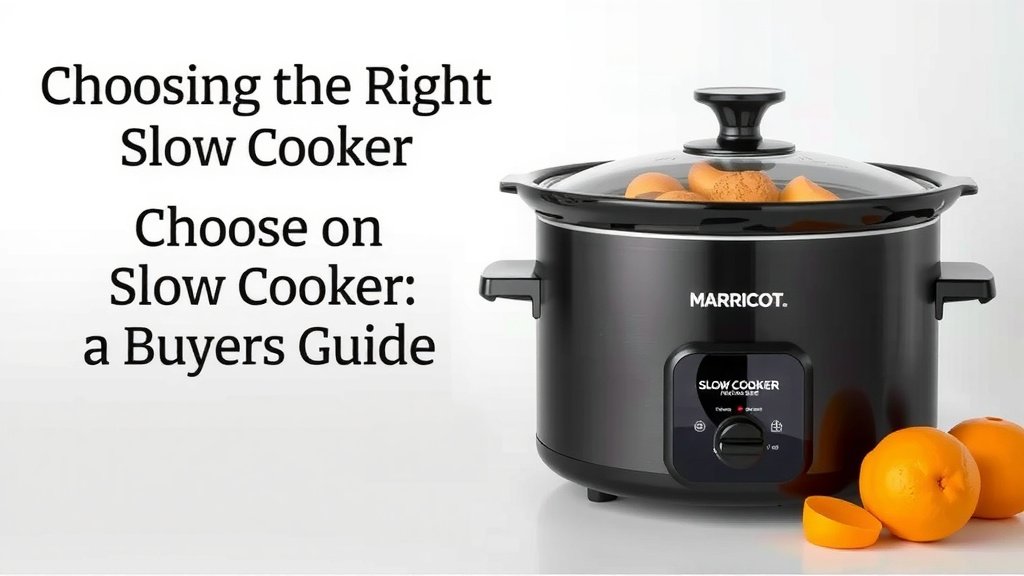
Choosing the Right Slow Cooker: A Buyer’s Guide
Choosing the right slow cooker depends on your household size and cooking habits. For singles or couples, a 2-3 quart model is often ideal. Families might prefer a 5-7 quart cooker to handle larger meals. Consider digital controls for more precise cooking times.
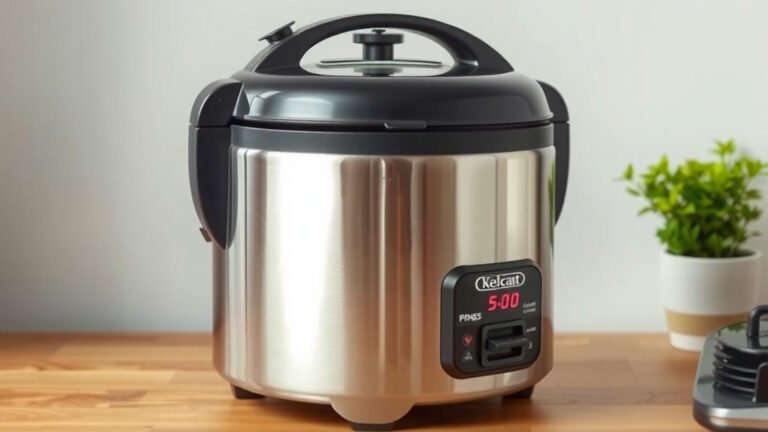
Beyond size, look for features like programmable settings and easy-to-clean inserts. A good slow cooker can be a kitchen workhorse, simplifying meal prep for busy weeks. We found that models with locking lids are great for potlucks or travel.
- Consider your typical meal size.
- Think about how many people you cook for regularly.
- Look for easy-to-clean materials.
- Digital vs. manual controls offer different conveniences.
- Locking lids are handy for transport.
Let’s walk through exactly what to look for when picking out your perfect slow cooker, so you can start making delicious meals with ease.
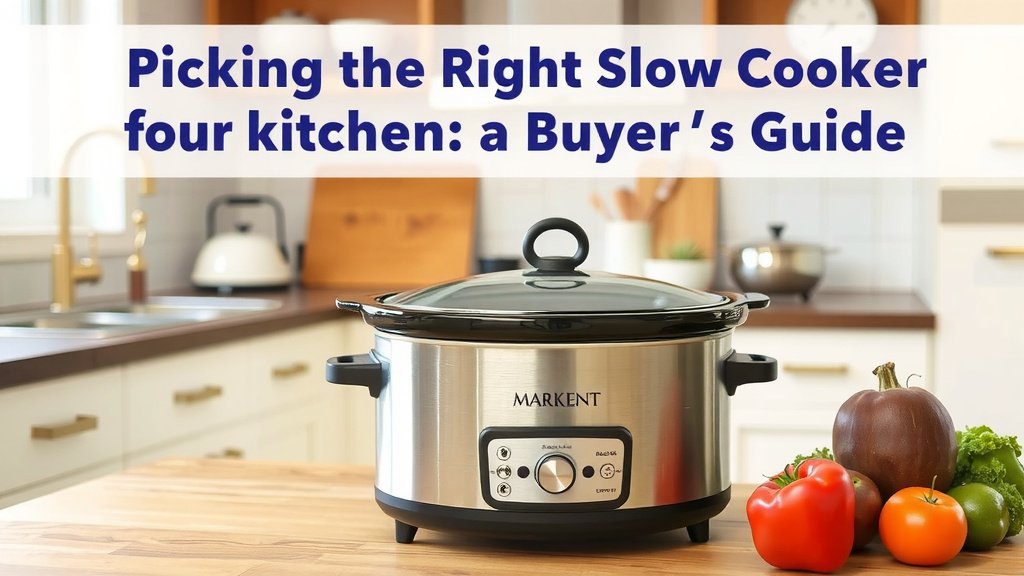
Picking the Right Slow Cooker for Your Kitchen
Choosing a slow cooker can seem simple, but a little thought upfront makes a big difference. You want a cooker that fits your life and your recipes. We’ve looked at many models, and a few key factors consistently come up. Getting this right means fewer kitchen frustrations and more delicious meals.
Size Matters: How Big Should Your Slow Cooker Be?
The first thing to consider is how much food you typically prepare. This directly relates to the size of your household and your cooking habits. Are you cooking for one, two, or a crowd?
For Singles and Couples
If you’re usually just cooking for yourself or one other person, a smaller slow cooker is probably your best bet. We found that a 2-quart to 3-quart model is often perfect. These smaller cookers are great for making a single portion of chili or a small roast. They heat up faster and use less energy, too. Plus, they take up less counter space, which is a bonus for smaller kitchens.
For Small Families and Entertaining
For households of 3-5 people, a medium-sized cooker works well. A 4-quart to 6-quart slow cooker can handle family dinners and even some small gatherings. You can easily fit a whole chicken or a good-sized batch of stew in these. Many popular recipes are designed for this size. It’s a versatile choice for many different types of meals.
For Larger Families and Big Batches
If you have a larger family (6+ people) or love to cook big meals for potlucks and parties, you’ll want a bigger cooker. We recommend looking at models that are 7 quarts or larger. These workhorses can handle a turkey breast, multiple pork shoulders, or enough soup to feed an army. Think about your holiday cooking needs here.
Understanding Quart Sizes: A Quick Guide
Quart size is the standard measurement for slow cookers. Here’s a general idea of what each size is best for:
| Quart Size | Ideal For | Example Meals |
|---|---|---|
| 1.5-2 Quarts | 1-2 people; dips, small batches | Spinach artichoke dip, small pot of chili |
| 3-4 Quarts | 2-3 people; small roasts, casseroles | Pot roast for two, large batch of soup |
| 5-6 Quarts | 4-6 people; whole chickens, stews | Pulled pork, hearty beef stew |
| 7+ Quarts | 6+ people; large roasts, party dishes | Whole turkey breast, large lasagna |
Controls: Simple Dials vs. Digital Displays
Once you’ve figured out the size, let’s talk about how you’ll operate the cooker. You have two main options here: manual dials and digital controls.
Manual Dials: Classic and Simple
Many older and some newer models feature simple turn-dial controls. These usually offer basic settings like LOW, HIGH, and WARM. They are straightforward and easy to use. If you like to set it and forget it, these work well. You just need to remember to set a timer yourself or check on your food periodically. We found these to be very reliable.
Digital Controls: Precision and Programmability
Digital displays offer more advanced features. You can often set a specific cooking time and temperature. Some even have presets for different types of food, like poultry or beans. This programmable feature is fantastic. It means your food won’t overcook if you’re delayed. Many experts say this precision can lead to better results. You’ll also find it easier to follow recipes that call for exact cooking times.
Material Matters: Pots and Lids
The materials used in your slow cooker’s insert pot and lid can affect cooking performance and cleanup. Most slow cooker inserts are made of ceramic or stoneware. Lids are typically glass.
The Insert Pot: Ceramic vs. Stoneware
Both ceramic and stoneware inserts heat evenly and retain heat well. They are generally durable. The main difference you might notice is how they handle temperature changes. Some stoneware can be more prone to cracking if subjected to rapid temperature shifts, like moving from a very hot oven directly to a cold countertop. We found that most everyday use is fine for either, but treating them with care is wise.
Glass Lids: See What’s Cooking
Glass lids are standard for a reason. They allow you to peek at your food without lifting the lid and losing precious heat. Lifting the lid lets heat escape, which can significantly increase cooking time. A tight-fitting glass lid is essential for efficient cooking. Some lids are heavier than others; a heavier lid creates a better seal.
Locking Lids: For Transport and Travel
If you plan on taking your slow cooker to potlucks, tailgates, or camping, a locking lid is a game-changer. These lids have clamps or straps that secure them tightly to the base. This prevents spills during transport. Many research studies on kitchen gadgets show that portability is a major plus for busy individuals and families. It means less mess and less stress when you’re on the go.
Ease of Cleaning: A Kitchen Essential
Let’s be honest, nobody enjoys scrubbing dishes. Look for slow cookers where the insert pot is dishwasher-safe. This feature alone can save you a lot of time and effort. Some inserts are also non-stick, which makes wiping them clean by hand a breeze. We found that removable pots make cleanup much simpler. Avoid models where the heating element is built into the pot itself, as these are much harder to clean.
Extra Features to Consider
Beyond the basics, some slow cookers offer extra features that might appeal to you.
Warming Settings
Most slow cookers have a WARM setting. This keeps food at a safe serving temperature without continuing to cook it. It’s perfect for parties or when your dinner timing is a little flexible. Many health organizations recommend keeping cooked food at a safe temperature.
Keep Warm Function
Some newer digital models have an automatic ‘Keep Warm’ function. It kicks in after the cooking cycle is complete. This is incredibly convenient if you tend to run on a slightly unpredictable schedule. It takes the guesswork out of timing your meal perfectly.
Specialty Cookers
You can also find specialized slow cookers. Some are designed for specific tasks, like making yogurt or steaming foods. Others are stovetop-safe, meaning you can sear ingredients in the insert on your stovetop before slow cooking. Think about if these specialized functions are something you’ll actually use.
Your Slow Cooker Checklist
Here’s a quick rundown to help you make your final decision:
- Determine the best size for your typical meal prep.
- Decide between manual or digital controls based on your preference for simplicity or precision.
- Look for a tight-fitting lid, preferably glass, to retain heat.
- Consider a locking lid if you transport food often.
- Prioritize an easy-to-clean insert, ideally dishwasher-safe and removable.
- Think about any extra features that would genuinely simplify your cooking routine.
Conclusion
You’re now ready to choose a slow cooker that perfectly fits your needs. Remember to consider your household size for the right quart capacity. Decide if simple manual dials or precise digital controls work best for you. Look for that essential easy-to-clean insert and a lid that fits snugly. By keeping these factors in mind, you’ll find a kitchen companion that simplifies meal prep for years to come. Your next delicious, fuss-free meal is just a shopping trip away!
Frequently Asked Questions
Are smaller slow cookers less effective than larger ones?
No, smaller slow cookers are just as effective for their intended purpose. We found that they heat up more quickly and efficiently for smaller batches. They are ideal for singles or couples who don’t need to cook large volumes of food.
What does “programmable” mean on a slow cooker?
A programmable slow cooker allows you to set a specific cooking time and sometimes temperature. Once the set time is up, many models automatically switch to a ‘Keep Warm’ setting. This offers more control and prevents overcooking if your schedule changes.
Is a locking lid really necessary?
A locking lid is a fantastic feature if you plan to transport your slow cooker. It secures the lid tightly, preventing spills during travel to potlucks or events. If your slow cooker stays on the counter, it’s less of a priority.
Can I put my slow cooker insert directly into the dishwasher?
Most modern slow cooker inserts are designed to be dishwasher-safe, which is a huge convenience. Always check the manufacturer’s instructions for your specific model to be sure. This makes cleanup much easier after cooking.
Should I worry about ceramic vs. stoneware inserts?
For most home cooks, the difference between ceramic and stoneware inserts is minimal. Both heat evenly and retain warmth well. Just be mindful of rapid temperature changes with stoneware to avoid potential cracking, though this is rare with normal use.