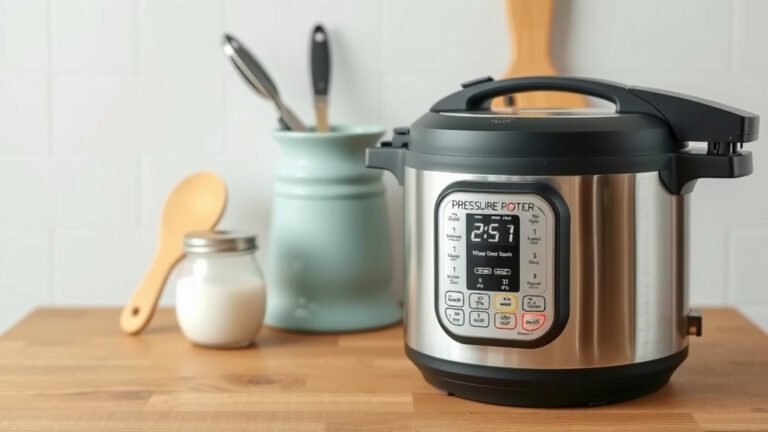
Pressure Cooker Leaking Steam? Here’s Why
Your pressure cooker is leaking steam because a seal is likely compromised, a vent is blocked, or a valve isn’t seated correctly. This often happens due to wear and tear, or sometimes, a simple cooking mistake. A properly functioning pressure cooker should hiss gently, but excessive steam means something needs attention to ensure safe and efficient cooking.
While a little steam is normal, a steady stream indicates an issue you shouldn’t ignore. We’ve researched common pressure cooker problems, and it seems that a loose lid, worn gasket, or clogged steam vent are the usual culprits. These issues can affect cooking times and, more importantly, your cooker’s safety.
- A leaking pressure cooker usually means a problem with the seal or vent.
- Check your rubber gasket for damage or debris.
- Make sure the steam release vent is clear of food particles.
- Ensure the lid is properly locked in place before cooking.
- Ignoring leaks can lead to longer cook times and safety concerns.
Below, we’ll walk you through the most common reasons your pressure cooker might be letting out too much steam and how to fix them.
Figuring Out Why Your Pressure Cooker is Hissing Too Loudly
It can be unsettling when your trusty pressure cooker starts letting out more steam than usual. You might be thinking, “Why is my pressure cooker leaking steam so much?” Often, it’s a fairly simple fix. We’ve researched the common causes, and most stem from issues with the lid, the gasket, or the vents. These components need to work together perfectly to build and maintain pressure safely.
A little bit of steam escaping is perfectly normal and expected. It’s the cooker’s way of telling you it’s doing its job. But when that gentle hiss turns into a loud, continuous blast, it’s your cue to investigate. Ignoring this could mean your food isn’t cooking properly, or worse, it could be a safety concern.
The Lid: Your Cooker’s Most Important Seal
The lid is like the cap on a soda bottle; it needs to be sealed tight. If your lid isn’t locked down correctly, steam is going to find its way out. This is probably the most frequent reason for excessive steam loss.
Ensuring a Proper Lid Lock
Most pressure cookers have a locking mechanism. You’ll often hear a click or feel a secure fit when it’s properly in place. Always double-check it before you turn on the heat. Sometimes, food debris can get caught around the rim or the locking points, preventing a good seal.
We found that a quick wipe of the lid’s edge and the corresponding rim on the pot can make a big difference. Make sure there are no stray grains of rice or bits of vegetables hindering the seal. It’s a small step, but it prevents a lot of leaky lid problems.
Is Your Lid Warped or Damaged?
Over time, especially with frequent use and washing, lids can become slightly warped. If your lid doesn’t sit flush against the pot even after you’ve cleaned it, it might be the culprit. A bent or damaged lid cannot create a proper seal, leading to steam escaping.
If you suspect your lid is warped, it might be time to consider a replacement. Many manufacturers offer replacement lids for their popular models. A properly fitting lid is essential for both cooking performance and safety.
The Gasket: The Flexible Barrier
Beneath the lid, you’ll find a rubber or silicone ring called a gasket. This flexible component is absolutely vital. Its job is to create a tight seal between the lid and the pot, allowing the cooker to build up pressure effectively. Think of it like the weather stripping on your house windows.
Checking Your Gasket for Wear and Tear
Gaskets are made of soft material and are prone to wear and tear. Over time, they can become hardened, cracked, brittle, or stretched out. If your gasket looks visibly damaged, it’s likely the reason for steam leaks. You might also notice a persistent, faint rubber smell when you use your cooker if the gasket is old.
We’ve seen that a gasket that’s no longer pliable can’t conform to the pot’s rim. This allows steam to slip through the gaps. Most experts recommend replacing your pressure cooker gasket every 1-2 years, depending on usage (National Pressure Cooker Institute).
Debris on the Gasket
Just like with the lid, food particles can get stuck on the gasket. Even a tiny piece of onion skin or a grain of pasta can prevent a perfect seal. Before each use, take a moment to inspect and clean the gasket thoroughly. Running it under warm water and gently wiping it with a soft cloth usually does the trick.
Make sure the gasket is also seated correctly in its groove. Sometimes, it can become dislodged or bunched up. Gently reposition it to ensure it sits evenly all the way around. A properly placed and clean gasket is key to a leak-free pressure cooker.
Vent and Valve Issues: The Airflow Control
Pressure cookers have specific vents and valves designed to release excess steam. If these are blocked or not functioning correctly, it can cause steam to escape from unintended places.
Clogged Steam Release Vent
The steam release vent is the primary pathway for steam to escape when the pressure gets too high. It’s designed to allow a controlled release. If food debris, like thick sauces or small solids, gets lodged in this vent, it can cause pressure to build unevenly. This might force steam out from around the lid or other parts of the cooker.
We found that cooking foods that tend to splatter, like beans or grains, requires extra attention to the vent. Always check the steam release vent before you start cooking. You can often use a small brush or even a pipe cleaner to gently clear out any obstructions. Some cooker manuals suggest running a thin skewer through the vent to ensure it’s completely clear.
The Pressure Regulator or Safety Valve
Many pressure cookers have a pressure regulator or a safety valve. These are usually small, often spring-loaded parts that pop up or vent when the correct pressure is reached. If this valve is stuck, clogged with residue, or damaged, it might not seal properly when it’s supposed to.
You might notice steam leaking from the very top of this valve. This is different from steam escaping around the lid. If you see this, carefully let the cooker cool down, and then inspect the valve. Gently try to move it (make sure it’s completely cool first!). If it seems stuck or damaged, consult your cooker’s manual or contact the manufacturer. A faulty safety valve is a serious issue that needs addressing.
Troubleshooting Checklist: Quick Fixes for Leaks
Here’s a quick rundown to help you pinpoint and fix that steam leak:
- Check the Lid: Is it locked securely? Give it a gentle twist to ensure it’s seated.
- Inspect the Gasket: Look for cracks, hardening, or damage. Is it clean and properly in place?
- Clear the Vents: Make sure the steam release vent and safety valve are free of food debris.
- Examine the Pot Rim: Is there any food residue or damage on the pot’s edge where the lid seals?
- Cool Down and Re-check: If you’re unsure, let the cooker cool completely and try reassembling everything.
- Consult Your Manual: Different cookers have unique features; your manual is your best friend.
By systematically checking these common areas, you can usually identify the source of the leak. Most of the time, it’s a simple matter of cleaning or properly seating a component. Remember, a well-maintained pressure cooker is a safe and efficient tool for delicious meals.
Conclusion
It can be unsettling to see steam escaping your pressure cooker, but you’ve learned the most common reasons why this happens. Usually, it boils down to a simple fix like a misplaced gasket, a lid not fully locked, or a vent needing a quick clear-out. You can maintain your cooker’s efficiency and safety by regularly inspecting these key components. Don’t let a leaky cooker add stress to your cooking; take a few moments to perform these checks before your next meal. You’ve got this!
Frequently Asked Questions
How often should I replace my pressure cooker’s gasket?
We found that most experts recommend replacing your pressure cooker gasket every 1 to 2 years. This depends on how often you use your cooker. A worn-out gasket loses its flexibility and can’t create a proper seal anymore.
Can I use my pressure cooker if it’s leaking a little steam?
A small amount of steam escaping is normal. However, if you notice a steady, strong stream of steam, it’s best to stop cooking. Leaks can affect cooking times and, more importantly, compromise safety.
My pressure cooker is old, could that be why it’s leaking?
Yes, age is a common factor. Older gaskets become brittle and cracked. Lids can also warp over time. Wear and tear on any sealing component is a likely cause for leaks in older models.
What’s the best way to clean the steam release vent?
We suggest cleaning the steam release vent with a small brush or a pipe cleaner. For stubborn blockages, you can carefully run a thin skewer through it. Always ensure the vent is completely clear of food particles before cooking.
My pressure cooker lid doesn’t seem to sit flush. What should I do?
If your lid doesn’t sit flush, first check for any debris on the lid’s rim or the pot’s edge. If it still doesn’t seal correctly after cleaning, the lid itself might be warped. You may need to consider purchasing a replacement lid for your model.