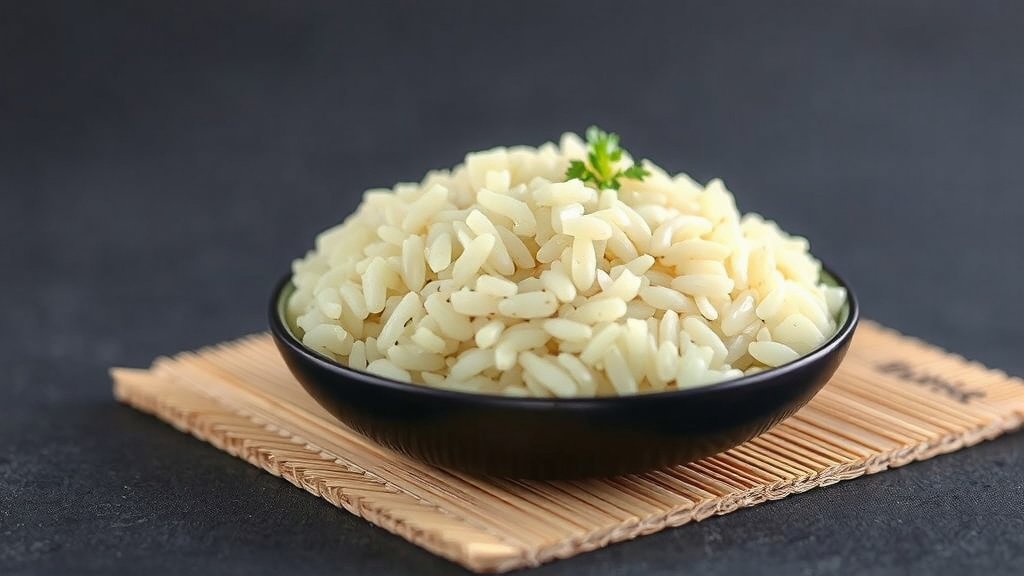
Why Rice Needs Resting Time for Perfect Texture
Rice needs resting time because it lets steam redistribute evenly through every grain after cooking. When you skip this step, the top layers turn dry while the bottom turns mushy. A short 10-minute rest gives you fluffy, separate grains instead of a sticky mess.
We found that this simple wait also helps the rice finish cooking gently as trapped heat keeps working. Many experts say resting makes the grains firm up and hold their shape, which matters whether you’re making fried rice or serving it with gravy. So why do so many of us lift that lid too soon? We get it — the smell is irresistible.
- Resting spreads moisture evenly so no grain is soggy or dry.
- Ten minutes off the heat is usually all you need.
- Keep the lid on while resting to trap the steam.
- Skipping the rest often leads to gummy or clumpy rice.
- Different rice types need slightly different rest times.
Below, we break down exactly how resting time works, how long to wait for each type of rice, and a few tricks to get it right every single time.
What Happens During Rice Resting Time
When you pull rice off the heat, cooking doesn’t stop right away. Trapped steam keeps moving through the pot, and that’s exactly what you want. We found that this quiet window is when the real magic happens.
During cooking, the bottom of the pot sits in more moisture than the top. Resting gives that water a chance to spread evenly. Think of it like letting a fresh pizza cool so the cheese sets — patience pays off.
The Science of Steam Redistribution
Each rice grain holds water inside a starchy shell. Right after cooking, some grains are waterlogged while others are still firm. Steam migration evens things out.
Food scientists explain that as the pot cools slightly, excess moisture in the bottom layers turns to vapor and drifts upward (NCBI). The drier grains on top soak up that vapor. In about ten minutes, every grain reaches a similar moisture level.
Skip this step, and you serve a pot with two personalities. One spoonful is fluffy, the next is glue. Nobody wants that surprise at dinner.
Why the Lid Must Stay On
You might be tempted to peek. Resist! Every time you lift the lid, steam escapes and takes moisture with it.
Keep the lid closed and the pot keeps working like a tiny sauna. Many cooking instructors say a sealed pot is the single biggest factor in even rice. If your lid lacks a tight fit, lay a clean kitchen towel over the pot before covering it — just keep the cloth away from the burner.
How Starches Firm Up as Rice Cools
Here’s a fun bit of kitchen chemistry. As rice rests, its starches set and firm up. Chemists call this process starch retrogradation, and it’s why day-old rice works better for fried rice (USDA food science resources describe this process in grains).
A short rest gives grains enough structure to hold their shape. Too much rest, though, and they start turning hard. The sweet spot is short and warm.
Resting Times for Different Rice Types
Not all rice rests the same way. We put together a quick guide so you don’t have to guess.
| Rice Type | Rest Time | Why It Matters |
|---|---|---|
| Long-grain white (jasmine, basmati) | 5–10 minutes | Keeps grains loose and separate |
| Medium-grain white | 10 minutes | Balances moisture without gumminess |
| Brown rice | 10–15 minutes | Thicker bran layer needs more time |
| Sushi rice | 10 minutes, then cool | Firms grains for clean cuts |
| Parboiled/instant rice | 3–5 minutes | Already processed to stay firm |
Brown rice takes longer because its outer bran layer slows water absorption. Give it a little extra patience and it rewards you with chewy, nutty grains.
Common Mistakes That Ruin Rested Rice
Even with good intentions, small slip-ups can undo your patience. Here are the big ones we see most often.
- Lifting the lid too early and letting steam escape.
- Resting the pot on a hot burner, which keeps the bottom cooking and scorching.
- Skipping the rest entirely and serving rice straight from a boil.
- Fluffing with a stirring motion instead of a gentle folding one.
- Letting rice sit out too long, which raises food safety concerns.
That last point matters. Health guidance from the FDA warns that cooked rice should not sit at room temperature for more than about one to two hours, because Bacillus cereus spores can survive cooking and multiply. So rest briefly, then serve or refrigerate.
Fluffing the Right Way
Once the rest is done, grab a fork or rice paddle. Gently lift the rice from the bottom and turn it over, like folding cake batter.
Stirring in circles mashes grains together and releases starch. A light fluff separates them while keeping each one whole. It takes thirty seconds and makes a visible difference.
Does Resting Change Taste and Texture?
Yes, and noticeably so. Rested rice tastes more balanced because salt, broth, and seasonings settle evenly through the pot instead of pooling at the bottom.
Texture improves too. Grains bounce slightly when you bite them instead of collapsing. Many chefs say the difference between rested and unrested rice is the difference between a side dish and a sad afterthought. Harsh? Maybe. Accurate? We think so.
Quick Checklist for Perfectly Rested Rice
Before your next pot, run through this simple list:
- Turn off the heat completely before resting.
- Keep the lid on tight for the full rest time.
- Set a timer so you don’t forget and over-rest.
- Move the pot off any warm burner or hotplate.
- Fluff gently with a fork after resting.
- Serve right away or refrigerate within two hours.
When You Can Skip the Rest
There are a few exceptions, and honesty matters here. If you’re making rice pudding or a creamy porridge like congee, you want that soft, sticky texture. Resting rules relax.
The same goes for certain risottos, where stirring and creaminess are the goal. But for steamed, pilaf-style, or fried rice? Rest is non-negotiable. Your grains will thank you — in their own quiet, fluffy way.
Conclusion
That short wait after cooking is the cheapest upgrade your rice will ever get. We found that a simple 10-minute rest lets steam even out moisture, firms up the grains, and balances flavor from top to bottom. Keep the lid on, move the pot off the heat, and fluff gently with a fork when the timer goes off. Brown rice wants a few extra minutes, while parboiled rice needs barely any. Skip the rest and you risk gummy, uneven rice that no amount of seasoning can save. So here’s your next step: tonight, set a timer before you cook, and give your pot the patience it deserves. Your fork will notice the difference on the very first bite. If you cook with an appliance instead, our guide to rice cooker cooking times covers the crucial resting step there too.
Frequently Asked Questions
Can I rest rice in a rice cooker?
Yes, and it works well. Most rice cookers switch to a “keep warm” mode automatically, which is gentle enough for resting. Just leave the lid closed for about 10 minutes before fluffing, and don’t let it sit on warm for hours.
Should I rinse rice before cooking if I plan to rest it?
Rinsing and resting do different jobs. Rinsing removes loose surface starch, which helps prevent clumping, while resting evens out moisture inside the grains. We recommend doing both for fluffy results, especially with white rice.
Does resting rice make it safer to eat?
No, resting is about texture, not safety. In fact, cooked rice should never sit at room temperature for long stretches. Serve it soon after resting, and refrigerate any leftovers within about two hours.
Can I rest rice too long?
You can. Beyond 20 or 30 minutes, the pot cools down and starches start to stiffen, giving the rice a firm, day-old texture. Stick to the recommended window, and reheat gently if the rice has cooled too much.
Should I add butter or salt before or after resting?
Either works, but after resting gives you more control. Stirring in butter or seasoning during the fluff lets you taste first and adjust. The resting period also helps pre-added salt distribute evenly through the pot on its own.