Master Your Slow Cooker Settings for Perfect Meals
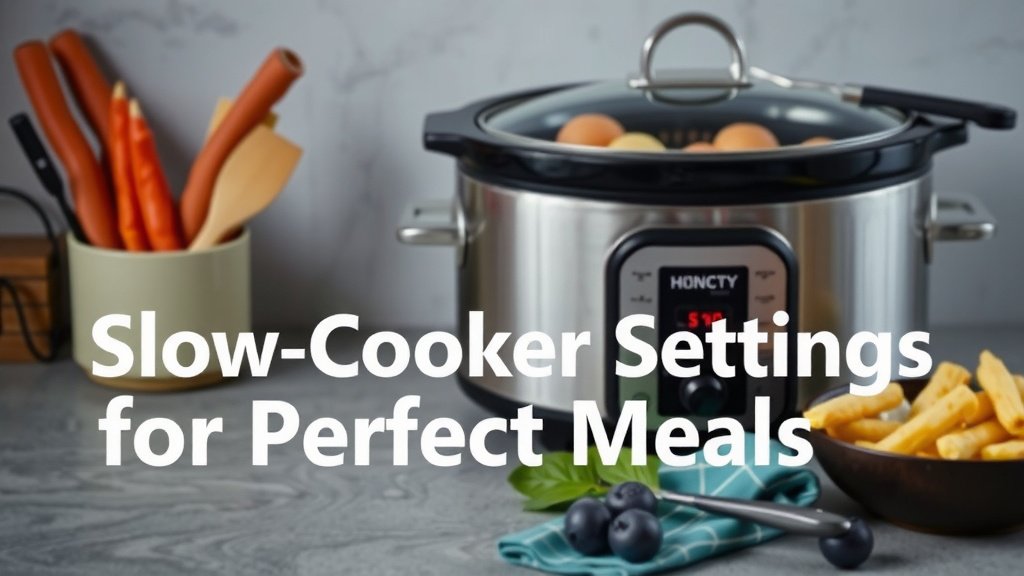
Understanding your slow cooker’s settings makes meal prep a breeze. The main settings, usually LOW and HIGH, cook food at different temperatures and times. LOW cooks food slowly for longer periods, perfect for tenderizing tougher cuts. HIGH cooks food faster, typically in about half the time of LOW. Most recipes can be adapted for either setting with a little adjustment.
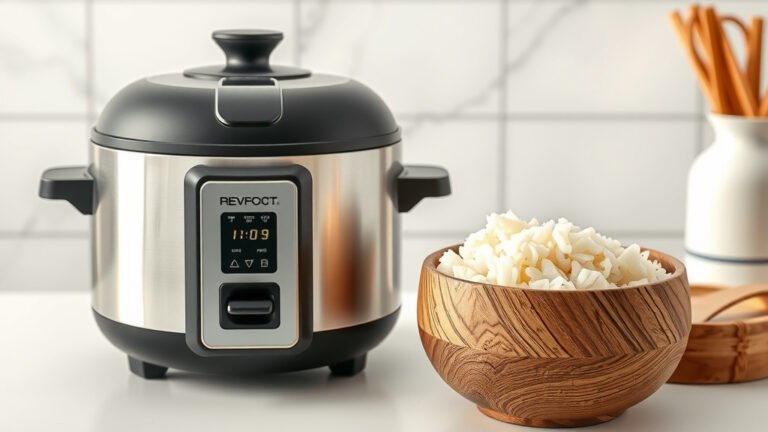
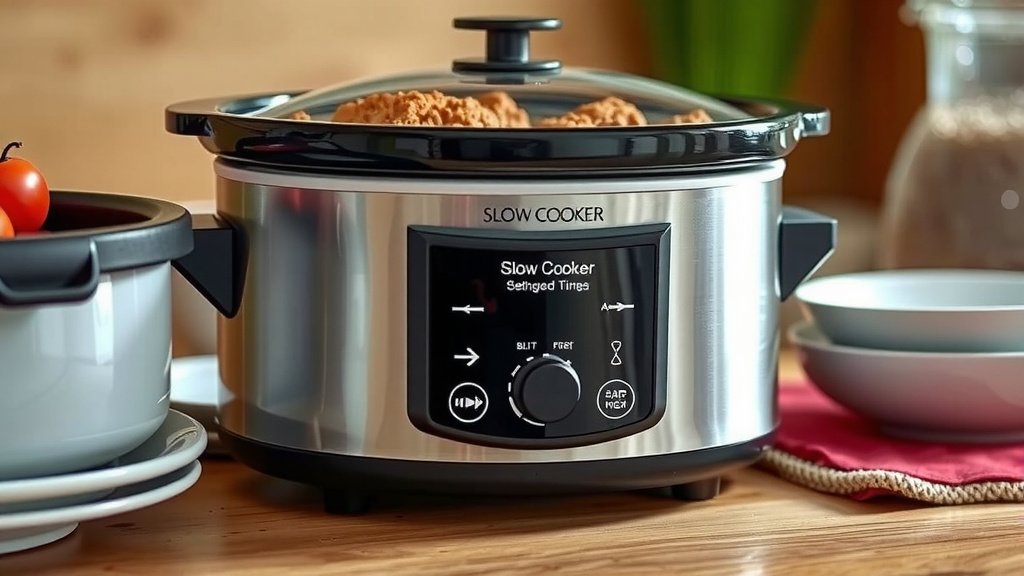
Beyond the basic LOW and HIGH, you might see settings like WARM or a timer function. The WARM setting is designed to keep food at a safe serving temperature after cooking is complete, without overcooking it. Many modern slow cookers also come with programmable timers, offering even more convenience for busy schedules.
- LOW cooks slowly, ideal for tenderizing meats.
- HIGH cooks faster, cutting down cook time significantly.
- WARM keeps food at a safe serving temperature.
- Timers offer programmable cooking convenience.
Let’s break down what each of these slow cooker settings really means for your cooking and how to use them to your advantage.
Understanding Your Slow Cooker’s Cooking Modes
Figuring out what your slow cooker’s settings do can feel like a puzzle. But once you know, you’ll unlock a world of easy cooking. We’re here to help you decipher those buttons and knobs.
Decoding the LOW and HIGH Settings
The two most common settings are LOW and HIGH. They aren’t about “better” or “worse” cooking. They are about cooking time and temperature.
The Gentle Approach: LOW Setting
Think of the LOW setting as a slow, steady simmer. It cooks food at a lower temperature, usually around 200°F (93°C). This setting is perfect for recipes that need a long cooking time. It tenderizes tougher cuts of meat beautifully. You’ll often find recipes calling for 8-10 hours on LOW. This allows flavors to develop deeply. If a recipe says “cook on LOW for 8 hours,” and you’re in a rush, you might be able to adapt it. But more on that later!
The Quicker Pace: HIGH Setting
The HIGH setting cooks at a higher temperature, typically around 300°F (149°C). It gets the job done much faster. A recipe that takes 8-10 hours on LOW might only need 3-5 hours on HIGH. It’s a great option when you’re short on time. However, it’s important to note that HIGH isn’t always the best choice for every dish. Delicate ingredients can sometimes overcook. Also, some recipes might not develop the same depth of flavor on HIGH as they would on LOW. If you’re adapting a recipe, you’ll want to make sure your ingredients can handle the faster cooking.
LOW vs. HIGH: When to Choose Which
So, how do you decide? Here’s a simple rule of thumb we found helpful. For recipes where you want very tender, fall-apart meat, like pulled pork or pot roast, LOW is your best friend. If you’re making something quicker, like a hearty soup or chili, and you started later in the day, HIGH is a good choice. Many experts suggest that the HIGH setting often cooks food in about half the time of the LOW setting. However, always check your specific slow cooker’s manual for temperature guidelines. Some models can vary.
| Setting | Approximate Temperature | Typical Cook Time (Compared to LOW) | Best For |
|---|---|---|---|
| LOW | ~200°F (93°C) | Longer (e.g., 8-10 hours) | Tenderizing meats, developing deep flavors |
| HIGH | ~300°F (149°C) | Shorter (e.g., 3-5 hours) | Quicker meals, soups, chili |
| WARM | ~145-165°F (63-74°C) | Keeps food hot after cooking | Serving temperature, buffer time |
The Purpose of the WARM Setting
Have you ever finished cooking but your guests are running late? That’s where the WARM setting shines. It’s not for cooking food. It’s for keeping cooked food at a safe temperature. According to the USDA, food should be kept above 140°F (60°C) to prevent bacteria growth. The WARM setting does just that, typically holding food between 145-165°F (63-74°C). This prevents your delicious meal from becoming a food safety risk. It’s also great if you want to serve dinner a little later than planned.
When NOT to Use WARM
It’s tempting to use WARM for longer cooking times when you’re unsure. But we found that’s a mistake. The WARM setting is too low to cook raw food safely. You must ensure your food is fully cooked on LOW or HIGH before switching to WARM. Leaving raw or undercooked food on WARM for extended periods can lead to foodborne illness. So, always bring your dish to the proper internal temperature first.
Understanding Timer Functions
Many modern slow cookers come with a built-in timer. This feature adds a whole new level of convenience. You can set the slow cooker to turn off automatically after a certain amount of time. Some even switch to WARM automatically once the cooking time is up!
Programming Your Cook Time
This is a lifesaver for busy schedules. Let’s say you want to make a stew that takes 6 hours. You can set your slow cooker to cook for exactly 6 hours. It will then shut off or switch to WARM. This eliminates the worry of overcooking. You can leave the house knowing your meal will be ready when you are. We’ve found this feature to be incredibly helpful for weeknight dinners.
Manual vs. Programmable: What’s the Difference?
A manual slow cooker requires you to set the temperature (LOW or HIGH) and then turn it off yourself. A programmable one allows you to set the cooking time. Some advanced models also let you choose between automatic shut-off or automatic switch to WARM. For anyone who juggles multiple tasks, the programmable option is definitely a smart investment.
Adapting Recipes Between Settings
Can you switch a LOW recipe to HIGH? Yes, you can! The general rule of thumb is that HIGH cooks in about half the time of LOW. So, if a recipe calls for 8 hours on LOW, you might try 4 hours on HIGH. However, this isn’t an exact science. You’ll need to keep an eye on your food. Ingredients like vegetables can overcook quickly on HIGH. Delicate items might not do well at all. Always check the internal temperature of meats to ensure they are cooked thoroughly. Many food safety guidelines, like those from the CDC, recommend specific internal temperatures for different types of meat.
Tips for Adapting
When converting, start checking your food about halfway through the estimated HIGH cooking time. If you’re making a soup or stew, you can add ingredients like pasta or dumplings later in the cooking process. This is especially true when using the HIGH setting. For very tough cuts of meat that benefit from long, slow cooking, sticking to the LOW setting is often best for maximum tenderness.
Essential Slow Cooker Usage Checklist
To make sure you’re getting the most out of your slow cooker, keep this simple checklist in mind:
- Always check your slow cooker’s manual for specific temperature guidelines.
- Ensure raw food is fully cooked before using the WARM setting.
- When adapting recipes, start checking for doneness earlier than expected on HIGH.
- Don’t overfill your slow cooker; aim for about 2/3 full.
- Consider your ingredients: tender cuts do well on HIGH, tougher cuts need LOW.
- When in doubt, use the LOW setting for the most tender results.
Conclusion
You’ve now got a clear understanding of your slow cooker’s settings. Remember, LOW is for tenderizing over long hours, while HIGH is your go-to for quicker meals. The WARM setting is strictly for serving, not cooking, so always ensure food is fully cooked first. Programmable timers add ultimate convenience for busy days. By mastering these settings, you can confidently choose the right one for any recipe. Your next delicious, hands-off meal is just a setting away!
Frequently Asked Questions
Can I use the HIGH setting for recipes that call for LOW?
Yes, you generally can. A good rule of thumb is that HIGH cooks in about half the time of LOW. So, an 8-hour LOW recipe might take about 4 hours on HIGH. You’ll want to start checking your food earlier to prevent overcooking, especially with vegetables.
Is the WARM setting safe for cooking raw meat?
No, absolutely not. The WARM setting is too low to cook raw food safely and can lead to bacterial growth. Always ensure your meat or other raw ingredients are fully cooked on LOW or HIGH before switching to the WARM setting for serving.
How do I know when my slow cooker is hot enough on LOW or HIGH?
While specific temperatures vary by model, LOW typically hovers around 200°F (93°C) and HIGH around 300°F (149°C). The key is understanding that these settings are designed to reach and maintain safe cooking temperatures over time, ensuring your food cooks thoroughly.
What if my recipe doesn’t specify a slow cooker setting?
For tougher cuts of meat like roasts or ribs, starting with the LOW setting for a longer time is usually best for maximum tenderness. For things like soups, chilis, or quicker dishes, HIGH is often a good choice, but keep an eye on cooking times.
My slow cooker has a timer. Does it still cook on LOW or HIGH?
Yes, the timer feature usually works in conjunction with your chosen cooking setting, either LOW or HIGH. You set the desired cooking time, and the slow cooker will automatically turn off or switch to WARM once that time is reached. It doesn’t change the temperature of the cooking process itself.