Air Fryer vs Fan Oven: Which Should You Choose?
An air fryer beats a fan oven for speed, crispiness, and energy use on most everyday foods. If you are cooking for one or two people and want quick, crispy results, the air fryer is the clear winner. A fan oven (also called a convection oven) is better for large meals, baking, and cooking multiple dishes at once. That is the short answer to the air fryer vs fan oven question.
We found that both appliances work by circulating hot air, but they do it in very different ways. An air fryer is basically a small, powerful convection oven that sits on your countertop. A fan oven is a built-in full-size appliance that handles much bigger jobs. Your choice really depends on your kitchen space, your cooking habits, and how many people you feed. Many experts say most households benefit from owning both, but if you can only pick one, your lifestyle decides.
- Air fryers cook up to 25% faster than fan ovens because the smaller chamber heats up quicker.
- Air fryers use less energy in most cases, especially for small portions like fries, chicken, or frozen snacks.
- Fan ovens hold more food, so they are better for family meals, roasts, and batch cooking.
- Fan ovens bake better for cakes, bread, and cookies because they have more even, gentle heat.
- Air fryers give you crispier results with less oil, but fan ovens are more versatile overall.
Below, we break down the real differences between an air fryer and a fan oven so you can pick the right one for your kitchen. Let us walk you through cooking times, taste, cost, and cleanup in plain English.
Fan Oven vs Air Fryer: How They Actually Work
Both gadgets rely on the same basic science. Hot air moves around your food to cook it. That is where the similarity ends.
A fan oven has a heating element near the back, with a fan that pushes warm air throughout the whole cavity. The space is big — usually five cubic feet or more. That size means more air to heat, so it takes longer to warm up.
An air fryer is much smaller. Think of it as a mini convection oven with a powerful fan sitting right on top of the food. The heating element and fan are close together, which creates intense, rapid air circulation. That compact space is why it preheats in minutes and cooks food faster.
We found that the main difference boils down to air volume. Less air equals faster cooking. More air equals more capacity. That trade-off drives every other comparison below.
Air Fryer Cooking Time vs Oven Cooking Time
Speed is the biggest reason people buy an air fryer. And honestly, the hype is real.
Most air fryers need just two to three minutes to preheat. A fan oven can take ten to fifteen minutes just to reach temperature. That time adds up, especially on busy weeknights.
Once heated, the air fryer cooks smaller portions much faster. Frozen french fries take about 15 minutes in an air fryer. The same fries need 25 to 30 minutes in a fan oven. Chicken breasts that take 25 minutes in the oven might be done in 18 in the air fryer.
There is, however, a catch. Larger quantities actually take longer in an air fryer because you have to cook in batches. If you are feeding four or more people, a fan oven cooks everything at once and wins on total time.
Comparing Cooking Results: Crispy, Moist, or Baked
We found that texture is where these two really split apart. Different foods, different winners.
An air fryer excels at anything you want crispy on the outside. The rapid air circulation pulls moisture away from the surface fast. You get that golden crunch without deep frying in oil. Frozen snacks, chicken wings, and roasted vegetables come out amazing.
That intensity has a downside, though. The small space means heat can be uneven in some models. You might need to shake the basket mid-cook. And delicate foods like fish can dry out quickly if you walk away too long.
Fan Oven Results for Baking and Batch Cooking
Fan ovens are gentler and more consistent. The larger chamber spreads heat evenly. That even heat is essential for baking.
Cakes rise better in a fan oven. Cookies spread more predictably. Bread develops a nice crust without burning the bottom. The air fryer’s concentrated heat often causes baked goods to brown too fast on the outside while staying raw inside.
Fan ovens also handle large proteins beautifully. A whole roast chicken or a big tray of roasted potatoes comes out evenly cooked. You can bake multiple trays at once, which saves time for holiday meals or meal prep.
Many guides highlight that airflow is key for even cooking (Consumer Reports). The fan oven simply has better airflow at scale.
Moisture Retention in Each Appliance
Here is a surprising finding for many people. Fan ovens can dry out food just as fast as air fryers. Both use moving air, which removes moisture.
However, the air fryer’s intense airflow hits smaller food surfaces harder. Lean meats like pork chops or fish fillets can turn tough quickly. In a fan oven, you have more control. You can lower the temperature or cover the dish to trap steam.
Cookies, muffins, and casseroles generally work better in the fan oven because the heat surrounds the dish evenly without blasting one side.
Air Fryer vs Fan Oven: Which One Is Faster for You?
Think about your average meal. Are you cooking two chicken breasts or a whole pan of lasagna?
Air fryers shine with single servings or small batches. They preheat fast and cook in half the time. But feed a family of five and you will be cooking in shifts. The first batch gets cold while the second batch cooks.
Fan ovens handle volume effortlessly. You can cook a sheet pan dinner for six people without breaking a sweat. The trade-off is the long preheat. Once it is hot, though, the oven does the heavy lifting for multiple dishes.
Bottom line: pick the one that matches how many mouths you feed most nights.
Energy Use and Cost: What Your Electric Bill Says
Energy efficiency has become a hot topic, and it is worth understanding. Air fryers generally win on energy, but not for the reason people think.
The air fryer draws about 1,400 to 1,700 watts. A fan oven uses around 2,000 to 2,500 watts. That difference matters, but the real savings come from time.
An air fryer runs for 15 minutes. A fan oven runs for 30 minutes at a higher wattage. Over a week of cooking, you use noticeably less electricity with the air fryer for small meals. Studies from energy research organizations show that small appliances can cut cooking energy use by up to 50% for single portions (American Council for an Energy-Efficient Economy).
But scale matters. Heating a tiny chamber to cook a whole turkey makes no sense. For holiday dinners or big roasts, the fan oven is actually the smarter energy choice.
Cost to Buy: Air Fryer vs Convection Oven
Air fryers are budget-friendly, usually ranging from $50 to $150 for a solid model. You can find basic ones for even less.
Fan ovens are built into your kitchen. If you have one already, the cost is zero for electricity comparison. If you are shopping for a new range, expect to pay $800 to $2,500 depending on features and brand.
That upfront cost difference alone leads many renters and small households to choose an air fryer. Why spend thousands when a $80 countertop gadget does 80% of the work?
Experts suggest considering how long you plan to stay in your home before investing in kitchen renovations (This Old House). An air fryer is portable and rental-friendly.
Capacity and Versatility: Cooking for Real Life
Let us talk about what can actually fit inside each appliance. This decide daily usability.
An air fryer basket typically holds 2 to 6 quarts. That sounds like a lot, but the basket has a max fill line. Overloading it blocks airflow, and you get soggy food. In practice, a 4-quart basket fits about two servings of fries or one small chicken breast per batch.
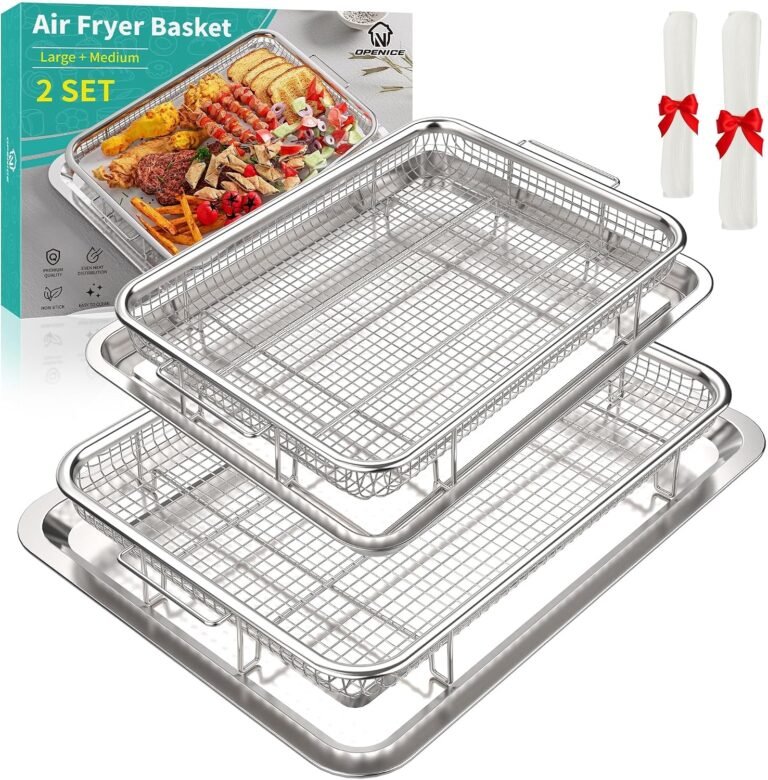
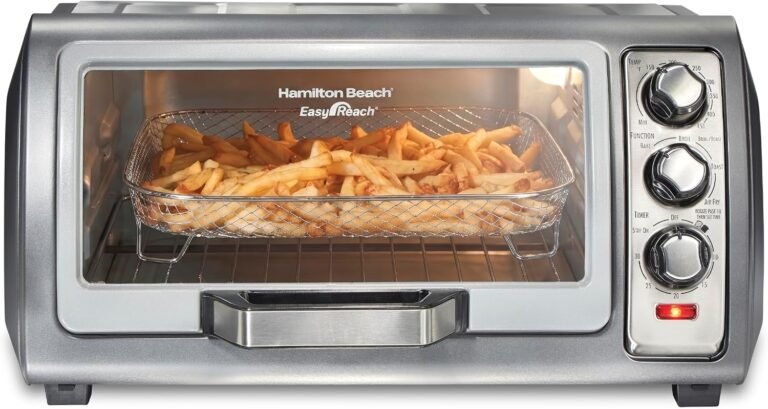
Air fryer models vary in shape. Basket styles are easy to shake. Oven-style air fryers have trays and racks, so you can cook more at once. Those models cost more and take up more counter space.
What a Fan Oven Handles That an Air Fryer Cannot
Let us get real about limitations. A fan oven is not just a bigger air fryer. It is a different tool with different strengths.
A whole turkey, multiple casserole dishes, pizza on a stone, sheet cakes, and roasted vegetables for ten people all need the fan oven. You can cook an entire meal at once — proteins on one rack, sides on another.
Fan ovens also have self-cleaning cycles, which air fryers do not. Long cooking times like slow-roasted brisket work better in the oven because the heat stays consistent over hours.
Air fryers are single-purpose in a way. They do fried textures brilliantly, but they cannot replace an oven for serious cooking and baking.
Baking Bread and Cakes in an Air Fryer
Can you bake in an air fryer? Technically, yes. Realistically, results vary.
Small portions like cupcakes or personal pizzas work okay. The hot air browns the tops quickly. You just need to lower the temperature by 25 degrees compared to a conventional recipe.
Full loaves of bread are a struggle. The loaf pan takes up most of the basket, and the intense heat can burn the top before the center cooks. Many baking guides recommend sticking to your real oven for serious baking (King Arthur Baking Company).
If you love cakes, cookies, and bread, the fan oven is your friend. Save the air fryer for snacks and proteins.
Cleanup and Maintenance Comparison
Let us be honest: nobody enjoys scrubbing a greasy oven. This is where the air fryer shines.
Most air fryer baskets have a nonstick coating. You can pop them in the dishwasher or rinse them in the sink. The whole process takes two minutes. No harsh chemicals, no heavy scrubbing pads.
Fan ovens are a different story. Food splatters on the walls, the glass, and the racks. Cleaning often requires removing racks and soaking them. Grease buildup needs degreasers and elbow grease.
We found that air fryer owners clean their appliance after every use because it is easy. Oven owners tend to postpone cleaning, which makes it worse over time.
Air Fryer vs Oven: Kitchen Space and Setup
Counter space is a premium commodity in most kitchens. An air fryer takes up a permanent footprint.
Typical air fryers are the size of a coffee maker. They need a few inches of clearance on all sides for airflow. If your counters are small, you might be storing it in a cabinet between uses.
Your fan oven is already built in. It takes zero counter space. That matters if you have a small kitchen or love having clear workspace.
Many people ask whether they should keep an air fryer out at all times. Our advice: if you use it daily, keep it accessible. If it is a once-a-week tool, stash it away.
Safety Features to Look For
Any appliance that heats to 400 degrees deserves respect. Both options have safety points worth knowing.
Air fryers get very hot on the outside. The exterior surfaces can cause burns. Models with cool-touch handles and housings are safer. Look for auto shut-off features that turn the device off if you pull out the basket mid-cook.
Fan ovens feature standard safety controls, like door locks during cleaning cycles. They are usually installed at a safe height, so children cannot reach the controls. But the oven door and racks stay hot long after you turn it off.
Many safety guidelines recommend checking your smoke detector regularly in any kitchen (National Fire Protection Association). Keep flammable items away from both appliances.
Common Mistakes That Ruin Your Air Fryer Food
You want good results, right? Here is what we see go wrong most often:
- Overfilling the basket, which blocks airflow and kills crispiness.
- Using too much oil. A light spray is plenty — the air does the work.
- Not shaking the basket halfway. This leads to unevenly cooked food.
- Ignoring the max fill line. Respect it, and the food stays crispy.
- Cooking frozen food directly without adjusting time. It needs extra minutes.
- Forgetting to preheat. A cold start yields soggy food.
Avoid these, and your air fryer results will rival restaurant quality at home.
Recipe Adjustments: Adapting Oven Recipes to Air Fryer
So, you found a great recipe written for a conventional oven. Can you use it in an air fryer? Absolutely, with a few tweaks.
First, reduce the temperature by 25 degrees Fahrenheit. The smaller chamber heats more intensely, so this prevents burning. Second, reduce the cooking time by about 20% to 25%. Check early and often until you learn how your model performs.
Third, avoid wet batters. They just drip through the basket. Stick to coated, breaded, or dry-seasoned items. Fourth, use the rack insert included with your air fryer to elevate food and improve airflow.
Likewise, converting an air fryer recipe to the oven requires raising the temperature slightly and extending the time. The results will be close, though maybe a bit less crispy.
Fan Oven vs Air Fryer for Frozen Foods
Frozen foods are a major reason people buy these appliances. Let us compare head-to-head:
| Food | Air Fryer Time | Fan Oven Time | Winner on Texture |
|---|---|---|---|
| Frozen fries | 15-18 min | 25-30 min | Air
ConclusionYou now have the full picture for the air fryer vs fan oven debate. The best choice comes down to how you actually cook. If you feed one or two people and want crispy food fast, grab an air fryer. If you bake, host holidays, or cook for a crowd, stick with your fan oven. Our research shows most homes benefit from having both. Start with an air fryer if you are on a budget or short on space. It handles weeknight dinners and frozen snacks with ease. Keep your fan oven for the big jobs, the baking projects, and the family feasts. Your next step is simple. Think about one meal you cook this week. Pick the appliance that handles it best, and you will not regret it. Frequently Asked QuestionsCan I use parchment paper in an air fryer?Yes, you can. Use perforated parchment paper made for air fryers. It lets hot air flow through your food while keeping the basket clean. Plain parchment paper can block airflow and burn. Never preheat your air fryer with an empty sheet of paper inside, or it could blow around and touch the heating element. Does an air fryer make food taste fried without oil?You get a similar crunch, not an identical taste. Air fryers use rapid hot air to crisp the surface. Your food comes out golden and crunchy, but without the deep-fried flavor that comes from cooking in oil. Many people add a light spray of oil for better crisping. The result is close enough for most frozen snacks and chicken dishes. Do air fryers work well for reheating leftovers?They are fantastic for reheating. The hot air revives crispy textures that microwaves destroy. Pizza, fried chicken, and fries come back to life in minutes. You get a fresh-cooked taste without the sogginess. Just heat leftovers at a lower temperature of 300 to 325 degrees to avoid burning. What is the best size air fryer for a family of four?Pick a 5 to 6 quart model if you regularly feed four people. That size fits about three to four servings in one basket without overcrowding. You still may need to cook in batches for sides. An oven-style air fryer with multiple trays gives you more room if family meals are a nightly event. Can I put aluminum foil in my fan oven?Yes, foil is safe in fan ovens for most cooking. It helps trap moisture and makes cleanup easier for sheet pan dinners. Keep foil away from the back wall where the heating element lives. In some fan ovens, foil near that area can block airflow and create hot spots. No foil on the oven floor, either. Similar Posts
|