Air Fryer vs Convection Oven: Cooking Time Differences
In the battle of air fryer vs convection oven time, the air fryer wins for speed—it typically cooks 20 to 25 percent faster than a convection oven. You get that crispy texture in nearly half the total cooking time because the powerful fan circulates hot air in a smaller space. This means your weeknight chicken or frozen fries hit the table much quicker.
We found that both appliances use the same basic cooking method, but their size and design change the math. A convection oven is basically a regular oven with a fan, so it holds more food but takes longer to preheat and cook. An air fryer is like a mini convection oven on steroids, perfect for smaller batches and faster results. The right choice depends on how much you cook and how much time you have.
TL;DR – Air Fryer vs Convection Oven Time:
- Air fryers are 20-25% faster than convection ovens for most foods.
- Air fryers need little to no preheating, saving you 5–10 minutes per meal.
- Convection ovens take longer but handle large batches and whole chickens much better.
- Air fryers cook in a smaller chamber, which means hotter, faster air circulation.
- You often need to reduce the cooking time by 20% when converting a convection recipe to an air fryer.
Below, we break down the exact time differences for common foods, how to convert your favorite recipes, and which appliance wins for your kitchen. Let’s walk through the details so you can cook smarter today.
Understanding the Speed Difference Between Air Fryers and Convection Ovens
You already know air fryers are faster. But have you ever wondered exactly why the time gap is so big? It comes down to three simple things: fan power, chamber size, and preheating. These factors work together to change your total cooking time dramatically.
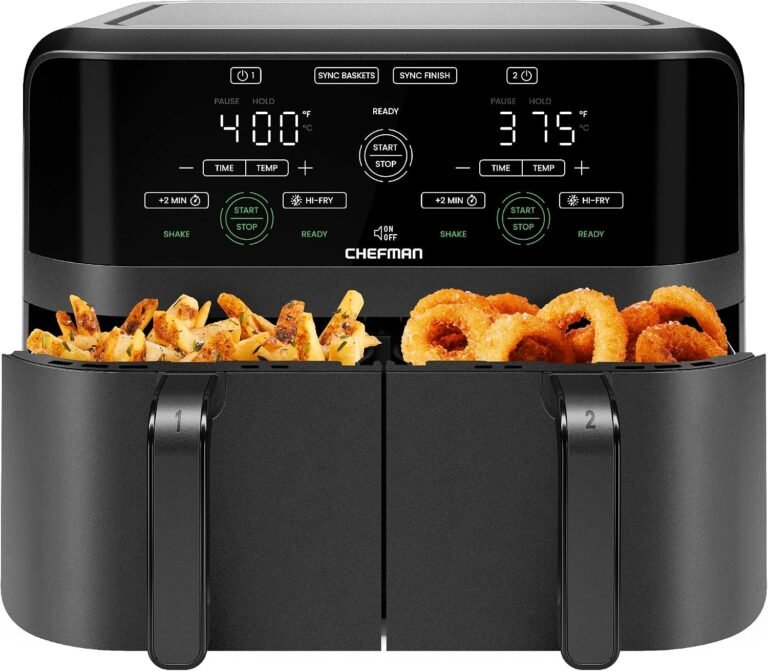
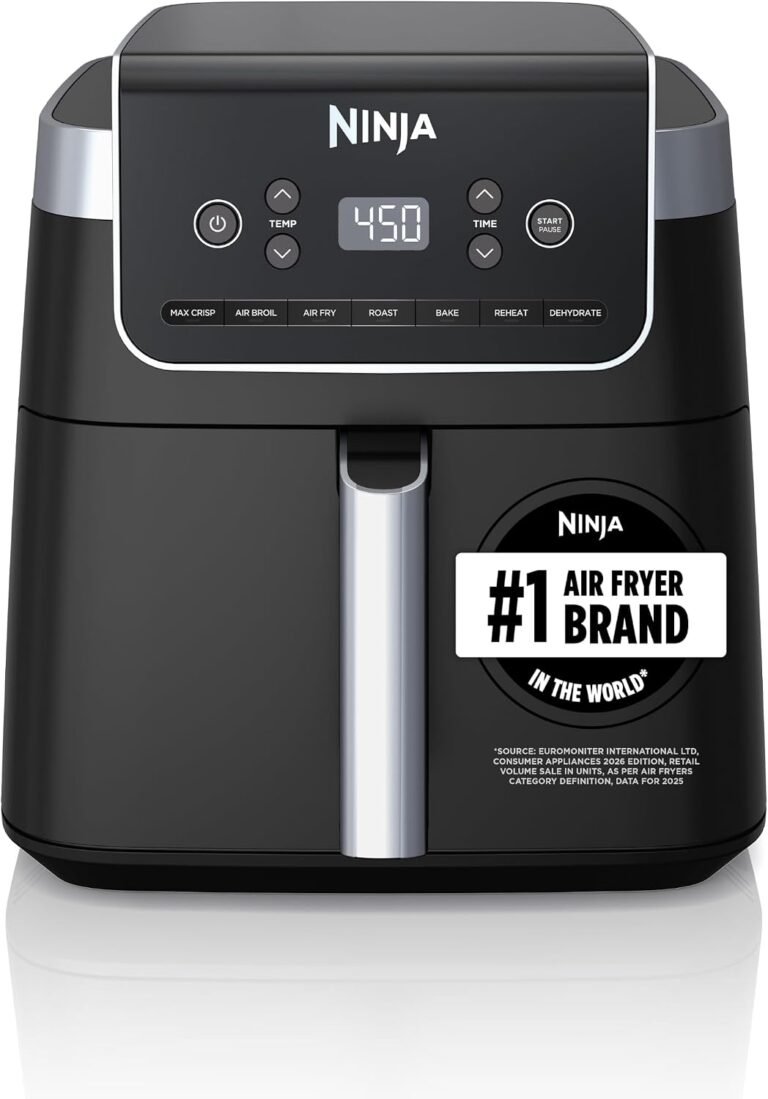
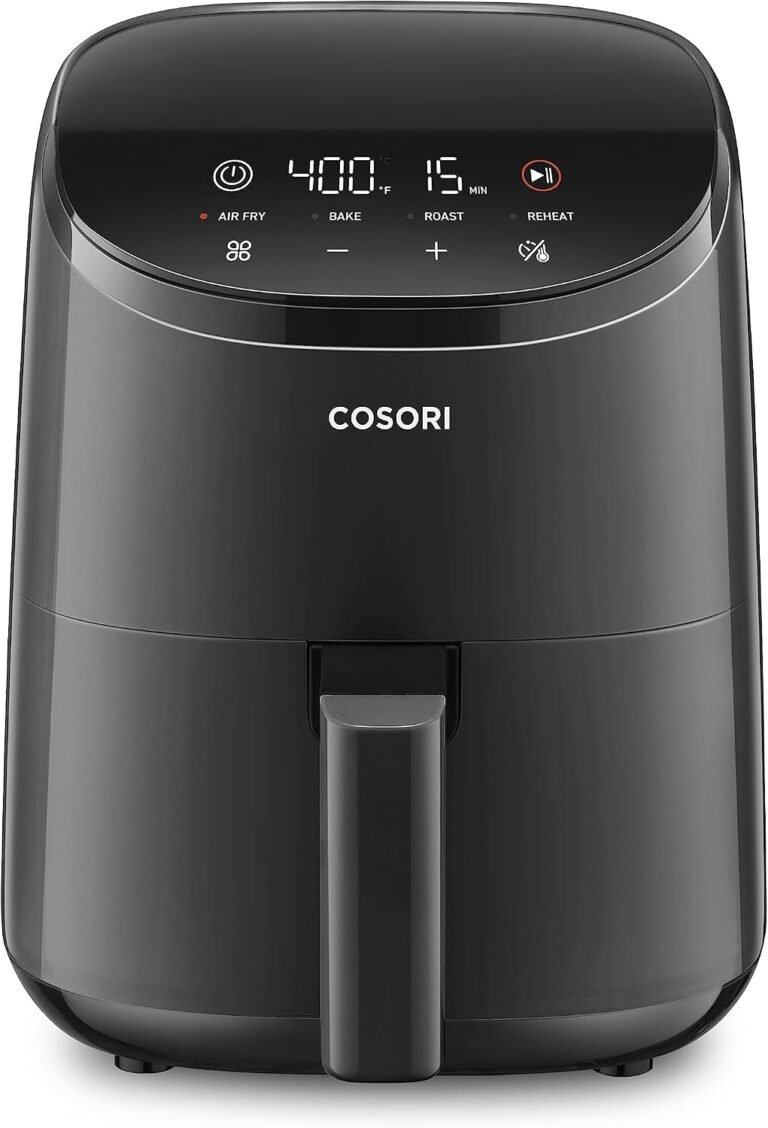
When you open an air fryer basket, you see a compact space that’s roughly the size of a shoebox. That small chamber makes a huge difference. The fan blasts hot air directly onto your food from every angle. There’s nowhere for the heat to escape or get lost. You get intense circulation in seconds. If you’re choosing between models, our comparison of basket vs oven-style air fryers explains the tradeoffs.
Compare that to a convection oven. It’s essentially a full-size oven with a fan built into the back wall. The fan works the same way, but the space is much larger. It takes more energy to heat all that air. And that means more time before your food even starts cooking.
Why Air Fryers Preheat So Much Faster
Preheating is where you save the most minutes. A standard convection oven can take 10 to 15 minutes to reach temperature. An air fryer is often ready in 2 to 3 minutes. Some models don’t even require preheating at all.
We found that skipping preheat alone can shave 5 to 10 minutes off your meal prep. That’s significant on a busy weeknight. You’re not waiting around doing nothing. You’re just tossing food in and walking away. Before you start cooking, review our air fryer safety guidelines to avoid common mistakes.
The Science of Smaller Spaces
Think about heating a small closet versus a large living room. The closet warms up fast. The living room takes forever. That’s exactly how air circulation works in these appliances. The smaller chamber means the air reaches your food quicker and stays hotter.
According to appliance testing guides, the rapid air technology in air fryers moves air at higher speeds than standard convection ovens. This creates a stronger drying effect on the food’s surface. That’s why fries get crispy in 12 minutes instead of 25.
Comparing Cooking Times for Everyday Foods
Let’s get specific. You want real numbers, not vague guesses. We compared typical cooking times for common foods in both appliances. Keep in mind these are starting points. Your results may vary based on your specific model and food thickness.
Here’s a quick reference table you can save for later. These times assume no preheating for the air fryer and a 5-minute preheat for the convection oven.
| Food Item | Air Fryer Time | Convection Oven Time | Time Saved |
|---|---|---|---|
| Frozen French Fries | 12-14 minutes | 20-25 minutes | 8-11 minutes |
| Chicken Breasts | 15-18 minutes | 25-30 minutes | 10-12 minutes |
| Salmon Fillets | 8-10 minutes | 12-15 minutes | 4-5 minutes |
| Roasted Vegetables | 10-12 minutes | 18-22 minutes | 8-10 minutes |
| Baked Potatoes | 35-40 minutes | 50-60 minutes | 15-20 minutes |
| Chicken Wings | 20-25 minutes | 30-35 minutes | 10 minutes |
Frozen foods show the biggest time savings. Air fryers excel at reheating and crisping frozen items. The hot air strips away moisture fast, giving you that fried texture without the oil.
Batch Cooking and Air Fryer Capacity Limits
Here’s the catch. Air fryers save time per batch, but they hold less food. Most baskets fit about 2 to 4 servings. If you’re cooking for a family of five, you might need to work in shifts. That eats into your time savings.
A convection oven handles a full sheet pan of vegetables or a whole chicken easily. You can cook multiple trays at once. For large gatherings, the convection oven might actually be faster overall because you’re doing one big batch instead of four small ones.
When Convection Ovens Beat Air Fryers on Total Time
Roasts and whole birds are the exception. A whole chicken takes about 45-50 minutes in a convection oven. In an air fryer, you’d need to cut it into pieces and cook in batches. The total time could easily reach 40-50 minutes anyway.
Many experts say a convection oven is the better choice for whole chickens, large roasts, and multiple sheet pans. The air fryer wins for quick single servings and frozen snacks. Match the appliance to the meal, and you’ll always save time.
Converting Recipes Between Air Fryer and Convection Oven
You have a favorite recipe written for a convection oven. Now you want to use your air fryer. Don’t panic. The conversion is straightforward. Just follow these simple adjustments.
- Lower the temperature by 25 degrees Fahrenheit for air fryer cooking.
- Reduce the cooking time by 20 to 25 percent at the start.
- Check your food at the halfway point to avoid burning.
- Shake or flip the food once during cooking for even crispiness.
- Cut larger pieces into smaller, uniform sizes for faster cooking.
- Do not overcrowd the basket or you’ll trap steam and lose crispiness.
Start with less time than you think. You can always add more minutes. You can’t uncook something that’s burnt. We found that the 20 percent reduction is a solid starting point for most recipes.
Going the Other Direction: Convection Oven Conversions
Maybe you bought a great air fryer cookbook but only have a convection oven. No problem. Increase the temperature by 25 degrees. Extend the cooking time by at least 25 percent. Check your food frequently.
Air fryer recipes are written for small, fast batches. When you scale up to a full oven, you need more time for the heat to penetrate thicker foods. A 15-minute air fryer chicken breast might take 25 to 30 minutes in your convection oven.
Using Temperature Probes for Accuracy
Times are helpful, but temperature is the real truth. Invest in an instant-read thermometer. Chicken should hit 165 degrees Fahrenheit. Ground beef needs 160 degrees. Pork should reach 145 degrees, according to USDA guidelines.
We found that relying on internal temperature instead of a timer prevents dry, overcooked meals. Every appliance runs a little differently. Your thermometers never lie.
Factors That Affect Cooking Time in Both Appliances
Your cooking time isn’t set in stone. Several variables change how fast your food cooks. Understanding these helps you adjust on the fly. You’ll get consistent results every time.
Food thickness is the biggest factor. A thin fish fillet cooks in minutes. A thick pork chop takes much longer. Cut your meat into uniform sizes to promote even cooking. This small habit saves you from chewy edges and raw centers.
Frozen vs. Fresh Ingredients
Frozen food starts colder, so it takes longer to cook. Air fryers handle frozen items beautifully because the intense air circulation thaws and crisps quickly. Convection ovens do a good job too, but they take noticeably longer.
Fresh ingredients cook faster and give you more control. If you’re in a hurry, thaw your meat in the fridge overnight. Or increase your cooking time by 50 percent for frozen foods. Your choice depends on how much time you have.
Airflow and Rack Position
Don’t block the airflow. In an air fryer, don’t stack food too high. In a convection oven, position racks in the center for best circulation. Leave space between pans so the hot air can move freely around the food.
Overcrowding is the number one mistake people make. Food gets steamy and soggy instead of crispy. Cook in smaller batches. Your food will finish faster than you expect because the air isn’t fighting through a wall of food.
Energy Use: Does Faster Mean Cheaper?
Air fryers use less energy overall. They heat a small area quickly. A convection oven uses more electricity because it’s warming a much larger space. Over a month, that difference adds up on your utility bill.
Research shows that countertop appliances like air fryers consume less power than full-size ovens. The exact numbers vary by model and usage. But for single meals and side dishes, the air fryer is the energy-efficient choice.
For large family meals, a convection oven actually makes more sense. You cook everything at once instead of running the air fryer for multiple cycles. The oven also holds heat better for longer cooking sessions.
Noise Levels and Your Cooking Experience
Air fryers are louder. They have a powerful fan that runs constantly. You’ll hear a consistent hum. Convection ovens are quieter, with just a soft whir in the background.
Some people find the air fryer noise annoying. Others get used to it quickly. If you’re sensitive to noise while working in the kitchen, the convection oven might be more pleasant. Test both and see what you prefer.
Choices for Better Crispy Results
Texture matters. That’s why you bought an air fryer, right? The rapid air circulation creates a crunchy exterior without deep frying. Convection ovens produce decent results, but the texture is often softer and less crispy.
For the best crunch, consider using a light coat of oil on your food. Research found that a teaspoon of oil per serving helps the hot air crisp the surface faster. This works in both appliances, but the air fryer delivers the crunchiest outcome.
You can achieve excellent crispy foods in a convection oven too. Use the convection roast setting if you have one. Place a wire rack inside a sheet pan to lift the food off the surface. This allows air to reach the bottom and makes everything crispier.
Sauces and Breaded Coatings
Wet batters don’t work well in an air fryer. The air blows the coating right off. Use dry breading or panko instead. For the convection oven, wet batters perform slightly better because the air moves less forcefully.
If you’re cooking saucy foods like BBQ chicken, add the sauce during the last few minutes. This prevents burning and keeps the sauce from making your food soggy. Many experts recommend this trick for both appliances.
Your Weekly Meal Planning Guide
You don’t have to pick just one. Most home cooks benefit from owning both. Use the air fryer for quick weekday dinners, side dishes, and reheating leftovers. Use the convection oven for weekend roasts, big batches, and baking.
A good strategy is to plan your meals around the appliance. Monday night frozen fish sticks in the air fryer. Sunday roast chicken in the convection oven. This approach maximizes speed without sacrificing versatility.
- Air fryer for frozen foods and single servings
- Convection oven for whole chickens and roasts
- Air fryer for crispy vegetables and snacks
- Convection oven for baking cookies and pastries
- Air fryer for quick reheating without sogginess
- Convection oven for feeding a crowd or meal prep
This balanced approach means you always have the right tool for the job. No more waiting 30 minutes for fries. No more cramming a whole chicken into a tiny basket. You cook smarter, not harder.
Final Thoughts on Choosing Your Primary Cooker
If you cook for one or two people and value speed above all, get an air fryer. It’s perfect for quick, crispy meals with minimal hassle. You’ll wonder how you ever lived without it.
If you have a bigger family or love hosting dinners, prioritize the convection oven. It handles more food and delivers reliable results. The extra cooking time is worth it for the larger capacity.
Many households find that the air fryer becomes their daily driver for busy weeknights. The convection oven stays ready for bigger projects. Test each one with different foods and see which fits your routine better. Your kitchen should work for you, not against you.
Conclusion
You now have the full picture on air fryer vs convection oven time. The air fryer wins for speed, saving you 20 to 25 percent on most meals. That’s a real difference on busy nights when every minute counts.
But remember the capacity trade-off. A convection oven handles big batches and whole chickens better. The right choice comes down to your household size and cooking habits. You don’t have to pick one forever.
Start by testing one recipe in both appliances this week. Compare your own times and textures. You’ll quickly learn which tool fits your kitchen rhythm best. Cook smarter, save time, and enjoy crispy food every single day.
Frequently Asked Questions
Can I use air fryer recipes in a convection oven?
Yes, you can convert most air fryer recipes for a convection oven. Raise the temperature by 25 degrees Fahrenheit and add about 25 percent more cooking time. Check your food frequently since every oven runs a bit differently.
Do air fryers really cook faster than convection ovens?
Yes, air fryers typically cook food 20 to 25 percent faster than convection ovens. The smaller chamber and more powerful fan create intense heat circulation. Your food cooks quicker and gets crispier in the process.
Why does my convection oven take so long to preheat?
Convection ovens heat a much larger space than air fryers, so they need more time to reach temperature. Most take 10 to 15 minutes to preheat fully. You can skip preheating for some dishes, but baked goods usually need it.
Is it worth having both an air fryer and a convection oven?
Many households find value in owning both appliances. Use the air fryer for quick weeknight meals and crispy snacks. Keep the convection oven ready for large batches, whole chickens, and baking projects. They complement each other well.
How much time do I save using an air fryer instead of a convection oven?
You’ll typically save 8 to 15 minutes on most meals, depending on what you cook. Frozen fries take 12 minutes in an air fryer versus 20 minutes in a convection oven. Bigger items like baked potatoes save you even more time.