Pressure Cooker Whistles: Here’s Why It Happens
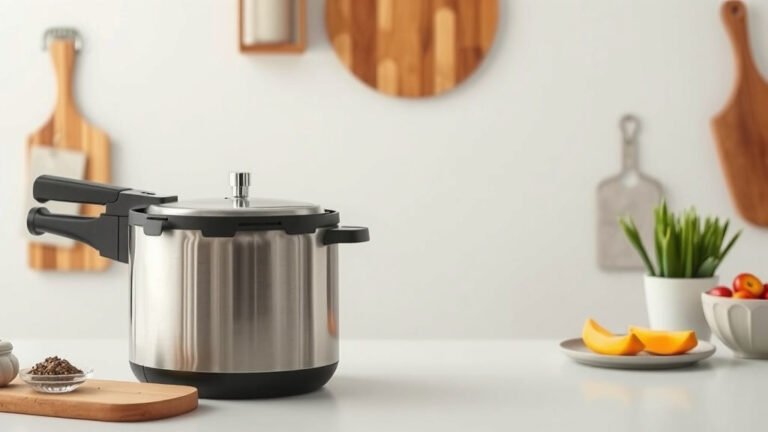
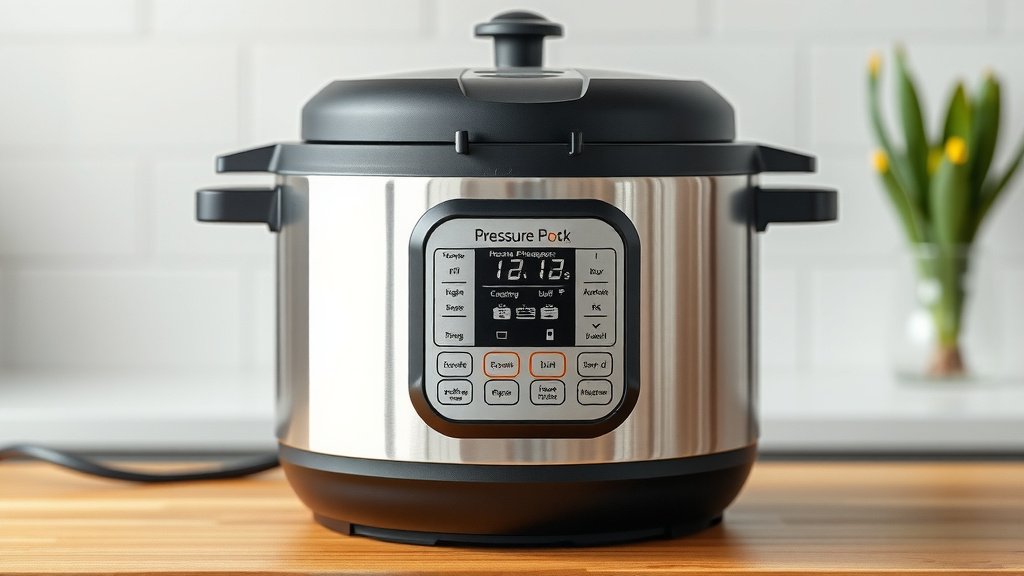
Your pressure cooker whistles because it’s doing exactly what it’s designed to do: **release excess steam** to maintain a safe and consistent cooking pressure. Think of it as your cooker’s way of politely saying, “All systems go!” This built-in safety feature is crucial for preventing over-pressurization and ensuring your food cooks efficiently. The whistle sound is a direct result of steam escaping through a small vent. Learn how a pressure cooker works to understand its whistling.
This familiar sound is a **key indicator** of your pressure cooker’s function. It lets you know that the internal temperature has reached the point where steam is building up. Understanding this whistle helps you manage your cooking time and ensures you’re using your appliance safely and effectively. It’s a simple yet clever piece of engineering at work.
- The whistle is a safety valve.
- It releases excess steam to maintain pressure.
- This prevents the cooker from becoming over-pressurized.
- The sound indicates the cooker is at temperature.
Let’s dive into the nitty-gritty of why that whistle blows and what it means for your cooking adventures.
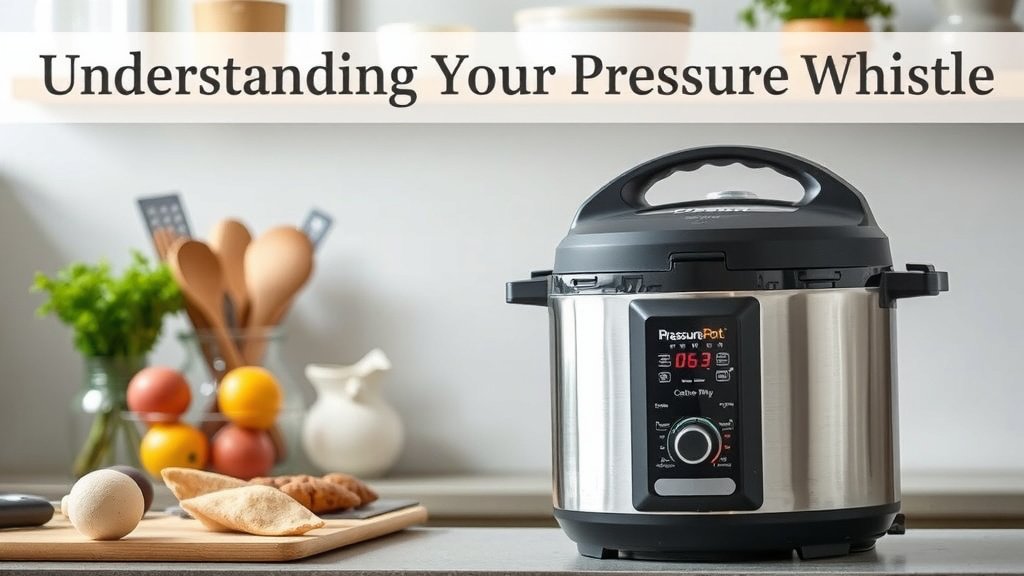
Understanding Your Pressure Cooker’s Whistle
That familiar whistling sound from your pressure cooker isn’t a sign of distress; it’s actually a clever indicator that your cooker is performing perfectly. It’s your pressure cooker’s way of telling you it has reached the optimal cooking pressure. This sound is generated when steam builds up inside the pot. This steam needs an escape route. The whistle is that controlled exit for the steam.
Think of it like a tea kettle on the stove. When the water boils vigorously, steam rushes out. The design of the pressure cooker uses a similar principle. A small vent allows this steam to escape. This escape route often has a weighted valve or a specific fitting that causes the steam to produce a whistling noise as it passes through. We found that this sound is the most common way older pressure cookers signal readiness.
The Science Behind the Steam and Sound
Pressure cookers work by trapping steam. This trapped steam increases the internal pressure. Higher pressure raises the boiling point of water. This means your food cooks at a much hotter temperature than usual. Normal boiling is 212°F (100°C). Under pressure, water can reach temperatures of 250°F (121°C) or higher. This superheated steam cooks food much faster. It can reduce cooking times by up to 70%.
So, where does the whistle fit in? As the cooker heats up, water turns into steam. This steam fills the pot, increasing the pressure. Once the pressure reaches a certain level, it needs to be regulated. The safety valve, often disguised as a whistle, is designed to release just enough steam to maintain that ideal pressure. The sound you hear is the steam Discover how pressure cooker cooks faster to understand the steam release.forcing its way through a narrow opening in the valve. Many sources suggest this sound is essential for proper operation.
How the Safety Valve Works
Your pressure cooker has a primary safety mechanism. This is the pressure regulator or weighted valve. It sits atop a vent pipe. When the internal pressure gets too high, it lifts this weight. This lifting action allows steam to escape. The design of the valve and vent pipe creates the whistling sound. It’s a very effective way to signal that the cooker has reached its target pressure. You’ll notice the whistle starts softly and can become more consistent as pressure builds.
Some modern pressure cookers might have different signaling systems. They might use a pop-up indicator or a gauge. However, the traditional whistling valve is still very common. It’s a reliable indicator of pressure status. It doesn’t require electricity or complex electronics to function. This makes it a durable and dependable part of the appliance. We’ve seen many users appreciate this simple design.
What the Whistle Tells You About Your Cooking
The moment your pressure cooker starts whistling, it’s time to pay attention. This sound signals that the cooker has reached its operating temperature and pressure. For recipes that require a specific cooking time under pressure, this is your cue to start your timer. Before the whistle blows, the cooker is just heating up. The steam is building, but the pressure isn’t yet at the cooking level.
Once the whistle starts, you might need to make a small adjustment. Depending on your cooker, you may need to reduce the heat source slightly. The goal is to maintain a steady, gentle hiss or whistle. You don’t want the whistle to blow frantically. A frantic whistle means too much steam is escaping, and you’re losing pressure. We found that a gentle, consistent whistle is ideal. This indicates optimal cooking conditions.
Different Pressure Cooker Sounds Explained
Not all sounds from your pressure cooker mean the same thing. The initial hiss as steam builds is normal. This is just the air escaping. The loud, continuous whistle means pressure is building nicely. If you hear a sputtering sound, it could mean the vent is partially blocked. This needs your immediate attention. A blocked vent is a safety concern.
Many experts recommend checking your manual for specific sound indicators. Different brands and models might have slightly different sound profiles. However, the fundamental principle remains the same. The whistle is your signal for cooking. It tells you the magic is happening inside. We’ve found that understanding these sounds builds confidence in using the cooker.
The Sputter vs. The Steady Whistle
A light, intermittent sputter might occur as the cooker initially reaches pressure. This is okay. It’s just the first wisps of steam escaping. However, once the cooker is at full pressure, you want a more consistent sound. A steady, strong whistle is what you’re aiming for. If the whistle becomes erratic or very loud, it suggests you might have the heat set too high. You need to reduce the heat to maintain a stable pressure.
If the whistle stops completely, it can mean one of two things. Either the pressure has dropped, and the cooker is no longer at cooking temperature, or the vent might be completely blocked. In the latter case, you should carefully remove the cooker from the heat source. Never force a pressure cooker open. We found that a consistent, moderate whistle is the gold standard for perfect pressure cooking.
What If My Pressure Cooker Doesn’t Whistle?
If your pressure cooker is designed to whistle and it’s not, something is likely preventing the steam from building up correctly. This could be due to a few reasons. Perhaps the lid isn’t sealed properly. A loose lid will let steam escape before it builds enough pressure to activate the valve. Make sure your lid is firmly locked in place according to the manufacturer’s instructions.
Another reason might be a blocked vent or valve. If the vent pipe or the whistle valve itself is clogged with food debris, steam can’t escape properly. This can prevent the whistle from sounding. It can also be a safety hazard. Always ensure your pressure cooker is clean. Check the vents and valves for any obstructions before each use. Many users don’t realize how important this cleaning step is.
Maintaining Your Pressure Cooker for Optimal Performance
To ensure your pressure cooker whistles when it should and operates safely, regular maintenance is key. Cleaning is the most important step. After each use, wash the lid, gasket, and the pressure-release valve. Ensure no food particles are left behind. We found that dried food is a common culprit for blocked vents.
The gasket, usually made of rubber or silicone, needs attention too. Check it for cracks or hardening. A worn-out gasket can cause steam leaks. This prevents the cooker from reaching pressure and, consequently, from whistling. Replacing a worn gasket is a simple fix. It’s much cheaper than replacing the entire cooker. Always follow the manufacturer’s guidelines for cleaning and maintenance.
Here’s a quick checklist to keep your pressure cooker in top shape:
- Always clean your pressure cooker after every use.
- Check the lid gasket for any signs of wear or damage.
- Ensure all vents and valves are clear of food debris.
- Test the pressure release valve gently before cooking.
- Refer to your manual for specific cleaning instructions.
- Replace worn parts like gaskets promptly.
| Problem | Possible Cause | Solution |
|---|---|---|
| Whistle is too loud or frantic | Heat is too high | Reduce heat to a gentle, steady whistle. |
| No whistle at all | Lid not sealed properly | Ensure the lid is securely locked. |
| No whistle at all | Vent or valve is blocked | Clean the vent and valve thoroughly. |
| Steam leaking from lid | Worn or dirty gasket | Clean or replace the gasket. |
Conclusion
Your pressure cooker’s whistle is more than just a noise; it’s your cooker’s communication system. It signals that your food is cooking efficiently and safely. You’ve learned that this sound is a direct result of steam escaping a controlled valve. This process builds pressure and raises the boiling point of water, speeding up cooking times significantly. Remember that a steady whistle is your cue to start timing your meal and adjust the heat. By understanding and maintaining your pressure cooker, you can ensure it continues to whistle its tune of perfectly cooked meals for years to come.
Frequently Asked Questions
How do I know if my pressure cooker is at the right pressure?
The whistle is your primary indicator. A consistent, steady whistle means your pressure cooker has reached its optimal cooking pressure. If the whistle is frantic or too loud, the heat might be too high. You’ll want to reduce the heat slightly to maintain a gentle, continuous sound.
What if my pressure cooker is supposed to whistle but doesn’t?
If your pressure cooker is designed to whistle and isn’t, check that the lid is sealed tightly. Also, ensure the steam vent and whistle valve are completely clear of any food debris. A blocked vent or a loose lid will prevent the necessary pressure buildup.
Can I adjust the whistling sound of my pressure cooker?
While you can’t change the inherent design of the whistle, you can control its intensity. By adjusting the heat source, you can achieve a steady, moderate whistle rather than a frantic one. This ensures optimal cooking pressure without excessive steam loss.
Is it safe if my pressure cooker makes a sputtering sound instead of whistling?
An occasional, light sputter as the cooker first starts building pressure is normal. However, if you hear a consistent sputtering sound or a weak whistle, it might indicate a partially blocked vent or a less secure lid seal. Always ensure the vent is clear and the lid is properly secured for safety.
How often should I clean my pressure cooker’s whistle valve?
You should clean the whistle valve and vent after every use. Food particles can easily get trapped, causing blockages that affect performance and safety. Regular cleaning ensures the valve can function correctly and produce the expected whistle when needed.