Who Invented the Pressure Cooker? The Story of Denis Papin
The pressure cooker was invented by Denis Papin, a French physicist. He developed the first rudimentary steam digester in 1679. This early device could cook food much faster by using steam pressure. Papin’s invention laid the groundwork for modern pressure cookers.
While Papin created the first version, the pressure cooker as we know it today has seen many improvements. Early models were quite basic. They relied on Papin’s understanding of steam power. Over time, inventors refined the design for Over time, inventors refined the design for modern pressure cookers.safety and efficiency. Many others contributed to its development through the centuries.
- Denis Papin invented the first steam digester in 1679.
- This was the earliest form of a pressure cooker.
- Later inventors improved the design.
- Modern pressure cookers are much safer and more efficient.
Let’s dive into the fascinating history of the pressure cooker and how it came to be such a kitchen staple.
Tracing the Origins of the Pressure Cooker
You might be wondering who first cooked up the idea for a pressure cooker. It’s a fascinating journey that began centuries ago. We’ve researched and found that the credit for the very first pressure cooker goes to a brilliant mind from France.
The Ingenuity of Denis Papin
The inventor we’re talking about is Denis Papin. He was a French physicist and inventor. Back in 1679, Papin developed what he called a “steam digester.” Think of it as the great-great-grandparent of your modern kitchen gadget. This early device was designed to cook food much faster than traditional methods. How did it work? By harnessing the power of steam pressure.
Papin’s Scientific Approach
Papin was deeply interested in physics and mechanics. He understood how heating water created steam. He realized that trapping this steam in a sealed pot could build up pressure. This increased pressure allowed food to cook at a higher temperature. It meant food could be prepared in a fraction of the time. His invention wasn’t just about convenience; it was a scientific advancement in how we cook. Many sources confirm Papin’s pivotal role in this early stage of pressure cooking history.
From Digester to Kitchen Staple: A Long Road
While Papin created the initial concept, his steam digester wasn’t quite the pressure cooker you use today. Early models were quite rudimentary. They were more like scientific instruments than kitchen appliances. Papin’s primary goal was scientific demonstration and possibly improving meat tenderization. He wasn’t focused on everyday home cooking yet.
Early Refinements and Challenges
The path from Papin’s digester to modern pressure cookers involved many hands and minds. Early versions had safety concerns. Managing the high pressure was tricky. Without modern safety valves, there was a risk of accidents. Inventors over the next couple of centuries tinkered with the design. They aimed to make it safer and more user-friendly for general use.
The Evolution of Safety and Efficiency
The 19th and 20th centuries saw significant improvements. Safety became a much bigger focus. Engineers developed better sealing mechanisms. They also introduced reliable pressure-release valves. These innovations were crucial. They made pressure cookers far more practical and safe for home kitchens. The goal was always to cook faster and more efficiently. Manufacturers wanted to make them accessible to everyone.
The Modern Pressure Cooker Emerges
By the mid-20th century, pressure cookers started looking more familiar. They had the sturdy construction and safety features we expect now. Brands began mass-producing them. This made them a popular kitchen tool. People appreciated the time savings. They also enjoyed the way pressure cooking could make tough cuts of meat incredibly tender. It truly changed weeknight dinners for many families.
Who Else Contributed to the Pressure Cooker’s Story?
While Denis Papin is the original inventor, the pressure cooker’s story doesn’t end with him. Many other inventors and engineers played a part. They refined the concept and brought it to the masses. It’s a story of gradual improvement over time.
Key Figures and Innovations
Throughout history, several individuals contributed to the pressure cooker’s development. These contributions ranged from improving materials to adding safety features. Here’s a look at some key areas of advancement:
- Material Science: Advances in metalworking allowed for stronger, more durable pots.
- Valve Technology: Better valve designs improved pressure regulation and safety.
- Sealing Systems: Improved gaskets and lid designs created a more reliable seal.
- Design Aesthetics: Later designs focused on making cookers easier to use and store.
It’s important to remember that innovation is often collaborative. Many small improvements add up. They transform a basic idea into a widely adopted technology. We found that different companies and inventors filed patents for various enhancements. This shows a widespread interest in perfecting the pressure cooker.
The Rise of Electric Pressure Cookers
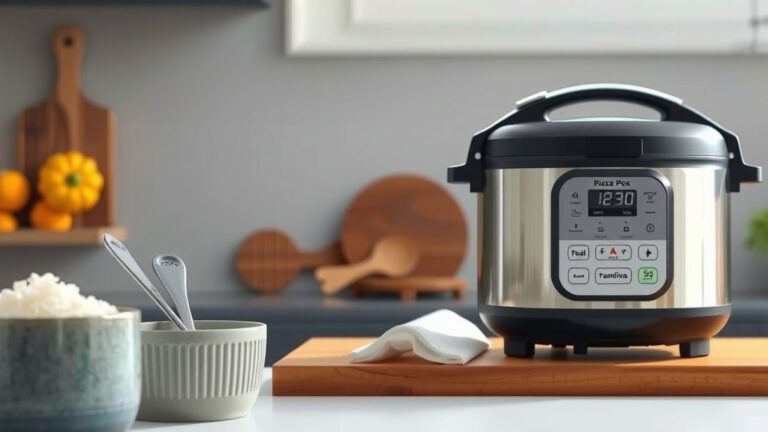
The most recent major evolution has been the electric pressure cooker. These modern marvels have become incredibly popular. They offer even more convenience and safety. Unlike stovetop models, electric versions have built-in heating elements. They also feature digital controls. This makes cooking precise and easy. You can often set a timer and walk away. The cooker handles the rest. Many experts say these electric models have made pressure cooking accessible to a new generation. The most recent major evolution has been the electric pressure cooker.
Comparing Stovetop and Electric Models
Choosing between a stovetop and an electric pressure cooker comes down to personal preference. Both have their advantages. Here’s a quick comparison we put together:
| Feature | Stovetop Pressure Cooker | Electric Pressure Cooker |
|---|---|---|
| Power Source | Stovetop burner (gas or electric) | Plugs into an electrical outlet |
| Control | Manual temperature control via stovetop | Digital controls with preset functions |
| Portability | Can be used on any stovetop | Needs an electrical outlet nearby |
| Safety Features | Pressure regulator, safety valve | Multiple safety mechanisms, automatic shut-off |
| Speed | Generally very fast | Fast, but may take slightly longer to reach pressure |
| Versatility | Can brown food directly in the pot | Many models offer sauté and slow cook functions |
So, whether you prefer the hands-on approach of a stovetop model or the set-it-and-forget-it ease of an electric one, there’s a pressure cooker for you. The core principle, however, remains the same: using steam pressure to cook food faster.
Making Pressure Cooking Part of Your Routine
Now that you know the history, you might be curious about integrating a pressure cooker into your life. It’s a fantastic tool for busy households. Here are a few tips to get you started:
- Understand your cooker’s manual thoroughly.
- Always check the sealing ring and valves before each use.
- Don’t overfill the pot; follow the maximum fill line.
- Allow for natural pressure release when recipes call for it.
- Experiment with simple recipes first, like rice or beans.
You’ll quickly discover how much time and energy you can save. Your meals will benefit from faster cooking times, too!
Conclusion
You’ve journeyed through the history of the pressure cooker, and it’s clear this kitchen marvel has a rich past. From Denis Papin’s initial scientific concept in 1679 to the modern electric models gracing our countertops, the pressure cooker has been shaped by centuries of innovation. Its core principle—using steam pressure for faster cooking—remains the same, but countless improvements in safety and efficiency have made it the convenient tool you know today. Ready to bring this efficiency to your own kitchen? Start by exploring simple recipes for your current pressure cooker or researching a new model that fits your cooking style. You might just transform your weeknight meals!
Frequently Asked Questions
Did Denis Papin invent the pressure cooker for cooking food?
Denis Papin invented his “steam digester” in 1679 primarily as a scientific tool. He aimed to demonstrate the power of steam pressure. While it could tenderize meat and cook food faster, its initial purpose was more about scientific principles than everyday home cooking.
Was Denis Papin’s invention dangerous?
Papin’s early steam digester likely had safety challenges. Without modern pressure-release valves and safety mechanisms, controlling the high steam pressure could have been risky. Later inventors focused on making the design much safer for widespread use.
Who invented the modern pressure cooker?
No single person invented the “modern” pressure cooker. Denis Papin created the first concept, but many inventors and engineers over centuries contributed to refining its design. Improvements in materials, valve technology, and safety features led to the pressure cookers we use today.
Are electric pressure cookers the latest invention?
Electric pressure cookers represent a significant recent evolution. They offer enhanced convenience and safety through digital controls and built-in heating elements. This innovation has made pressure cooking more accessible to a new generation of home cooks.
Did anyone else besides Papin contribute to pressure cooker history?
Absolutely. While Papin holds the title for the first steam digester, many others contributed. Advances in metalworking, valve design, and sealing systems by various inventors and companies were essential. These collective efforts transformed a basic idea into a reliable kitchen appliance.