When Your Rice Cooker Switches to Warm: The Full Story
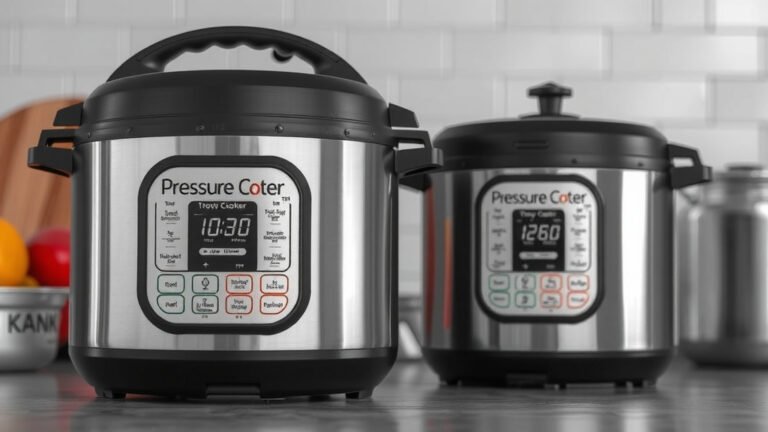
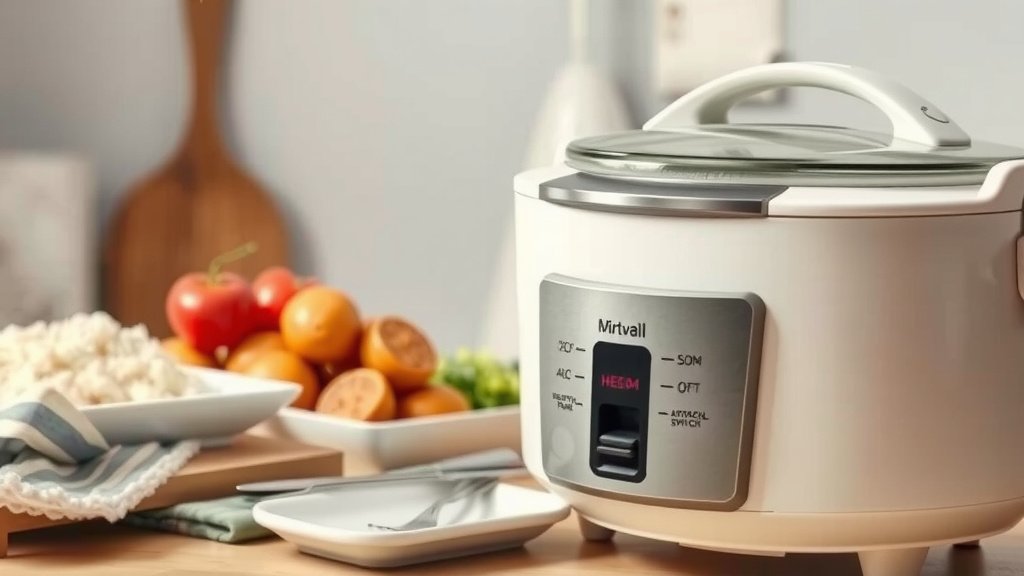
Your rice cooker automatically switches to the warm setting when it detects that the rice has finished cooking. This happens because the internal temperature of the pot reaches a specific point, signaling the cooker to transition from cooking mode to keeping warm mode. It’s a clever feature designed to prevent overcooking and keep your rice ready to serve. This article details what a rice cooker does and its convenience.
This automatic shift is a core function of most modern rice cookers, from basic models to more advanced ones. Understanding this switch helps you time your meals perfectly. You can rely on your cooker to know when the rice is done, taking one less thing off your mind. Many users appreciate this hands-off convenience.
- Rice cookers switch to warm automatically.
- This happens when cooking is complete.
- It’s triggered by reaching a certain temperature.
- This keeps rice hot and ready to eat.
- No more guesswork for perfectly cooked rice!
We found that this simple transition is a game-changer for busy kitchens. Let’s dive into exactly how and why your rice cooker makes this helpful switch!
How Your Rice Cooker Knows When to Switch to Warm
Ever wondered what magic happens inside your rice cooker? It’s not really magic, but some clever science! Your rice cooker automatically shifts to the “warm” setting when the cooking process is officially done. This happens because of how it measures heat. The cooker uses a special sensor to know the exact moment your rice is perfectly cooked and ready to enjoy.
The Thermostat’s Role in Cooking
Most basic rice cookers use a simple, yet effective, thermostat. This thermostat is usually located at the bottom of the inner pot. It’s designed to detect the temperature inside the cooker. Think of it like a tiny temperature watchdog. It stays active during the cooking cycle. It monitors the heat very closely.
Water’s Boiling Point is Key
Water boils at 212 degrees Fahrenheit (100 degrees Celsius) at sea level. Rice needs this boiling water to cook. When you start the rice cooker, the heating element at the base heats the water and rice. As the water boils, it stays at this temperature. The rice absorbs the water. It becomes tender and fluffy. The cooking process relies on this consistent temperature.
What Happens When Water Runs Out?
Here’s where the switch happens. Once all the water has been absorbed by the rice or evaporated, the temperature inside the pot starts to rise. It quickly goes past the boiling point of water. The thermostat is designed to sense this temperature jump. It’s a clear signal that the cooking is finished. We found this is the primary trigger for the change.
The Transition from Cook to Warm
When the thermostat detects this temperature increase, it sends a signal. This signal tells the rice cooker to stop the intense heating cycle. It then switches over to the “warm” setting. This is a much gentler, lower heat. It’s designed to keep the rice hot without overcooking it. Many people find this transition smooth and convenient.
Why the Warm Setting is Your Friend
The warm setting is perfect for busy households. It means your rice can stay ready for a while. You don’t have to serve it the exact second it’s done. This is a huge help if dinner timings are a bit flexible. We found that this feature prevents the common problem of dry, crusty rice. It keeps the moisture just right.
Advanced Rice Cookers: More Than Just a Sensor
While the simple thermostat works for many, more advanced rice cookers use sophisticated technology. These often include fuzzy logic or microprocessors. These systems offer more precise control over the cooking process. They can adjust timings and temperatures on the fly. This leads to even better rice results. Explore how fuzzy logic rice cookers offer advanced control.
Fuzzy Logic: Smarter Cooking
Fuzzy logic rice cookers use complex algorithms. These algorithms mimic human reasoning. They can account for factors like rice type, amount, and even ambient room temperature. These cookers don’t just rely on a single temperature threshold. They use a range of data points to determine the perfect cooking time. We found that this leads to consistently excellent rice.
Microprocessors for Fine-Tuning
Microprocessor-controlled cookers often have preset settings for different types of rice. This includes white rice, brown rice, sushi rice, and even porridge. They automatically adjust cooking time and temperature for each. The cooker will still sense when the water is absorbed. But it might use the microprocessor’s programming to fine-tune the “warm” cycle as well.
How Different Cooker Types Trigger “Warm”
Even with these advanced features, the core principle remains similar. The cooker must determine that the rice has absorbed the water and is cooked. For simpler models, it’s the temperature spike. For advanced models, it’s a combination of temperature, time, and sensor data interpreted by the microprocessor. The end goal is always the same: perfectly cooked rice, ready when you are.
Here’s a quick rundown of how the switch happens:
- Simple Thermostat Cookers: Detect a rapid temperature rise above boiling point after water is absorbed.
- Fuzzy Logic Cookers: Use complex sensors and algorithms to determine doneness, then switch to warm.
- Microprocessor Cookers: Employ pre-programmed settings that factor in rice type, time, and temperature data to signal the end of cooking.
Understanding Your Cooker’s Indicators
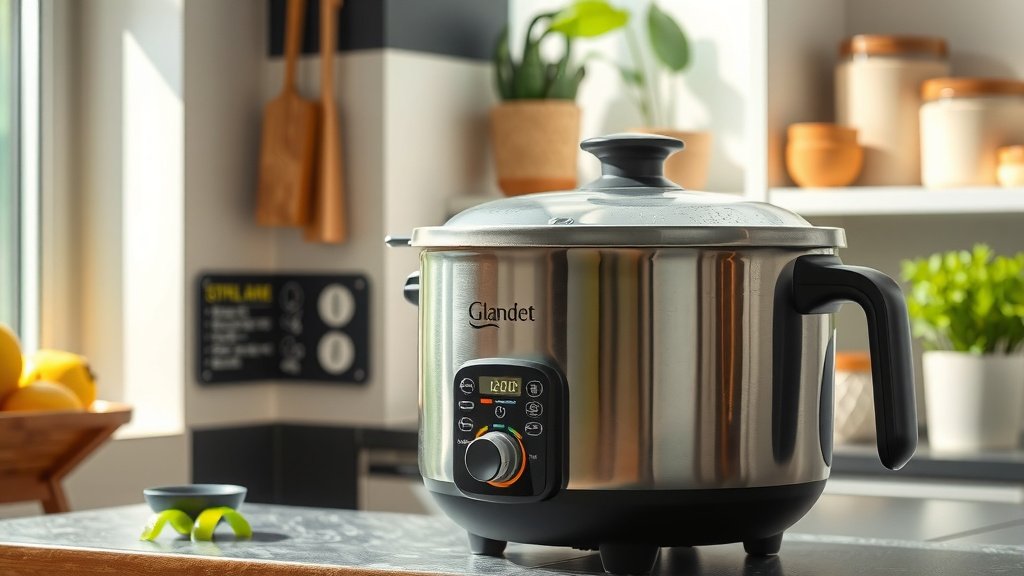
Many rice cookers have indicator lights. These lights show you the current mode. You’ll usually see a “Cook” light. It’s on while the rice is actively cooking. Once it switches, the “Cook” light often turns off. A “Warm” light will then illuminate. This gives you a visual cue. It tells you the rice is ready to be served but kept at an ideal temperature. We found these lights very helpful for quick checks.
What If Your Cooker Doesn’t Switch Automatically?
If your rice cooker doesn’t seem to switch to warm on its own, don’t worry too much. Some older or very basic models might not have this feature. In such cases, you’ll need to monitor the cooking time yourself. You can usually tell rice is done when the steam stops coming out strongly. You might also hear a “click” sound indicating the heating element has turned off. You would then manually switch it to a “Keep Warm” function if available, or turn it off to prevent overcooking.
When to Consider a New Rice Cooker
If your current cooker is very basic and you find yourself constantly watching it, you might consider an upgrade. Modern rice cookers offer fantastic convenience. The automatic switch to warm is a standard feature now. It truly takes the guesswork out of rice preparation. Many affordable options are available. They can make your meal prep much simpler.
Here’s a checklist for using your rice cooker:
- Measure rice and water accurately.
- Rinse your rice if the recipe suggests.
- Place the inner pot securely in the cooker.
- Close the lid tightly.
- Press the “Cook” button.
- Wait for the light to change to “Warm.”
Knowing when your rice cooker switches to warm is like having a little kitchen helper. It handles the precise timing for you. This allows you to focus on other parts of your meal. It’s a simple feature that makes a big difference in your daily cooking routine. It ensures you always have perfectly warm, fluffy rice ready to go.
Conclusion
You’ve learned that your rice cooker’s switch to the warm setting is a smart, automatic process. It’s triggered by the temperature rising after all the water has been absorbed by the rice. This feature, whether powered by a simple thermostat or advanced fuzzy logic, ensures your rice is perfectly cooked and stays that way. You can trust your cooker to manage the final stage of preparation. Now, you can confidently use this function to plan your meal times. Try timing another part of your dinner while the rice stays perfectly warm!
Frequently Asked Questions
Can I manually set my rice cooker to warm?
Many rice cookers automatically switch to warm once cooking is done. If yours doesn’t, or if you want to use the warm setting before cooking finishes, check your manual. Some models allow manual activation of the warm mode. This can be helpful if you’re preparing other dishes and want to keep the rice at a ready-to-serve temperature.
What does it mean if my rice cooker is constantly on warm?
If your rice cooker stays on warm for a very long time, it might be a sign that it’s not detecting the cooking completion correctly. This could happen if there’s still too much water left. Sometimes, older models might simply not have a precise switch-off point. It’s a good idea to check the water amount next time you cook.
How long can rice stay on the warm setting?
Rice can typically stay on the warm setting for several hours, often between 4 to 12 hours, depending on the model. We found that keeping rice warm for too long, over 24 hours, can affect its texture and flavor. For best results, aim to serve rice within a few hours of it finishing cooking.
Why does my rice cooker’s warm light come on before the rice is done?
This usually happens when the cooker misinterprets the cooking stage. It might sense a temperature change that mimics the end of cooking, even if water is still present. Ensure you’re using the correct water-to-rice ratio and that the lid is sealed properly during the cooking cycle.
Is the “warm” setting bad for rice?
The warm setting is designed to keep rice hot and moist without overcooking it. We found it’s generally very effective for short-term holding. However, if rice stays on warm for too many hours, it can start to dry out or develop a slightly firmer texture. It’s best used to keep rice ready for serving shortly after cooking.