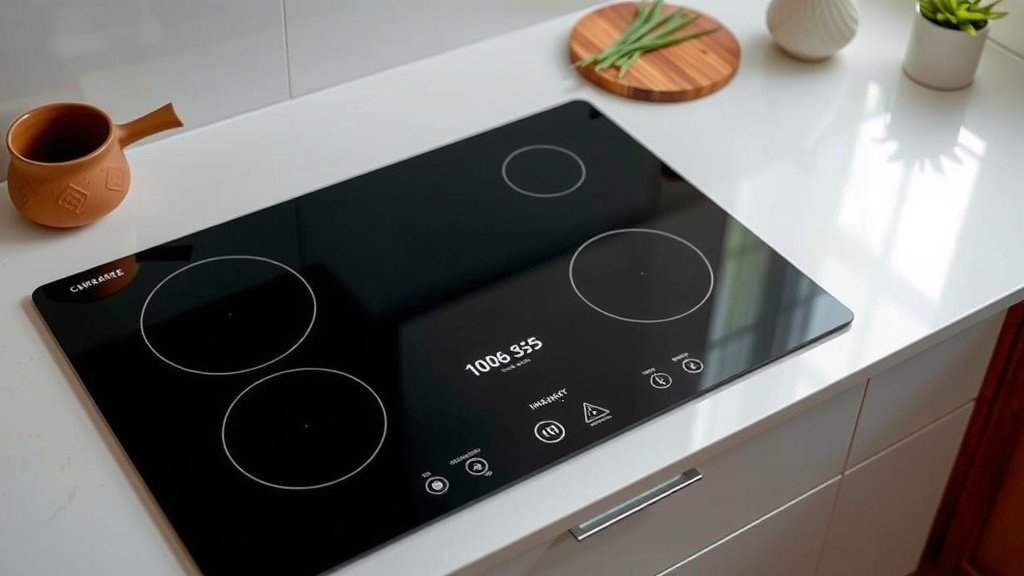
Induction Hob Not Working: Troubleshooting Guide
Your induction hob isn’t working because of a few common reasons. Often, it’s a simple issue like an unplugged cord, a tripped breaker, or the hob not being clean. We’ll help you figure out what’s wrong.
It can be frustrating when your kitchen stops working. A broken hob can disrupt your meal plans. But don’t worry, most induction hob problems are easy to fix. We’ve researched the most frequent causes.
- Check if the hob is plugged in correctly.
- See if your circuit breaker has tripped.
- Ensure the hob surface is clean and dry.
- Verify you’re using compatible cookware. Verify you’re using compatible cookware. Our guide on what is a cooker hob explains different types, including induction.
- Sometimes, a simple reset is all it needs.
Let’s walk through exactly how to troubleshoot your induction hob step by step. We’ll help you get it back up and running in no time.
“`htmlTroubleshooting Your Induction Hob When It’s Not Working
Your induction hob is acting up, and you’re wondering why. Don’t panic! We’ve researched the most common reasons why an induction hob might stop working. Often, it’s a straightforward fix you can handle yourself. Let’s get your hob back in action.
Checking the Power Supply: The First Step to a Working Hob
The most common culprit is surprisingly simple: a lack of power. Even if other appliances are working, your hob might have a dedicated circuit. A tripped breaker can cut off power just to your hob.
Is Your Hob Actually Plugged In?
This might sound obvious, but it’s worth a quick check. Make sure the hob’s power cord is firmly plugged into the wall outlet. Sometimes, it can get bumped or accidentally pulled out. A loose connection is an easy fix.
Circuit Breaker Blues
Your home’s electrical panel has circuit breakers. These protect your appliances from power surges. If a breaker for your hob has tripped, it will likely be in a different position than the others. You might see a red or orange indicator.
To reset a tripped breaker, simply push it firmly back to the “on” position. If it trips again immediately, there might be a more serious electrical issue. In that case, it’s best to call a qualified electrician. They can safely diagnose and fix the problem (National Electrical Code).
Is Your Hob Clean and Ready to Cook?
Induction hobs have safety features that prevent them from working if they detect a problem. A dirty surface can sometimes trigger these sensors. Keeping your hob clean is essential for its performance.
The Importance of a Dry Surface
Spills, especially watery ones, can affect your hob. If there’s liquid around the controls or on the cooking surface, the hob might think it’s unsafe to operate. Always ensure the hob surface is completely dry before you try to use it.
Removing Food Debris
Small bits of food can get stuck around the edges or in any control panel crevices. These can sometimes interfere with the hob’s sensors. A gentle cleaning with a soft cloth can often resolve this.
For stubborn residue, use a cleaner specifically designed for ceramic or glass-ceramic cooktops. Avoid abrasive pads or harsh chemicals, as they can damage the surface. A clean hob is a happy hob!
Cookware Compatibility: The Key to Induction Cooking
Induction hobs work by using magnetic fields. This means not all cookware will work. If your hob isn’t heating, the cookware might be the issue.
What Makes Cookware Induction-Ready?
Cookware needs to have a ferromagnetic base. This means it needs to be attracted to a magnet. Cast iron and most stainless steel pots and pans are good examples. Aluminum, copper, and glass cookware generally won’t work on an induction hob unless they have a special magnetic layer added.
How to Test Your Cookware
Grab a simple refrigerator magnet. If it sticks firmly to the bottom of your pot or pan, it’s likely induction-compatible. If the magnet barely sticks or doesn’t stick at all, that cookware won’t work on your induction hob. You’ll need to switch to compatible cookware to get things heating up.
We found that many users overlook this simple test, leading to unnecessary frustration. Using the right pots and pans is absolutely vital for induction cooking.
Understanding Error Codes and Indicators
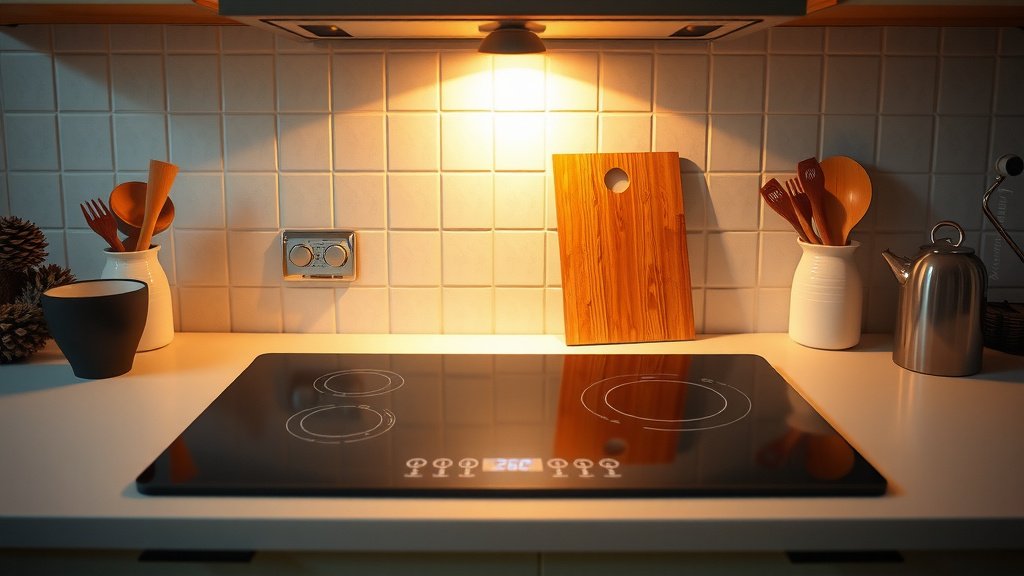
Modern induction hobs often have digital displays that show error codes. These codes are like little messages from your hob telling you what’s wrong. Consult your hob’s user manual to understand these codes.
Decoding the Symbols
For example, a symbol that looks like a padlock might indicate the child lock is engaged. A flashing light could mean the hob is too hot or that cookware is missing. Your manual will have a chart explaining each specific code or symbol. It’s your hob’s direct line to understanding the problem.
The Power of a Simple Reset
Sometimes, the simplest solution is the best. Electronic devices can occasionally get confused. A power cycle, or reset, can clear temporary glitches.
How to Perform a Hob Reset
This is similar to resetting your router when your internet is slow. First, turn off the hob at the power button. Then, find the circuit breaker that controls your hob and switch it off. Wait for about 60 seconds. After a minute, switch the breaker back on. Finally, turn your hob back on using its power button.
This process forces the hob’s internal computer to restart. We found this step often resolves minor software hiccups that can prevent operation. It’s like giving your hob a fresh start.
Is the Child Lock Activated?
Most induction hobs come with a child lock feature. This prevents accidental operation, which is great for families with small children. However, it can also stop you from using the hob if it’s accidentally activated.
Disabling the Child Lock
The method for disabling the child lock varies by manufacturer. Typically, you’ll need to press and hold a specific button or combination of buttons for a few seconds. Check your hob’s user manual for the exact instructions. It’s usually indicated by a lock symbol.
We’ve seen cases where users thought their hob was broken, only to find the child lock was engaged. Double-check this before assuming a more serious issue.
When to Call in the Professionals
If you’ve gone through these steps and your induction hob still isn’t working, it might be time to get professional help. There could be an issue with the hob’s internal components or your home’s wiring that requires an expert.
Signs It’s Time for a Technician
Some indicators that you need a professional include:
- The hob still doesn’t turn on after checking the power and resetting.
- The circuit breaker trips repeatedly.
- You see persistent error codes that your manual can’t help with.
- There are strange noises or smells coming from the hob.
- Visible damage to the hob’s surface or controls.
Contacting the manufacturer’s customer support or a qualified appliance repair technician is the next step. They have the tools and expertise to diagnose and fix more complex problems safely.
Quick Checklist: Getting Your Induction Hob Back Online
Here’s a quick rundown to get you started:
- Check the plug: Ensure it’s securely in the wall socket.
- Inspect the breaker: Make sure your hob’s circuit breaker hasn’t tripped.
- Wipe it clean: A dry, clean surface is key.
- Test your pans: Use only induction-compatible cookware.
- Look for symbols: Check for error codes or lock indicators.
- Try a reset: Power cycle the hob via the breaker.
Conclusion
It’s frustrating when your induction hob stops working, but most issues are surprisingly simple to fix. You’ve learned to check the power supply, ensure a clean and dry surface, and verify cookware compatibility. Don’t forget to look for error codes or try a quick reset. These steps can get your hob back up and running fast. If these troubleshooting steps don’t solve the problem, it’s time to reach out to a professional for expert assistance.
Frequently Asked Questions
Why does my induction hob show an error code?
Error codes are your hob’s way of telling you what’s wrong. Your user manual will have a specific guide to decode these symbols. Often, they point to issues like incorrect cookware or overheating, which are usually easy to resolve.
Can I use my regular pots and pans on an induction hob?
No, not all cookware works on induction hobs. Your pots and pans must have a magnetic base. You can test compatibility by seeing if a refrigerator magnet sticks firmly to the bottom of your cookware.
What should I do if the circuit breaker keeps tripping?
If the circuit breaker for your hob trips immediately after resetting, do not keep resetting it. This indicates a more serious electrical problem. It’s best to call a qualified electrician to inspect your home’s wiring and the hob’s connection.
My hob won’t turn on, but it’s plugged in. What else could it be?
Besides being plugged in, ensure the hob’s power switch is on and that no child lock feature is engaged. Sometimes, a simple power cycle by turning off the circuit breaker for a minute can clear minor electronic glitches.
Is it safe to clean my induction hob while it’s still warm?
No, you should always wait for your induction hob to cool down completely before cleaning. Cleaning a warm or hot surface can cause damage to the glass and potentially lead to burns. Always ensure it’s cool to the touch.