Gas Cooker Not Igniting? Common Causes & Solutions
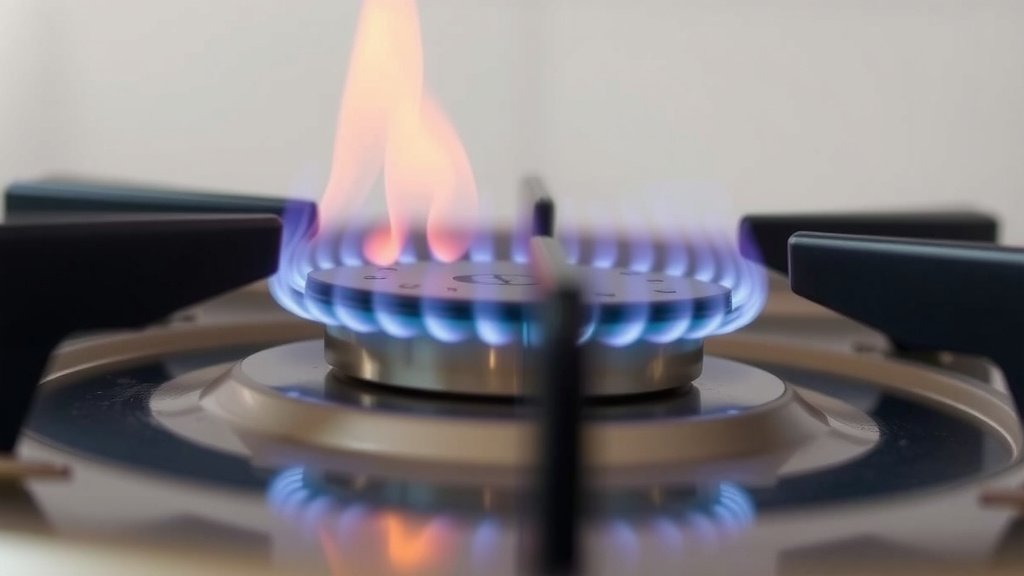
Your gas cooker not igniting can be frustrating, especially when you’re hungry. Most often, a gas cooker won’t ignite because of a blocked burner port or an issue with the igniter. Sometimes, the gas supply itself might be interrupted, which stops the flame.
We understand how annoying this can be! It’s usually something simple. Research shows that common culprits include a clogged igniter or a problem with the spark electrode. We’ve found that regular cleaning can prevent many of these ignition problems.
- Blocked burner ports are a frequent offender.
- Igniter or spark electrode issues cause no spark.
- Low gas pressure can prevent ignition.
- A faulty igniter switch is also possible.
Let’s walk through the most common reasons your gas cooker isn’t lighting and what you can do about it.
“`htmlTroubleshooting Your Gas Cooker’s Ignition Issues
It can be quite a shock when you go to turn on your gas cooker and nothing happens. No click, no spark, no flame. We know that feeling, and it’s usually something that can be fixed fairly simply. Let’s figure out why your gas cooker isn’t igniting.
Common Culprits Behind a Silent Burner
When your gas cooker refuses to light, there are a few key areas to investigate. These are the most common reasons we see, and thankfully, most are easy to resolve with a little know-how.
Blocked Burner Ports: The Sneaky Suspect
Your burner has tiny holes, called ports, that let the gas escape. If these get blocked, the gas can’t reach the igniter properly. This is a very frequent reason for ignition failure. Food debris, grease, or even cleaning product residue can build up over time.
Imagine trying to breathe through a straw with a tiny piece of food stuck in it. It’s going to be difficult, right? That’s kind of what happens with blocked burner ports. Research shows that a clogged burner is one of the top reasons for a gas cooker not igniting (Consumer Reports).
How to Clear Blocked Burner Ports
First, make sure your cooker is completely cool and the gas supply is turned off. You might need to turn off the main gas valve for your home if you’re unsure. Then, carefully remove the burner grates and caps.
You can usually lift the burner caps off. Look closely at the burner head. You’ll see those small holes. Sometimes, you can use a toothpick or a straightened paperclip to gently poke through these ports. Be careful not to enlarge the holes or damage the burner.
For stubborn clogs, a soft brush, like an old toothbrush, can help loosen debris. If you’ve cleaned them thoroughly and they’re still not igniting, the issue might be elsewhere.
The Igniter System: No Spark Means No Flame
Your gas cooker uses an igniter to create a spark that lights the gas. This system has a few parts, and any one of them can cause trouble.
The Spark Electrode: Is It Dirty or Damaged?
The spark electrode is the little ceramic piece that sits near the burner. It’s what actually creates the spark. If this is covered in grease or food gunk, the spark can’t jump to the gas. We found that a dirty electrode is a very common problem.
Cleaning the spark electrode is usually straightforward. Once again, ensure the cooker is off and cool. You can gently wipe the electrode with a soft cloth and some mild soap. If it looks cracked or damaged, it may need to be replaced. Many repair guides suggest a careful visual inspection.
The Igniter Switch: The Button’s Job
When you turn your burner knob, you activate an igniter switch. This tells the igniter system to create a spark. If this switch is faulty or dirty, it might not be sending the signal. We’ve seen instances where the switch simply isn’t making proper contact.
Loose or Damaged Wiring
The igniter system relies on electrical connections. Wires can sometimes become loose or corroded, especially in a kitchen environment with moisture and grease. A loose wire means the spark can’t get to where it needs to go. Experts often recommend checking for obvious signs of damage to the wiring harness.
Checking Your Gas Supply: Is the Fuel Flowing?
This might seem obvious, but it’s worth confirming. Your gas cooker needs a steady supply of natural gas or propane to light.
Is the Gas Valve Open?
Most homes have a shut-off valve for the gas line that feeds the cooker. Make sure this valve is fully open. Sometimes, it can be accidentally bumped or turned. We found that verifying the valve position is a simple yet effective first step.
Problems with the Regulator or Supply Line
If you have a propane tank, check if it’s empty or running low. For natural gas, there could be an issue with the main gas line to your home or a problem with the regulator that controls the gas pressure. Low gas pressure is a common cause for burners that light but don’t stay lit, or that have a weak flame.
If you suspect a problem with your home’s gas supply, it’s best to contact your gas provider or a qualified plumber. They have the tools to safely check pressure and connections. Trying to fix gas lines yourself can be dangerous.
The Cooker’s Internal Components
Sometimes, the issue lies deeper within the cooker itself.
The Igniter Module or Spark Module
This is the “brain” of the ignition system. It generates the high voltage needed to create the spark. If this module fails, you won’t get any sparks at all. Many appliance repair sites list this as a common part that can wear out over time. Replacing this part often requires a bit more technical skill.
A Faulty Burner Assembly
Less commonly, the entire burner assembly might be faulty or misaligned, preventing proper gas flow or ignition. This is more likely if a burner has been removed and reinstalled incorrectly.
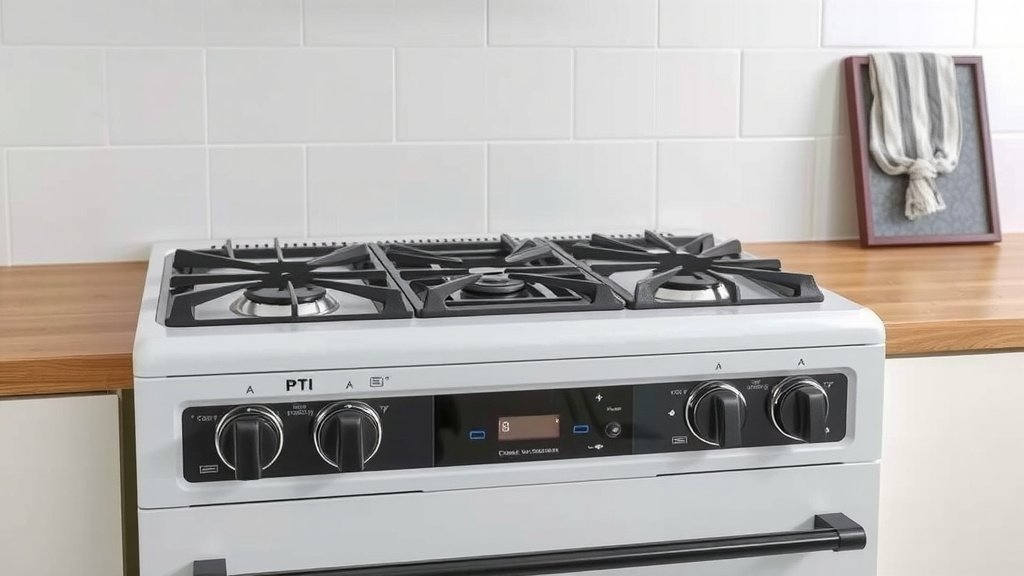
A Quick Checklist for Your Gas Cooker Ignition Problems
Let’s summarize the most important things to check:
- Ensure the gas supply valve is open and the cooker is receiving fuel.
- Inspect burner ports for any blockages and clean them gently.
- Wipe down the spark electrode to remove any grease or debris.
- Check that burner caps are correctly seated on the burner bases.
- Listen for a clicking sound when you turn the knob; this indicates the igniter is trying to spark.
- If you smell gas but see no flame, turn off the cooker immediately and call a professional.
Conclusion
It’s clear that your gas cooker not igniting usually comes down to a few common issues. You’ve learned how blocked burner ports and a dirty or damaged igniter system are frequent culprits. We also covered checking your gas supply and understanding potential internal component failures. By following the troubleshooting steps, you can often resolve the problem yourself. If you’ve tried cleaning the ports and igniter and still have no spark, it might be time to call in a professional to ensure your cooker is safe and working correctly.
Frequently Asked Questions
How often should I clean my gas cooker’s burners?
We recommend cleaning your gas cooker’s burners at least once a month, or more frequently if you notice spills or debris. Regular cleaning of the burner ports and igniter area can prevent many common ignition problems from occurring in the first place. This simple maintenance can save you a lot of hassle.
What should I do if I smell gas?
If you smell gas, turn off the burner immediately and do not try to ignite it. Open windows to ventilate the area. Do not use any electrical switches or appliances, as a spark could ignite the gas. Your next step should be to leave the house and call your gas provider or emergency services from a safe location.
Can I replace a faulty igniter switch myself?
Replacing an igniter switch can be done by some DIY enthusiasts, but it requires a good understanding of appliance repair and electrical safety. We suggest consulting your cooker’s manual or looking for specific repair videos for your model. If you’re not comfortable with electrical work, it’s best to have a qualified technician handle the replacement.
Why does my gas cooker click but not light?
If your gas cooker clicks but doesn’t light, it means the igniter system is trying to create a spark, but the gas isn’t reaching the burner properly. This usually points to blocked burner ports or an issue with the gas supply not being sufficient to ignite. Double-check your burner ports for clogs and ensure your gas supply valve is fully open.
What if only some of my burners are not igniting?
If only one or two burners are not igniting, the issue is almost certainly localized to that specific burner. Focus your troubleshooting efforts on that particular burner’s ports and spark electrode. It’s likely clogged or the electrode is dirty or damaged. The gas supply and igniter module are likely fine if other burners are working.