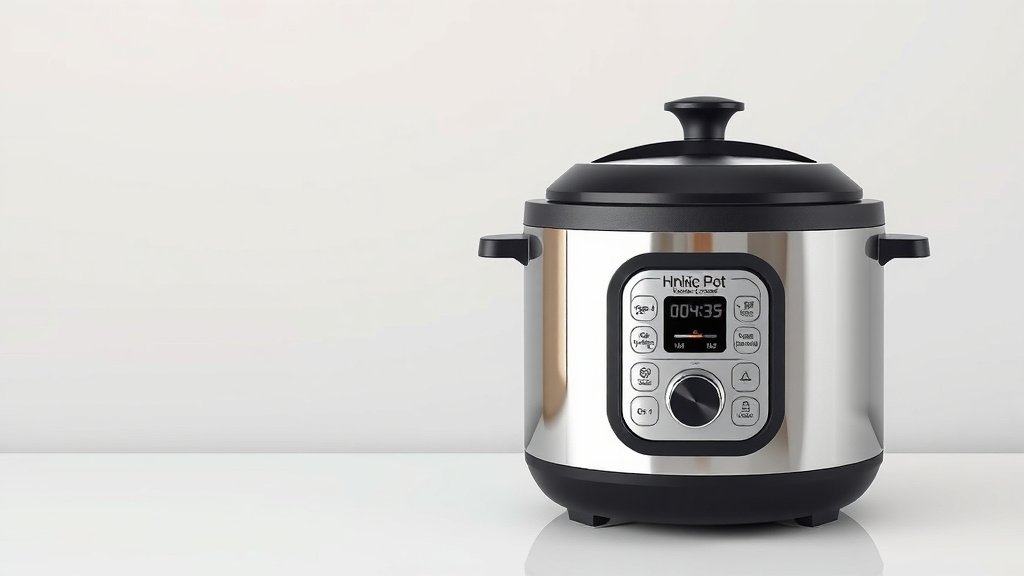
What Is an Electric Cooker? Your Complete Guide
An electric cooker is a kitchen appliance that uses electricity to cook food. It typically includes a stovetop and an oven, both powered by electrical elements. These appliances offer a convenient way to prepare meals, replacing traditional gas stoves and ovens.
Unlike gas cookers, electric models heat up using coils or smooth glass-ceramic surfaces. The oven part functions similarly, using electric elements for baking and roasting. We found that their even heat distribution makes them a favorite for many home cooks.
- An electric cooker uses electricity to heat food.
- It usually has a stovetop and an oven.
- It offers a clean and often precise way to cook.
- Many models are designed for easy cleaning.
- They are a popular choice for modern kitchens.
Ready to understand if an electric cooker is the right choice for your kitchen? We’ll break down the different types and how they work.
Understanding Your Electric Cooker Options
So, you’re curious about electric cookers! These modern kitchen workhorses have become a popular choice for many homes. They offer a reliable and often precise way to cook your favorite dishes. But what exactly makes them tick, and what types are out there?
We’ve found that electric cookers are designed to simplify your cooking experience. They use electricity to generate heat for both the stovetop and the oven. This means no open flames like you’d find with gas. It’s a cleaner and often safer way to prepare meals for your family. Let’s dive into the details.
How Electric Cookers Heat Things Up
The heart of any electric cooker is its heating element. These are special components designed to get hot when electricity flows through them. You’ll typically find two main types of heating elements on the stovetop.
Coil Burners: The Classic Choice
These are the most traditional type of electric stovetop. You’ve probably seen them before – they look like spiral metal coils. When you turn on a burner, electricity heats these coils up. The coils then transfer that heat directly to your pots and pans.
- They are generally less expensive upfront.
- They can take a bit longer to heat up and cool down.
- Cleaning can sometimes be a bit trickier due to the coils.
Smooth-Top Cooktops: Sleek and Modern
Smooth-top electric cookers have a flat, glass-ceramic surface. Underneath this smooth surface are hidden heating elements. These elements heat up, and the glass transfers that heat to your cookware. They look very stylish in a kitchen.
- They offer a sleek appearance.
- Cleaning is usually much easier. Just wipe it down!
- They tend to heat up and cool down more quickly than coil burners.
We found that the smooth-top models are often preferred for their ease of cleaning and modern look. However, they can be more prone to scratches if you’re not careful with your cookware.
The Electric Oven: Baking and Roasting Power
Just like the stovetop, the oven in an electric cooker uses electricity to create heat. There are usually two main heating elements inside the oven cavity:
- Bake Element: This is typically located at the bottom of the oven. It’s primarily used for baking.
- Broil Element: This element is found at the top of the oven. It’s used for broiling, which is like grilling food from above.
Many modern electric ovens also feature a convection fan. This fan circulates hot air evenly throughout the oven. We’ve found that convection cooking leads to more uniform results, whether you’re baking cookies or roasting a chicken.
Types of Electric Cookers You’ll Find
When shopping for an electric cooker, you’ll notice a few main categories. These are mostly distinguished by their overall design and features.
The Freestanding Range: A Versatile Option
This is probably what most people picture when they think of a cooker. A freestanding range is a single unit that includes both the stovetop and the oven. It stands on its own and can be placed almost anywhere in your kitchen with access to an electrical outlet. They are the most common type and come in various widths and finishes.
The Slide-In Range: A Built-In Look
Slide-in ranges offer a more integrated look. They are designed to slide into a countertop cutout. The control panel is typically located on the front, giving them a sleek, built-in appearance. Many homeowners prefer them for a customized kitchen aesthetic.
The Drop-In (or Insert) Range: For Custom Countertops
Drop-in ranges are less common but are designed for specific countertop installations. They sit directly into a cutout in your countertop and often have a less prominent back panel compared to slide-ins. These are usually found in kitchens with very specific cabinetry and countertop designs.
What to Consider When Choosing an Electric Cooker
Deciding on the right electric cooker involves looking at a few key factors. You want one that fits your cooking style and your kitchen space. We’ve put together a quick checklist to help you think it through.
Size and Space Requirements
Measure your kitchen space carefully! Standard electric ranges are typically 30 inches wide. Make sure you have enough room for the unit itself, plus a little extra space for ventilation. Check the manufacturer’s specifications for exact measurements.
Stovetop Type: Smooth vs. Coil
As we discussed, this is a big one. Do you prioritize easy cleaning and a modern look (smooth-top)? Or are you comfortable with a more traditional design and potentially lower upfront cost (coil)? Many experts suggest smooth-tops are easier to maintain for busy households.
Oven Features: Convection and Capacity
Think about how you use your oven. Do you bake a lot? If so, a convection oven can be a real game-changer for achieving evenly baked goods. Also, consider the oven’s capacity – how much food do you typically need to cook at once? Larger families might need a bigger oven.
Energy Efficiency
Electric cookers, like other appliances, have energy ratings. Look for models with good energy efficiency ratings to help save on your electricity bills over time. The U.S. Department of Energy provides guidelines on energy usage for appliances.
Cleaning and Maintenance
Let’s be honest, nobody loves cleaning the kitchen. Consider how easy the cooker will be to maintain. Smooth-top cookers are generally easier to wipe down. For coil burners, remember you can often lift them up for easier cleaning underneath.
Here’s a quick rundown to help you decide:
- Measure your kitchen space accurately.
- Decide between a smooth-top or coil stovetop.
- Consider if a convection oven is right for you.
- Check the oven’s capacity for your needs.
- Look for energy-efficient models.
- Think about how easy it will be to clean.
Conclusion
You’ve learned that an electric cooker is a versatile kitchen appliance using electricity for cooking. We’ve seen how coil and smooth-top cooktops heat your meals. You also know about the electric oven’s bake and broil elements, and the benefits of convection. Understanding the differences between freestanding, slide-in, and drop-in ranges helps you choose. By considering size, stovetop type, oven features, energy efficiency, and ease of cleaning, you can confidently select the best electric cooker for your home. Now you’re ready to make an informed decision!
Frequently Asked Questions
Are electric cookers better than gas?
Electric cookers offer a cleaner cooking environment with no open flames, which many find safer. We’ve found they often provide more even heat distribution, leading to consistent results in baking. Gas cookers, on the other hand, give instant heat control, which some cooks prefer.
How long do electric cookers typically last?
With proper care and regular maintenance, most electric cookers can last between 10 to 15 years. We found that factors like the quality of the appliance and how frequently you use it can influence its lifespan. Cleaning your cooker regularly and following manufacturer guidelines will help extend its life.
Do electric cookers use a lot of electricity?
Electric cookers do consume electricity, but modern models are becoming more energy-efficient. We’ve seen that models with good energy ratings can help manage your electricity bills. Using features like convection fans can also help cook food faster, potentially saving energy.
Can I use any type of cookware on an electric smooth-top?
For electric smooth-top cookers, it’s best to use cookware with flat bottoms for optimal heat transfer. We recommend avoiding cast iron or ceramic cookware that could scratch the glass surface. Stainless steel, copper-bottomed, and anodized aluminum pans usually work very well.
What is the main advantage of a convection oven in an electric cooker?
The primary advantage of a convection oven is its even heat circulation. A fan inside the oven blows hot air around, ensuring your food cooks more uniformly and often faster. We’ve found this leads to better results for baking items like cookies and roasting meats.