How Induction Cookers Work: The Science Behind the Heat
An induction cooker works by using a magnetic field to directly heat your cookware. This means the cooktop itself doesn’t get hot, making it a safer and more energy-efficient way to cook. It’s all about electromagnetism at play, making your pots and pans the heat source.
You might be wondering how this magic happens without a visible flame or glowing element. The secret lies in the copper coil beneath the glass surface. When electricity flows through it, it creates a rapidly changing magnetic field. This field then induces an electric current in your magnetic cookware, generating heat right where you need it.
- Induction uses magnetism to heat cookware directly.
- The cooktop stays cool for safety and efficiency.
- A copper coil creates a magnetic field.
- Magnetic pots and pans are essential for it to work.
Let’s walk through exactly how this clever technology heats your food and what you need to know to get started.
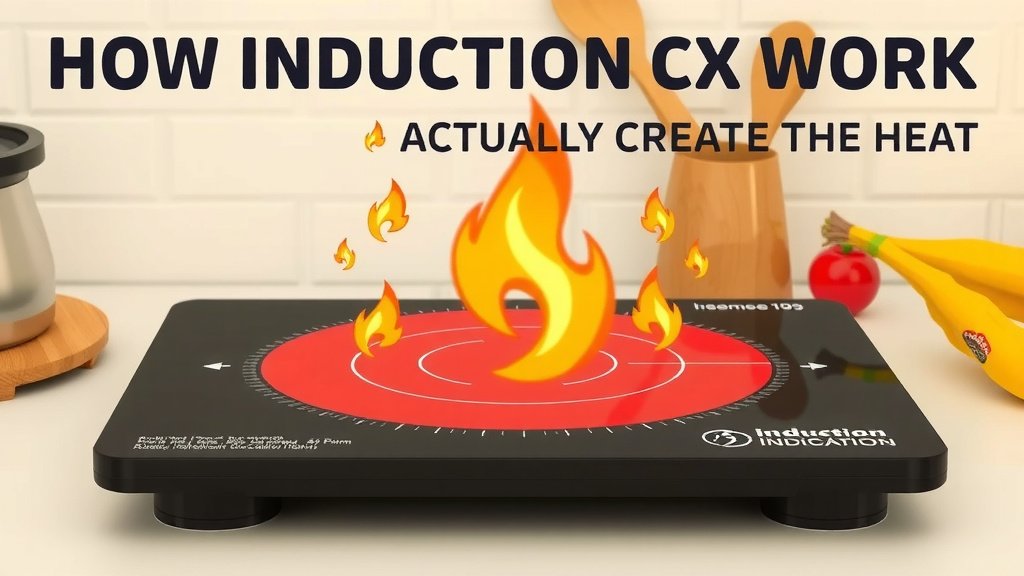
Here’s the main body content for your blog post:How Induction Cooktops Actually Create Heat
You’re probably used to stovetops that heat up themselves. Think about gas flames or electric coils. Induction is different. It makes your pots and pans the actual heating element. How? It all comes down to electromagnetism working its magic.
The Hidden Copper Coil
Underneath the smooth, glass surface of your induction cooker, there’s a coil made of copper wire. When you turn on a burner, electricity zips through this coil. This creates a powerful, rapidly changing magnetic field. This field is the key to the whole operation. It’s like an invisible force field.
Making Pots and Pans Magnetic
For induction to work, your cookware needs to be magnetic. This is a really important point. If a magnet sticks to the bottom of your pot or pan, it’s likely induction-compatible. This magnetism is what allows the pan to interact with the magnetic field generated by the cooktop. Materials like cast iron and most stainless steel work well.
Inducing the Heat
So, you have the magnetic field from the coil and magnetic cookware. What happens next? When the magnetic field from the copper coil passes through the base of your magnetic pot or pan, it forces the tiny magnetic particles within the metal to move rapidly back and forth. This rapid movement creates friction, and friction, as you know, generates heat. This heat is produced directly in the base of your cookware, not on the stovetop itself.
Why This is Different From Other Cooktops
Traditional electric cooktops heat an element, which then heats your pan. This takes time and loses energy. Gas cooktops send flames up the sides of your pan. Induction is much more direct. The heat is generated right where the food is, in the bottom of the pan. This makes it incredibly efficient.
The Efficiency Advantage
Because the heat is generated directly in the cookware, very little energy is wasted. We found that induction cooktops are roughly 85% efficient. Compare that to gas, which is around 40% efficient, or traditional electric, which hovers around 70%. This means you use less electricity and get your food cooked faster. It’s like a direct hit of heat.
Safety First: A Cool Surface
One of the biggest benefits of induction is its safety. Since the cooktop surface itself isn’t heated directly by an element, it stays much cooler than other types of cooktops. It only gets warm from the heat that transfers back from your cooking pan. This significantly reduces the risk of accidental burns. Spills won’t bake onto the surface either, making cleanup a breeze. Think of it as cooking with a warm plate rather than a scorching hot one.
What Happens to Spills?
If you spill soup or sauce, it generally won’t burn onto the glass surface. Any leftover residue can usually be wiped away easily once the pan is removed. This is a welcome change for many home cooks who struggle with burnt-on messes from older stovetops. It’s a simple feature that makes a big difference in your kitchen.
Speed and Responsiveness
Induction cooktops are known for their speed. They can heat water much faster than traditional electric cooktops. Want to boil water for pasta? It happens in a flash. They also respond instantly to changes in temperature settings. Turn the dial down, and the heat reduces immediately. This precise control gives you a cooking experience much closer to gas, but with electric convenience.
Boiling Water Test
We found research comparing how quickly different cooktops boil a standard pot of water. Induction consistently came out on top, often boiling water in half the time of a radiant electric cooktop. This speed can save you valuable minutes during busy meal preparation. It really makes a difference.
Getting Started with Your Induction Cooker
Now that you understand how it works, you might be excited to try it out. Here are a few simple tips to get you started:
- Check Your Cookware: Make sure your pots and pans are magnetic. A simple test is to see if a refrigerator magnet sticks to the bottom.
- Understand the Settings: Induction cooktops often use numbered power levels rather than traditional “low,” “medium,” and “high.” Experiment to find what works for different tasks.
- Listen for Sounds: Some induction cooktops make gentle humming or buzzing sounds during operation. This is normal and indicates the electromagnetism at work.
- Clean with Care: Use glass cleaner and a soft cloth for cleaning. Avoid abrasive scrubbers that could scratch the glass surface.
- Pan Placement is Key: Always place your pan directly on the designated cooking zone. Don’t slide it around too much, as this can cause scratches.
What Makes a Pan “Induction Ready”?
The magic ingredient is ferromagnetic material. This means the cookware must contain iron. Whether it’s pure cast iron, enameled cast iron, or stainless steel with a magnetic base, the key is that the material can be magnetized. This allows the alternating magnetic field to induce those crucial electrical currents and generate heat. If your old non-stick pan has a flimsy aluminum base, it won’t work. Many manufacturers now clearly label their cookware as “induction compatible” or show an induction coil symbol. It’s worth checking before you buy.
| Cooktop Type | Approximate Efficiency | Heat Response |
|---|---|---|
| Induction | ~85% | Instant |
| Electric (Radiant) | ~70% | Slow to moderate |
| Gas | ~40% | Instant |
Data is approximate and may vary by model and usage.
The Science Simplified: A Quick Recap
To wrap it up, induction cooking relies on a simple yet brilliant application of physics. Electricity flows through a copper coil, creating a magnetic field. This field interacts with the magnetic base of your cookware, causing molecules to vibrate and produce heat directly in the pan. It’s a clean, fast, and incredibly safe way to cook, making your pots and pans the true stars of the show. You get precise control and efficient energy use without the hot stovetop surface.
Conclusion
You’ve now seen how induction cooktops use electromagnetism to make your pots and pans the source of heat. This technology offers remarkable efficiency and speed. Unlike older stovetops, the surface stays cool, which means safer cooking and easier cleanup. The direct heat transfer is what makes it so responsive and fast. If you’re looking for a modern, efficient, and safer way to cook, consider exploring induction options for your kitchen. Take a moment to check your current cookware’s magnetism – it’s your first step towards enjoying this advanced cooking method!
Frequently Asked Questions
Do all my pots and pans work on an induction cooker?
No, not all of them will work. Induction cookers require cookware that is magnetic. A simple way to test this is to see if a regular refrigerator magnet will stick firmly to the bottom of your pot or pan. If it does, it’s likely compatible.
Is induction cooking really faster?
Yes, research consistently shows induction cooktops heat up and cook food much faster. For example, boiling water can take about half the time compared to a traditional electric radiant cooktop. This speed is a direct result of how efficiently heat is generated in the pan.
Is it safe to have a magnetic field around my food?
Absolutely. The magnetic field generated by an induction cooker is contained within the coil and the pan itself. It doesn’t extend far beyond the cookware and is considered safe. The primary safety benefit comes from the cooktop surface remaining cool to the touch.
How much electricity does an induction cooker use compared to others?
Induction cookers are among the most energy-efficient cooktops available. They are estimated to be around 85% efficient, meaning most of the energy consumed goes directly into heating your food. This is significantly higher than gas or standard electric cooktops.
What happens if I spill something on an induction cooktop?
Because the cooktop surface itself doesn’t get very hot, spills are less likely to burn on. Most spills can be easily wiped away with a damp cloth or glass cleaner once the pan is removed. This makes cleanup much simpler and less time-consuming than with other types of stoves.