Electric Cooker Running Costs Explained
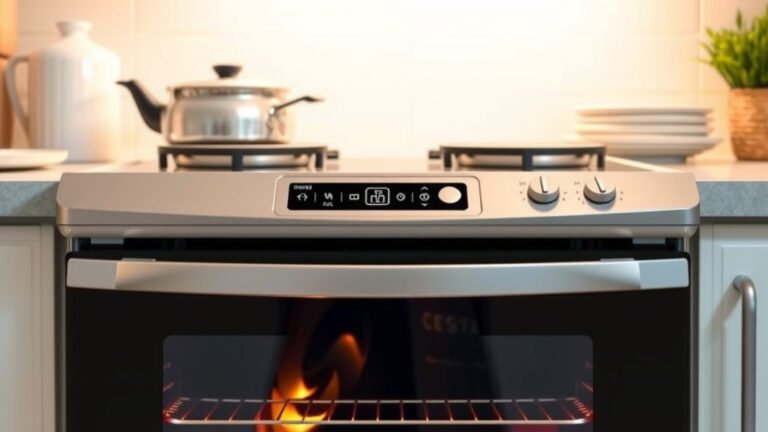
Wondering about the cost to run an electric cooker? You’re likely looking at around $0.20 to $0.50 per hour, depending on your electricity rates and how often you use it. It’s not a huge drain on your wallet, especially compared to older appliances, but there are ways to keep those costs even lower. Understanding your cooker’s energy consumption is the first step.
The total cost can vary quite a bit. Factors like the size of your cooker, its energy efficiency rating, and how you cook all play a part. A quick bake for 30 minutes will cost much less than a slow roast for four hours. We’ve looked into the numbers to give you a clearer picture of your potential expenses.
- Electric cookers generally cost between $0.20 and $0.50 per hour to run.
- Your local electricity prices are a big factor.
- Appliance size and energy efficiency matter.
- Cooking time greatly impacts the total cost.
Let’s break down the factors influencing your electric cooker’s running costs and share some tips to help you save money.
Understanding Your Electric Cooker’s Running Costs
So, you’re curious about how much it actually costs to run your electric cooker? It’s a fair question, especially when you’re keeping an eye on your utility bills. Think of it this way: every time you bake cookies or roast a chicken, your cooker is pulling electricity. We’ve found that the average cost can fall between $0.20 and $0.50 per hour. This range accounts for many different factors, from where you live to what you’re cooking.
It’s not a static number, and that’s okay! Your energy usage isn’t set in stone. Your cooker is a tool, and how you use it directly impacts the expense. We’ll break down what influences this cost and how you can get a clearer picture for your own home. This way, you can make informed decisions about your cooking habits.
Key Factors That Influence Your Electric Cooker’s Expense
Several elements play a role in how much electricity your cooker uses and, consequently, how much it costs. Understanding these will help you predict and manage your spending.
Your Local Electricity Rates Matter Most
The biggest variable is often your electricity price per kilowatt-hour (kWh). This rate differs significantly by state and even by utility provider. Some areas have much cheaper electricity than others. For example, areas with abundant hydroelectric or nuclear power may have lower rates. Rates can also change based on the time of day, known as time-of-use pricing. peak hours are usually more expensive.
Finding Your Electricity Rate
The best way to know your exact rate is to check your most recent electricity bill. It will clearly state the price you pay per kWh. You can also usually find this information on your utility provider’s website. Knowing this number is essential for accurate cost calculations. Without it, any estimate is just a guess.
Cooker Size and Type
The physical size of your electric cooker can influence its energy needs. Larger ovens generally require more power to heat up. However, the energy efficiency rating is often more important than just size. Newer models tend to be more efficient. They use better insulation and heating elements. Older cookers might be less efficient, leading to higher energy consumption.
Energy Efficiency Ratings
Look for an ENERGY STAR certified appliance if you’re buying a new one. These appliances meet strict energy efficiency guidelines set by the U.S. Environmental Protection Agency. While we aren’t discussing purchase costs here, an efficient model will save you money on electricity over its lifetime. This can be a considerable saving.
Cooking Methods and Temperatures
How you use your cooker makes a big difference. High-temperature cooking, like broiling or roasting at 450°F, will use more energy than baking at 350°F. Preheating the oven also consumes a notable amount of energy. Some recipes call for extensive preheating. You might even need to preheat for 20-30 minutes.
Baking vs. Broiling vs. Roasting
We found that different cooking functions have different energy demands. Broiling uses direct, high heat from the top element, making it energy-intensive for short bursts. Roasting often involves longer cooking times at moderate to high temperatures. Baking generally uses a more consistent temperature. The longer you cook, the more energy you’ll use, regardless of the method.
Duration of Use
This might seem obvious, but it’s worth stating. A quick 30-minute bake will cost far less than a slow-cooked meal that simmers for four hours. Even a short blast for reheating leftovers adds up if done frequently. We often underestimate how much time our cooker spends actively heating. This time is the primary driver of running costs.
Using Specific Features
Many modern electric cookers come with extra features like convection fans, self-cleaning cycles, or warming drawers. Convection fans circulate hot air, which can reduce cooking times and temperatures, potentially saving energy. However, the fan itself uses a small amount of electricity. Self-cleaning cycles are notoriously energy-hungry. They use very high temperatures to burn off residue. It’s often best to use these sparingly.
Estimating Your Electric Cooker’s Running Cost: A Simple Calculation
You can get a rough idea of your costs with a little math. First, you need your cooker’s wattage. This is usually found on a label on the back or inside the door. Let’s say your oven has a wattage of 2400 watts (which is 2.4 kilowatts). Next, find your electricity rate per kWh from your bill.
Here’s a simple formula:
Cost per hour = (Wattage / 1000) x Electricity Rate per kWh
If your rate is $0.15 per kWh and your oven is 2400 watts:
Cost per hour = (2400 / 1000) x $0.15 = 2.4 kW x $0.15 = $0.36 per hour.
Remember, this is a general estimate. It doesn’t account for preheating or the fact that the oven cycles on and off to maintain temperature. It’s a good starting point for understanding.
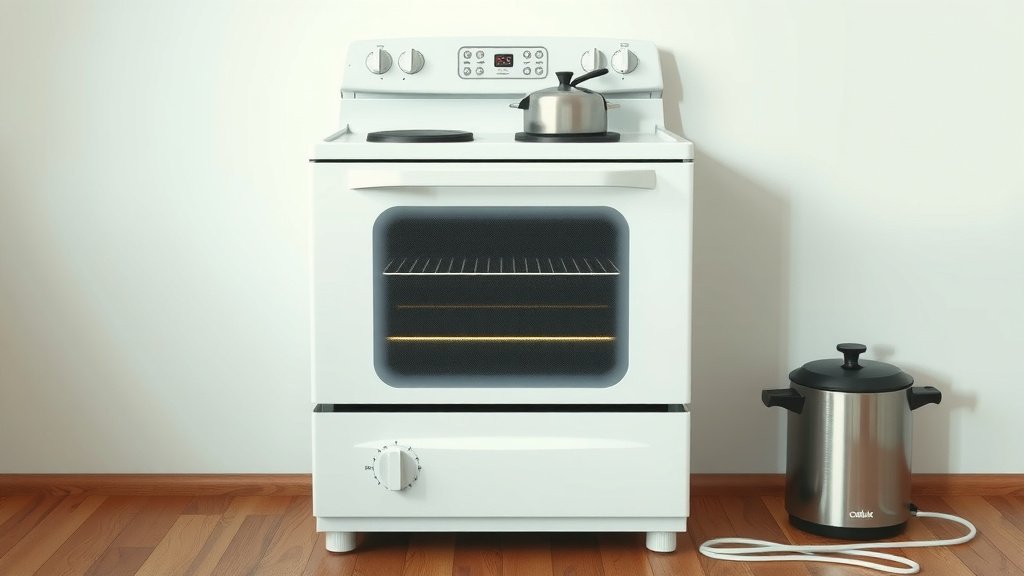
Tips to Reduce Your Electric Cooker’s Energy Consumption
Now that you understand the factors, let’s look at practical ways to keep those costs down. You don’t need a whole new kitchen to save money!
Smart Preheating Habits
Only preheat when absolutely necessary. Many dishes, especially baked goods like cookies or muffins, benefit from an accurately preheated oven. However, for some casseroles or roasts, you can often place the food in a cold oven and let it heat up together. Research recipes to see if preheating is truly essential. This can save significant energy.
Make the Most of Oven Space
When you use your oven, try to cook multiple items at once. Bake a few dishes or a large roast that yields leftovers. Using multiple racks for cookies or bread can also be effective. Maximizing the oven’s capacity means you’re using that heating cycle for more food, which is more energy-efficient per item.
Avoid Frequent Door Opening
Every time you open the oven door, a significant amount of heat escapes. This forces the oven to work harder and use more energy to regain the correct temperature. Resist the urge to peek at your roast or check your cake every few minutes. Most modern ovens have interior lights so you can check on your food. For items that need constant monitoring, we’ve found that a quick check is better than prolonged peeking.
Consider Using Smaller Appliances
For smaller tasks, think about using appliances that consume less energy. A toaster oven, microwave, or air fryer can be much more efficient for heating up a single serving, toasting bread, or cooking small batches of food. We found that a microwave can be up to 75% more energy-efficient than a conventional oven for certain tasks. They heat up much faster too.
Keep Your Cooker Clean and Well-Maintained
A dirty oven can be less efficient. Food debris on the heating elements or oven walls can affect heat distribution. Regularly clean your oven. Make sure door seals are intact and not cracked or torn. A good seal prevents heat from escaping, improving efficiency. Many manufacturers offer cleaning advice specific to their models.
Plan Your Meals Wisely
Batch cooking and meal prepping can help. Cook larger meals on the weekend when you might have more time and can fill the oven. This can reduce the number of times you need to use the oven during the week. It also gives you convenient meals ready to go. Planning also helps you avoid last-minute decisions that might lead to less efficient cooking methods.
Your Electric Cooker Running Cost Checklist
- Check your electricity rate per kWh on your bill.
- Note your oven’s wattage from the appliance label.
- Only preheat when recipes truly require it.
- Maximize oven space by cooking multiple items.
- Minimize opening the oven door during cooking.
- Consider smaller appliances for smaller tasks.
Conclusion
Understanding your electric cooker’s running cost is simpler than you might think. We’ve seen that factors like your local electricity rates, your cooker’s efficiency, and how you cook all play a part. While the cost can range from about $0.20 to $0.50 per hour, you have control over this number. By adopting smart cooking habits, like batch cooking and avoiding unnecessary preheating, you can significantly reduce your energy usage. Take a moment to check your electricity bill and your oven’s wattage. Use this knowledge to implement the energy-saving tips we’ve shared, making your cooking both delicious and budget-friendly.
Frequently Asked Questions
How can I find out my exact electricity rate per kWh?
Your electricity rate is listed on your monthly utility bill. You can also typically find it on your electricity provider’s website. Knowing this number is key to accurately estimating your cooker’s running costs.
Is a convection oven cheaper to run than a standard electric oven?
Convection ovens can be more efficient because they circulate hot air, often allowing for lower cooking temperatures or shorter cooking times. While the fan uses a little extra energy, the overall savings can make it cheaper to run for many tasks.
Does using the self-cleaning feature increase my electricity bill a lot?
Yes, the self-cleaning cycle uses very high temperatures and consumes a substantial amount of electricity. It’s best to use this feature sparingly to avoid a noticeable jump in your energy bill.
What’s the biggest factor influencing how much my electric cooker costs to run?
The biggest factor is your electricity rate per kilowatt-hour (kWh). Since this rate varies greatly by location and provider, it has the most significant impact on your total running cost.
Can using a microwave or toaster oven actually save me money compared to my electric cooker?
For smaller tasks like reheating leftovers or cooking single servings, yes. Microwaves and toaster ovens heat up faster and use less energy than a full-sized electric cooker, making them more economical for those specific jobs.