Master Your Keep Warm Setting for Perfect Food
You can easily use your appliance’s “Keep Warm” setting to maintain your food at a safe serving temperature without overcooking it. This setting is designed to hold your cooked meals at a consistent, warm temperature, typically between 140°F and 165°F (60°C and 74°C). This range ensures your food is safe to eat and ready when you are, preventing the growth of harmful bacteria while keeping it deliciously ready.
Many modern ovens and slow cookers feature this handy “Keep Warm” function. It’s a lifesaver for busy cooks and hosts. Think of it as your personal food assistant. It keeps your dishes perfectly heated for guests arriving late or when meal times get a bit jumbled. You can confidently rely on it to keep your cooking at the ideal temperature.
- The “Keep Warm” setting holds food at a safe serving temperature.
- It prevents overcooking while keeping meals ready.
- Found on many ovens and slow cookers.
- Ideal for busy meal schedules or late guests.
Let’s dive into exactly how this convenient setting works and how you can best utilize it for your meals.
Making the Most of Your Keep Warm Setting
Understanding how to use your appliance’s “Keep Warm” setting is simpler than you might think. This feature acts like a gentle guardian for your food. It keeps it at a perfect eating temperature without turning it into a dry, tough mess. You can trust it to hold your dishes at that ideal spot, ready for when everyone’s finally gathered around the table.
We’ve all been there, right? Dinner is ready, but someone’s running late. Or maybe your morning cooking marathon ran a little ahead of schedule. This is where the “Keep Warm” setting truly shines. It takes the pressure off your timing. You can relax a bit more. Your food will be just as delicious as when it first came out of the oven or slow cooker.
How the Keep Warm Setting Actually Works
So, how does this magic happen? It’s all about temperature control. The “Keep Warm” setting doesn’t cook your food. Instead, it uses a low, steady heat. This heat is precisely calibrated. It’s designed to stay within a safe range. Most appliances aim for temperatures between 140°F and 165°F (60°C and 74°C). This is the sweet spot identified by food safety experts. It’s hot enough to slow bacterial growth. But it’s not hot enough to continue the cooking process significantly.
Think of it like a cozy blanket for your meal. It’s not a heating pad that’s going to overdo it. It’s just enough to keep things comfortable and safe. Many culinary guidelines highlight this temperature range. It’s considered the **safest zone** for holding cooked foods before serving (CDC).
The Science Behind Food Safety
Why this specific temperature range? It’s all about preventing foodborne illnesses. Bacteria multiply rapidly in the “danger zone.” This zone is typically between 40°F and 140°F (4°C and 60°C). The “Keep Warm” setting works diligently to keep your food out of this dangerous territory. By maintaining a temperature above 140°F, it significantly reduces the risk of bacteria thriving. This is a **critical factor** in serving food safely to your family and friends.
Research consistently shows that holding foods at or above 140°F is a key recommendation for food safety. This practice helps ensure that whatever you’re serving remains **delicious and safe to eat** for extended periods. It’s a simple yet effective method for busy kitchens.
Using Keep Warm on Your Oven
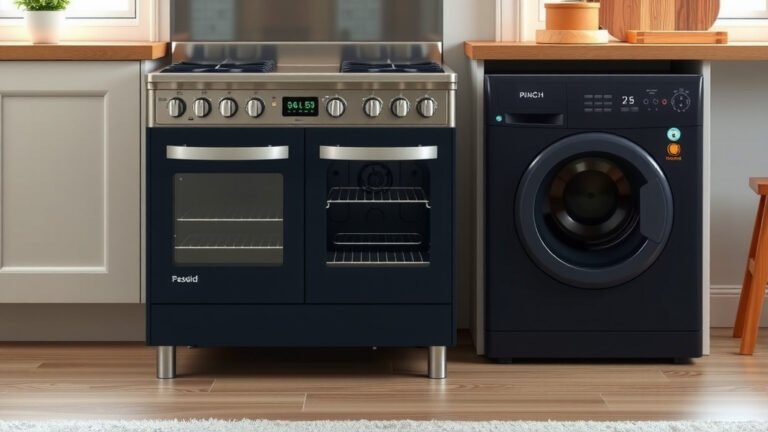
Many modern ovens come equipped with a “Keep Warm” function. You’ll usually find it as a separate button or a setting on your oven’s control panel. The exact name might vary slightly. Some might say “Warm,” “Hold Warm,” or even have a symbol representing gentle heat. Always refer to your oven’s manual for specific instructions.
Activating the Oven’s Keep Warm Mode
Once your dish is cooked, simply press the “Keep Warm” button. If your oven requires you to select a temperature, choose the lowest setting available, which should fall within the safe range. It’s that easy! Your oven will then maintain that gentle, consistent heat. This prevents your food from drying out or becoming overcooked. It’s a **fantastic feature** for holiday meals or when you’re serving a buffet-style spread.
Tips for Oven Keep Warm Success
- Make sure your dish is fully cooked before using the setting.
- Avoid opening the oven door too frequently. Each opening lets heat escape.
- Consider covering dishes loosely. This helps retain moisture, especially for casseroles or roasts.
- Check your food periodically to ensure it’s still at the desired temperature.
Utilizing the Keep Warm Feature on Your Slow Cooker
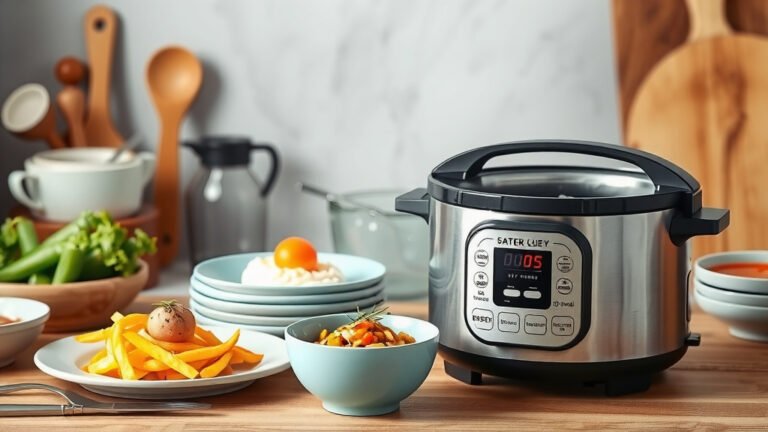
Slow cookers are often designed with busy people in mind. Many models include a “Keep Warm” setting, which is incredibly convenient. It’s perfect for those days when dinner needs to be ready for hours. Your slow cooker can handle the final stage of keeping things perfectly heated.
How to Engage Slow Cooker Warm Mode
After your food has finished cooking on its regular setting (Low or High), you can usually switch the dial or press a button to the “Keep Warm” setting. This is a **lower heat setting** than the cooking temperatures. It is specifically designed to hold food at a safe temperature without further cooking. It’s ideal for those times when mealtime is a bit flexible.
We found that many users appreciate this feature for potlucks or family gatherings. It means the dish stays ready for hours. It frees you up to mingle with guests. Your food remains **safe and appetizing**. No more lukewarm, dried-out dishes from sitting on the counter too long!
Best Practices for Slow Cooker Keep Warm
- Ensure the food is fully cooked before switching to “Keep Warm.”
- Don’t leave food on “Keep Warm” for excessively long periods. While safe, quality can eventually degrade.
- Stir food occasionally, especially thick dishes like chili or stew. This helps maintain even temperature.
- Check the consistency of your food. If it seems to be thickening too much, add a splash of liquid.
What Can You Keep Warm?
The “Keep Warm” setting is versatile. It works well for a wide variety of dishes. Think of any cooked meal that you want to serve at a consistent temperature. This includes:
- Roasts and poultry
- Casseroles and baked pasta dishes
- Soups and stews
- Chili
- Cooked vegetables
- Rice and grains
It’s important to remember that this setting is for holding already-cooked food. It is not intended for cooking raw ingredients. Trying to cook something on “Keep Warm” will likely result in undercooked and potentially unsafe food. Always ensure your food reaches a safe internal cooking temperature before engaging this function.
When Should You Use Keep Warm?
The “Keep Warm” setting is a lifesaver in several common scenarios:
- Late Arrivals: Guests running behind schedule? No problem.
- Buffet Style Meals: Keep multiple dishes at the perfect temperature for grazing.
- Flexible Meal Times: Perfect for households with varying work schedules or active kids.
- Busy Hosts: Allows you to finish last-minute preparations without worrying about the main dish.
- Meal Prep: Keep components of a meal warm if you’re serving them in stages.
Things to Avoid When Using Keep Warm
While the “Keep Warm” setting is incredibly useful, there are a few things you should steer clear of to ensure your food remains safe and delicious. We found that certain habits can undermine its effectiveness.
Don’t Cook Raw Foods
This is the most critical rule. The “Keep Warm” setting is not a cooking setting. It operates at a much lower temperature than your oven’s baking or broiling settings, and often lower than a slow cooker’s primary settings. Food safety guidelines strongly advise against cooking raw meats, poultry, or fish on a “Keep Warm” setting. They simply won’t reach a safe internal temperature. You risk bacterial growth and potential illness (FDA).
Don’t Leave Food for Too Long
While designed for holding food, there’s a limit. We recommend using the “Keep Warm” setting for a few hours at most. Most food safety experts suggest a maximum of 2-4 hours for holding cooked food at warm temperatures. Beyond that, the quality can decline, and the risk, though reduced, still exists. If you need to hold food for longer, consider safe refrigeration and reheating methods.
Don’t Ignore Your Food
Even though the setting is automated, it’s wise to check on your food periodically. Look for signs of drying out. Is the texture changing? A quick peek and perhaps a gentle stir can make a big difference in preserving quality. It ensures your meal is as appealing when served as it was when cooked.
A Quick Checklist for Perfect “Keep Warm” Use
To make sure you’re getting the most out of your “Keep Warm” setting, keep these points in mind:
- Always ensure your food is fully cooked before using “Keep Warm.”
- Confirm your appliance’s “Keep Warm” temperature is above 140°F (60°C).
- Avoid opening the oven door unnecessarily when using this setting.
- Consider covering dishes loosely to retain moisture.
- Don’t leave food on “Keep Warm” for more than 4 hours.
- Check your food periodically for quality and temperature.
Conclusion
You now know how to confidently use your appliance’s “Keep Warm” setting. It’s a fantastic tool for ensuring your meals are always ready and at a safe serving temperature. Remember, it’s about holding food, not cooking it, and keeping it above that critical 140°F mark prevents bacterial growth. Whether it’s your oven or slow cooker, this feature offers flexibility and peace of mind for any meal. So go ahead, relax and let your appliance handle the waiting game. Your next meal can be perfectly timed, no matter what life throws your way.
Frequently Asked Questions
Can I cook raw food on the “Keep Warm” setting?
No, you should never cook raw food using the “Keep Warm” setting. This function is designed for holding already cooked food at a safe temperature, not for reaching safe internal cooking temperatures. Cooking raw items on this low heat can lead to undercooked food and a risk of foodborne illness.
How long can I safely use the “Keep Warm” setting?
It’s generally recommended to use the “Keep Warm” setting for a maximum of 2 to 4 hours. While the temperature is safe, the quality of your food can start to decline if left for much longer. For longer holding times, consider safe refrigeration and reheating.
Will my food dry out on the “Keep Warm” setting?
Your food might dry out slightly, especially if using an oven’s “Keep Warm” setting. Covering dishes loosely can help retain moisture. Stirring foods like soups or stews occasionally also helps maintain consistency and prevents drying.
What’s the difference between “Keep Warm” and the lowest cooking setting on my oven?
The “Keep Warm” setting is specifically designed to maintain food at a safe serving temperature (around 140-165°F) without further cooking. The lowest cooking setting on your oven will still be hotter and is intended for actual cooking processes.
Can I put aluminum foil containers on the “Keep Warm” setting?
Yes, you can typically use aluminum foil containers on the “Keep Warm” setting in both ovens and slow cookers. Ensure the foil container is oven-safe if using in an oven. Avoid covering tightly, as a loose cover can help retain moisture without trapping too much steam.