Rice Cooker Steamed Veggies: Easy Guide
Yes, you can absolutely steam vegetables in a rice cooker! It’s a surprisingly easy and healthy way to cook them perfectly. Your rice cooker’s steam function or even a simple “cook” cycle can do the trick.
This method is fantastic for busy weeknights. It frees up your stovetop for other dishes. Plus, it helps vegetables retain more nutrients and vibrant color than boiling.
- Add water to the rice cooker pot.
- Place veggies in a steamer basket.
- Set your rice cooker to steam or cook.
- Cook until tender-crisp.
Ready to give it a try? Let’s walk through exactly how to get perfectly steamed veggies using your rice cooker.
Steaming Veggies in Your Rice Cooker: A Simple Guide
You might be surprised to learn that your trusty rice cooker can be a fantastic tool for steaming vegetables. It’s an easy, hands-off method that yields perfectly tender-crisp results. We’ll show you just how simple it is to get started.
What You’ll Need for Rice Cooker Steaming
Before you begin, gather a few essential items. You don’t need anything fancy. Most rice cookers come with the necessary accessories. This makes the process even more convenient.
The Rice Cooker Itself
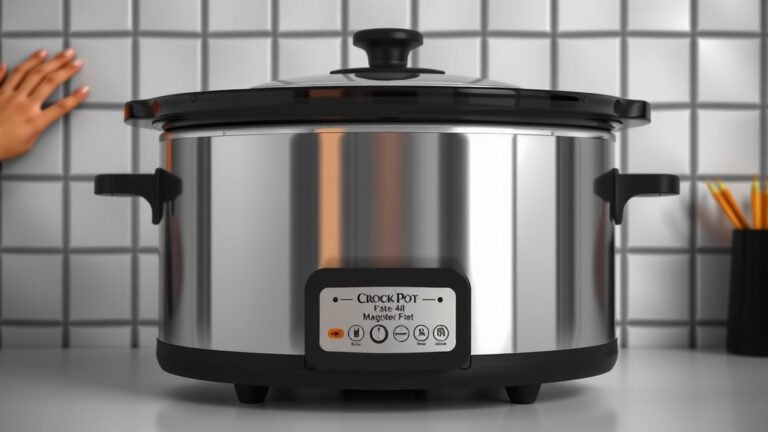
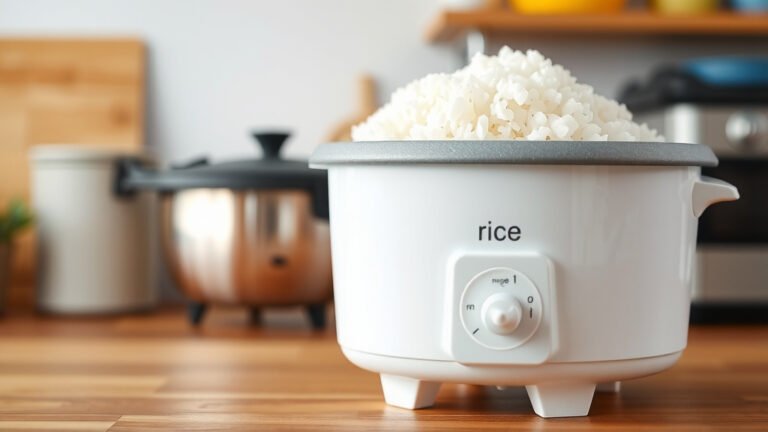
Any standard rice cooker can handle this task. Most modern models have a dedicated ‘Steam’ setting. Some might just use the regular ‘Cook’ cycle. Either way, it works beautifully. Just check your manual if you’re unsure.
The Steamer Basket or Insert
This is key to keeping your vegetables out of the water. Your rice cooker likely came with a steamer basket. It’s usually a plastic or metal insert with holes. If yours is missing, don’t worry! You can often find replacements online. Some people even use a heatproof colander that fits inside the pot.
Water
You’ll need clean, fresh water. The amount depends on your rice cooker model. Generally, you’ll fill it to a specific line or just below the steamer basket. We’ll cover the exact amounts later.
Your Chosen Vegetables
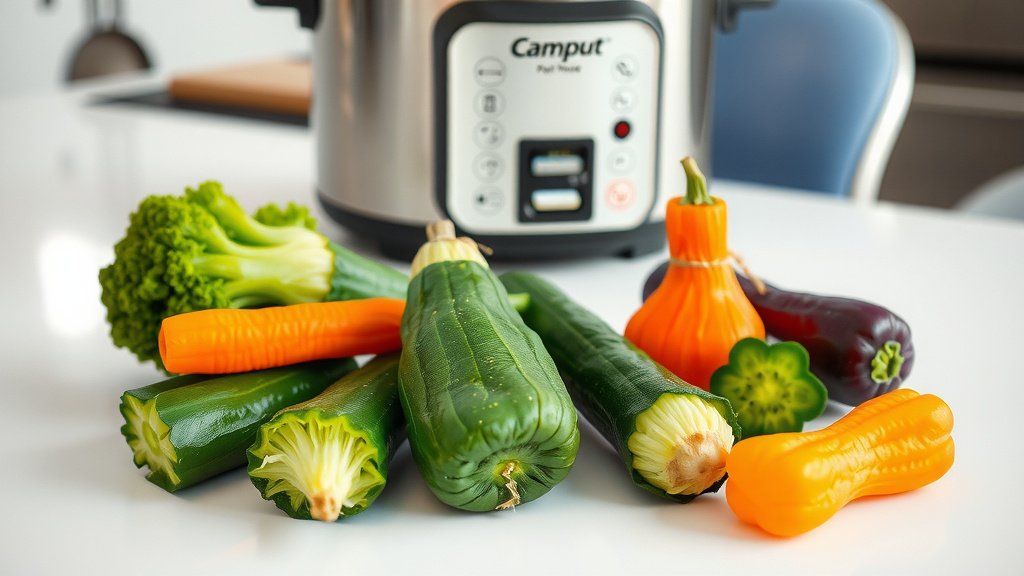
Almost any vegetable can be steamed this way. Think broccoli, carrots, green beans, asparagus, bell peppers, and even potatoes. Just wash them well. Cut larger veggies into bite-sized pieces for even cooking.
Step-by-Step: How to Steam Vegetables
Now let’s get to the good part! It’s a straightforward process. You’ll be enjoying healthy, steamed veggies in no time. Let’s break it down into simple steps.
Step 1: Add Water to the Pot
Pour the correct amount of water into the inner pot of your rice cooker. This is important. Too little water and it might burn off before the veggies are cooked. Too much water can make them soggy. Refer to your rice cooker’s manual for the recommended amount for steaming. As a general rule, many suggest filling the water to the ‘1’ or ‘2’ cup line on the inner pot. This usually creates enough steam without excess water. We found this amount to be sufficient for most common vegetables.
Step 2: Prepare Your Vegetables
Wash all your vegetables thoroughly under cool running water. Remove any dirt or debris. Then, chop them into uniform, bite-sized pieces. This helps them cook evenly. For example, cut broccoli into florets and carrots into thin rounds or sticks. This ensures that no piece is overcooked while another is still hard. Uniformity is your friend here!
Step 3: Place Veggies in the Steamer Basket
Arrange your prepared vegetables in the steamer basket. Don’t overcrowd the basket. Give the steam plenty of room to circulate around each piece. If you have a lot of vegetables, it’s better to steam them in batches. Overcrowding leads to uneven cooking, and nobody likes soggy bottoms and crunchy tops.
Step 4: Insert the Steamer Basket
Carefully place the steamer basket containing the vegetables into the rice cooker pot. Make sure the basket rests securely above the water. The water should not be touching the vegetables. This is what allows them to steam, not boil.
Step 5: Select the Steam Setting
Close the lid of your rice cooker securely. Now, select the appropriate setting. If your rice cooker has a specific ‘Steam’ function, choose that. If not, the ‘Cook’ or ‘White Rice’ setting often works. The machine will heat the water and produce steam. It will then cook the vegetables until done. Many rice cookers will automatically switch to ‘Keep Warm’ when the cycle is complete.
Step 6: Cook and Check for Doneness
The cooking time will vary depending on the type and quantity of vegetables. Harder vegetables like carrots or potatoes may take longer. Softer ones like asparagus or bell peppers will cook faster. Generally, steaming takes about 5 to 15 minutes. You can carefully open the lid (watch out for hot steam!) to check for tenderness. You’re aiming for tender-crisp. This means they should be slightly firm when you bite into them, not mushy. Many experts suggest this texture retains the most nutrients (CDC).
Step 7: Serve Immediately
Once your vegetables are perfectly steamed, carefully remove the steamer basket. Serve them hot. You can season them with a little salt, pepper, or your favorite herbs. A drizzle of olive oil or a squeeze of lemon also adds a nice touch. Enjoy your healthy and delicious side dish!
Tips for Perfect Steamed Vegetables
Want to ensure your steamed veggies are always spot-on? We’ve gathered a few extra tips based on common practices and recommendations.
Don’t Overcrowd the Basket
We mentioned this before, but it’s worth repeating! Proper airflow is essential for even steaming. If the basket is too full, steam can’t reach all the vegetables effectively. This results in some being perfectly cooked while others remain raw.
Uniform Cutting Matters
Cutting vegetables into similar sizes is a simple trick for consistent results. Think of it like getting all the crayons in the box to the same length. It helps everything cook at the same rate. This is especially true for root vegetables or tougher greens.
Timing is Everything
Pay attention to the cooking times. Different vegetables have different needs. Group similar vegetables together if you’re steaming multiple types at once. For example, broccoli florets and green beans might steam well together. Potatoes and carrots might need a few extra minutes. You can always add more delicate vegetables partway through the cooking time.
Taste and Adjust
Don’t be afraid to test a piece of vegetable for doneness. You can also add a little seasoning *after* steaming. Some people like to add a pinch of salt or a dash of garlic powder once they’re ready to serve. This helps enhance the natural flavors.
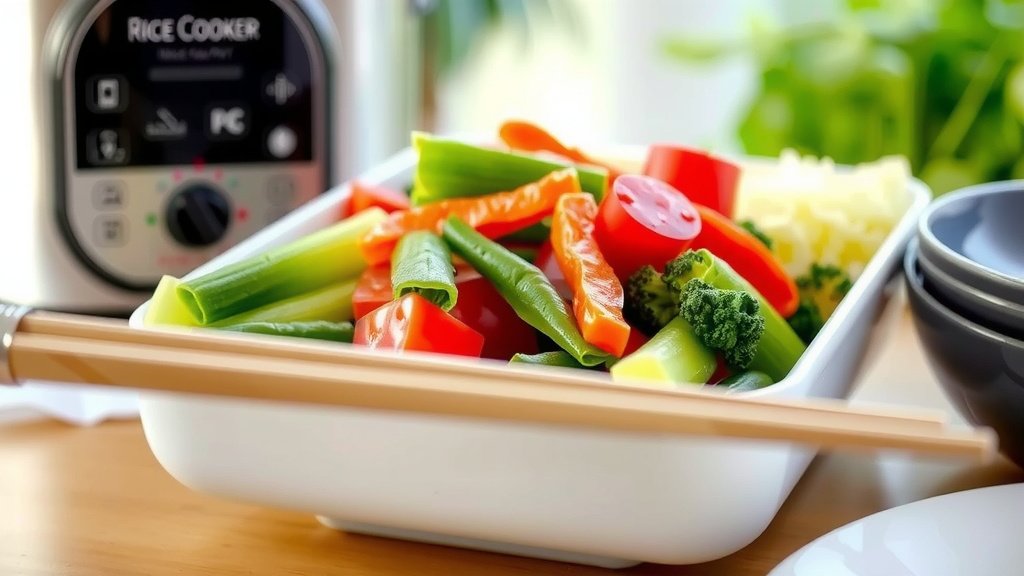
Vegetable Steaming Times Chart
Here’s a quick reference chart to help you gauge steaming times in your rice cooker. Remember, these are approximate. Your specific rice cooker and the size of your vegetable pieces can affect the actual time needed. We found this chart to be a helpful starting point.
| Vegetable | Approximate Steaming Time |
|---|---|
| Asparagus | 5-7 minutes |
| Broccoli Florets | 7-10 minutes |
| Green Beans | 7-10 minutes |
| Carrot Slices/Sticks | 10-15 minutes |
| Bell Pepper Strips | 5-8 minutes |
| Cauliflower Florets | 7-10 minutes |
| Zucchini Slices | 5-7 minutes |
Your Rice Cooker Steaming Checklist
To make things even easier, here’s a quick checklist to follow:
- Wash and chop vegetables uniformly.
- Add the recommended amount of water to the rice cooker pot.
- Place vegetables in the steamer basket, avoiding overcrowding.
- Set the rice cooker to the ‘Steam’ or ‘Cook’ function.
- Check for tender-crisp doneness around the estimated time.
- Remove carefully and serve promptly!
Conclusion
You’ve learned how surprisingly simple it is to steam vegetables in your rice cooker. This method offers a healthy, hands-off way to achieve perfectly tender-crisp results, freeing up your stove. Remember to use the right amount of water, cut veggies uniformly, and avoid overcrowding the steamer basket. Following these steps ensures you get the most nutrients and the best flavor from your vegetables. Ready to make healthy eating even easier? Try steaming your veggies in the rice cooker tonight for a delicious and nutritious side dish!
Frequently Asked Questions
Can I steam vegetables in my rice cooker if it doesn’t have a ‘Steam’ button?
Yes, you can! Many rice cookers will work just fine using the regular ‘Cook’ or ‘White Rice’ setting. The machine heats the water to create steam, which is all you need. Just check your manual to be sure, but most basic models can handle this task.
How much water should I put in the rice cooker for steaming vegetables?
This can vary by model, but a good starting point is usually the ‘1’ or ‘2’ cup line on the inner pot. You want enough water to create steam for the cooking cycle, but not so much that it touches the vegetables. Always refer to your rice cooker’s manual for specific recommendations.
What if my rice cooker didn’t come with a steamer basket?
Don’t worry! You can often find replacement steamer baskets online or at kitchen supply stores. Some people also find that a heatproof colander or sieve that fits inside the rice cooker pot can work as a makeshift steamer.
How do I know when the vegetables are perfectly steamed?
You’re looking for a tender-crisp texture. This means they should be cooked through but still have a slight bite. You can carefully open the lid (watch out for steam!) and test a piece with a fork. They shouldn’t be mushy. Check the chart provided for estimated times.
Can I steam different types of vegetables at the same time?
You can, but it’s best to group vegetables with similar cooking times. Harder vegetables like carrots or potatoes might need more time than softer ones like asparagus or bell peppers. You can add quicker-cooking veggies partway through if needed, or steam in batches for best results.