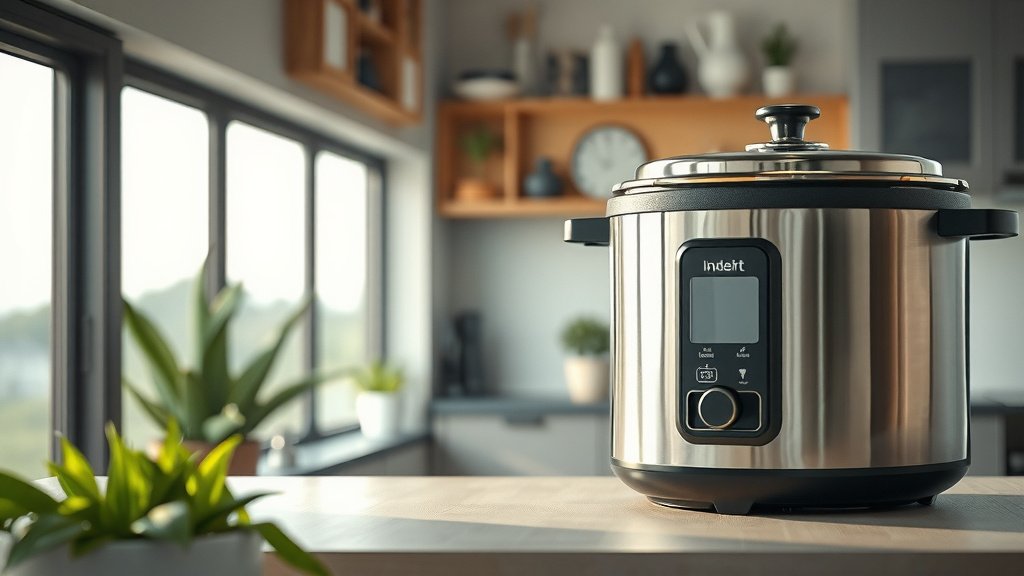
How to Depressurize Your Pressure Cooker Safely
Depressurizing a cooker is a **simple process** you can do in just a few minutes. The quickest way is to use the quick-release valve, which lets steam escape rapidly. Always remember to do this with **extreme caution** to avoid burns.
Many cooks worry about releasing pressure correctly. Doing it wrong can lead to a messy kitchen or, worse, a dangerous situation. We found that understanding the two main methods helps you manage your cooker safely and effectively. This ensures your meals are cooked perfectly and you stay safe.
- Use the quick-release valve for immediate pressure release.
- Let the pressure release naturally if you have more time.
- Always keep your hands and face away from the steam.
- Never force the lid open before pressure is gone.
Ready to get your cooker ready for its next delicious meal? Let’s walk through exactly how to depressurize your pressure cooker step by step.
Safely Releasing Pressure from Your Cooker
You’ve just finished cooking a delicious meal in your pressure cooker. Now comes the critical part: letting the pressure out so you can safely open it. It might seem a little intimidating at first, but releasing pressure is a straightforward process. We found that understanding the two main methods will give you confidence. This ensures you can get to that amazing meal without any mishaps.
Understanding Pressure Release Methods
Pressure cookers work by trapping steam to build up high pressure. This increased pressure raises the boiling point of water, cooking food much faster. Once cooking is done, you need to release that trapped steam. There are two primary ways to do this: natural release and quick release. We found that knowing when to use each is key to successful pressure cooking.
1. Natural Pressure Release: The Gentle Approach
Natural release is the simplest method. It involves simply waiting for the pressure to drop on its own. You do this by turning off the heat and letting the cooker sit. The pressure will gradually decrease as the cooker cools. This process can take anywhere from 10 to 30 minutes, depending on how full your cooker is and how much liquid it contains. We found that this method is ideal for foods that benefit from gentle cooking. Think about meats like roasts, ribs, or whole chickens. Allowing them to rest in the residual steam helps to keep them incredibly tender and juicy. It’s like giving your food a final, relaxing soak before serving.
When to Choose Natural Release
You should opt for natural release when your recipe calls for it. This is often the case for delicate foods. It’s also a good choice if you aren’t in a rush. Some cooks prefer it because it seems less dramatic. You don’t have to actively do anything; just wait. We found that for tougher cuts of meat, this method helps them become more tender. It allows the fibers to relax slowly, resulting in a more succulent dish.
How to Perform Natural Release
First, turn off the heat source under your pressure cooker. Do not touch the pressure release valve. Simply let the pot sit undisturbed on the stove. You’ll notice the pressure indicator pin will eventually drop. This signifies that the pressure has completely dissipated. Once the pin is down, it is safe to open the lid. We found that making sure the pin is fully lowered is the most important step here.
2. Quick Pressure Release: The Speedy Option
The quick release method is exactly what it sounds like: a fast way to let the pressure out. This is done using the pressure release valve. You’ll turn the valve to the venting position. This allows the steam to escape rapidly. You’ll see and hear a powerful stream of steam coming out. We found that this method is best for foods that don’t need to rest. Think about vegetables, seafood, or quick-cooking grains. Releasing pressure quickly stops the cooking process immediately. This prevents these types of foods from becoming mushy or overcooked.
When to Choose Quick Release
Use quick release when your recipe specifically instructs you to do so. It’s perfect for vegetables like broccoli or green beans. You want them to be tender-crisp, not soft. Seafood also benefits from quick release. It helps maintain its delicate texture. Grains like rice or quinoa are often cooked using quick release. This stops them from absorbing too much liquid and becoming overly soft. We found that it’s a great way to control the final texture of your food.
How to Perform Quick Release Safely
This is where caution is absolutely essential. Always use a utensil, like the handle of a wooden spoon, to turn the pressure release valve. Never use your bare hands. The steam that escapes is extremely hot and can cause severe burns. We found that most manufacturers recommend keeping your hands and face away from the valve. Position yourself to the side, not directly in front of it. Carefully turn the valve to the venting position. You will hear a loud hiss as steam is released. Continue this until the pressure indicator pin drops. This confirms all the pressure has gone. We found that it usually takes about 1 to 2 minutes.
Important Safety Tips to Remember
Your safety is the number one priority when using a pressure cooker. These appliances are designed to be safe when used correctly. However, understanding a few key points will prevent accidents. We found that being aware of these tips makes the entire cooking process much more enjoyable.
Never Force the Lid
This is perhaps the most critical rule. The lid of a pressure cooker is designed to lock securely when under pressure. You will not be able to open it until the pressure has fully subsided. If you try to force it, you risk a dangerous steam explosion. Always wait for the pressure indicator pin to drop completely. We found that many cookers have a safety mechanism that prevents opening when pressurized. Still, never test this feature.
Mind the Steam
As we discussed with quick release, steam from a pressure cooker is very hot. It can cause serious burns. Always keep your hands, arms, and face away from the steam vent and the quick-release valve. When opening the lid after natural release, open it away from you. This directs any residual steam away from your face and hands. We found that standing to the side of the cooker is a good habit to get into.
Check Your Seals and Valves
Before each use, always inspect the rubber gasket or sealing ring. Make sure it’s clean, flexible, and free from cracks or damage. Also, check that the steam vent and pressure release valve are clear of any food debris. Blockages can prevent proper pressure release. We found that a damaged seal can compromise the cooker’s ability to build pressure safely. A blocked valve is a serious hazard.

Quick Checklist for Depressurizing Your Cooker
Here’s a simple checklist to follow every time you need to release pressure:
- Turn off the heat source after cooking.
- Decide: Natural release or quick release?
- For quick release, use a utensil on the valve.
- Keep hands and face away from escaping steam.
- Wait for the pressure indicator pin to drop fully.
- Only attempt to open the lid when the pin is down.
Following these steps will ensure your pressure cooker experience is both safe and successful. You’ll be enjoying your perfectly cooked meals in no time!
Conclusion
You’ve learned how to safely depressurize your cooker, whether you have time for a natural release or need a quick solution. Remember, the key is **always prioritizing safety** by keeping hands and face away from steam and never forcing the lid. We found that mastering these simple steps boosts your confidence in the kitchen. Now you can confidently tackle any recipe. Your next delicious, perfectly cooked meal is just a safe depressurization away!
Frequently Asked Questions
What if my pressure cooker’s steam release valve is stuck?
If the valve is stuck, do not force it. Turn off the heat immediately and let the cooker cool down completely for at least 30 minutes. Sometimes, residual food particles can cause a temporary blockage. If it remains stuck after cooling, consult your cooker’s manual or contact the manufacturer for assistance.
Can I use a natural release for all foods?
While natural release is gentle, it’s not always the best choice. We found it’s ideal for meats and tough cuts that benefit from slow cooking. For quick-cooking items like vegetables or seafood, a natural release might overcook them. Always check your recipe for specific pressure release instructions.
How do I know for sure that all the pressure is released?
The most reliable indicator is the pressure indicator pin. This small pin is designed to rise when the cooker is pressurized and drop completely when the pressure is gone. You should never attempt to open the lid until this pin has fully dropped down.
Is it okay to speed up natural release by cooling the pot with water?
No, this is **not recommended** and can be dangerous. Running cold water over a hot pressure cooker can cause thermal shock, potentially cracking the pot. It can also cause a sudden release of pressure that is difficult to control. Always allow natural release to happen on its own.
What’s the difference between the steam vent and the quick-release valve?
While both release steam, they function differently. The quick-release valve is a manual control you turn to rapidly vent steam for fast depressurization. The steam vent is often a designated opening where steam is released during cooking and naturally during a natural release. Using the quick-release valve is an active step for speed, while natural release relies on the cooker cooling down.