How to Store Your Pressure Cooker Safely and Efficiently
Storing your pressure cooker properly is key to keeping it in great shape for years to come. The simplest way to store it is to keep the lid upside down on the pot, or slightly ajar. This allows air to circulate and prevents the gasket from getting permanently compressed. You want to avoid a tight seal for long-term storage.
You’ve probably got a busy life. Thinking about how to store kitchen gadgets might not be top of mind. But taking a few small steps now means your pressure cooker will be ready when you are. Proper storage protects the important parts, like the lid and the rubber seal, from damage. This keeps it working efficiently for all your quick meals.
- Keep the lid upside down on the pot.
- Or store the lid slightly ajar.
- This lets air circulate freely.
- It stops the gasket from getting squashed.
- Avoid storing with the lid tightly sealed.
Below, we’ll cover the best ways to store your pressure cooker, whether it’s for a week or a month. Let’s get your cooker tucked away safely!
“`htmlCaring for Your Pressure Cooker During Storage
Proper storage is more than just putting your pressure cooker away. It’s about protecting your investment and ensuring it’s ready for your next culinary adventure. Think of it like tucking a valuable tool away safely. You want it to be in perfect condition when you need it.
We’ve all been there. A kitchen gadget gets used a lot, then it gets shoved into a cabinet. But with a pressure cooker, a little extra care can go a long way. The main goal is to prevent damage to its components, especially the lid and the sealing ring. This keeps it working efficiently and safely. Let’s look at the best ways to store it.
Where Should You Store Your Pressure Cooker?
Finding the right spot for your pressure cooker is key. You want it somewhere safe and accessible. Many people store it in a pantry, on a kitchen shelf, or even in a sturdy drawer. The most important thing is to keep it away from extreme temperatures and moisture.
Optimal Storage Locations
A **cool, dry place** is ideal. This could be a kitchen cabinet, a pantry shelf, or a dedicated storage area. Avoid storing it near heat sources like ovens or in direct sunlight. These can degrade the materials over time.
What to Avoid in Storage Spots
You want to steer clear of **damp basements** or garages where humidity can cause issues. Also, avoid stacking heavy items on top of your pressure cooker. This could bend or damage the pot or lid. Protecting the parts is the primary goal.
How to Prepare Your Pressure Cooker for Storage
Before you put your pressure cooker away, a little preparation makes a big difference. It ensures no residue is left behind and that components are positioned correctly. This simple step helps maintain its performance.
Cleaning is Essential
Always start by **thoroughly cleaning** your pressure cooker. Wash the pot and lid with warm, soapy water. Make sure to rinse everything well. Pay special attention to the rim of the pot and the lid. Any food particles left behind can attract pests or cause odors.
Don’t forget the **sealing ring (gasket)**. This is a critical part. Wash it gently and dry it completely. Many experts recommend removing the sealing ring for long-term storage. This prevents it from getting permanently compressed or misshapen. You can store it separately, perhaps in a small baggie inside the pot.
Drying Thoroughly
Moisture is the enemy of stored kitchenware. Make sure all parts of your pressure cooker are **completely dry** before storing. You can let them air dry or wipe them down with a soft cloth. Even a little dampness can lead to mold or rust over time. Research from appliance maintenance sites consistently points to thorough drying as a preventative measure.
The Best Way to Position the Lid
This is where many people wonder what to do. Should the lid be on tight? Locked? Ajar? The answer is simple and very important for your cooker’s lifespan.
Lid Upside Down for Airflow
The most recommended method is to place the lid **upside down** on top of the pot. This creates a slight gap. This gap allows air to circulate freely. It’s like giving your pressure cooker a little breathing room. This prevents that stale, trapped air smell from developing.
This method also helps **prevent the gasket** from being compressed too tightly. A compressed gasket can lose its elasticity. It might not seal properly the next time you use it. Many manufacturers suggest this method in their user manuals. It’s a simple yet effective way to preserve the sealing ring.
Lid Slightly Ajar as an Alternative
If placing the lid upside down doesn’t feel secure or practical for your specific model, you can store the lid **slightly ajar**. Just leave a small gap between the lid and the pot. This still allows for **adequate ventilation**. It achieves the same goal of preventing a tight seal and allowing air to move.
Whatever you choose, the key is to **avoid a sealed state**. A tightly sealed pressure cooker can trap moisture. It can also lead to the gasket becoming permanently flattened. This is especially true if stored this way for extended periods.
Storing Different Types of Pressure Cookers
While the basic principles remain the same, there are minor differences based on the type of pressure cooker you own. Whether it’s electric or stovetop, the storage approach is quite similar.
Electric Pressure Cookers
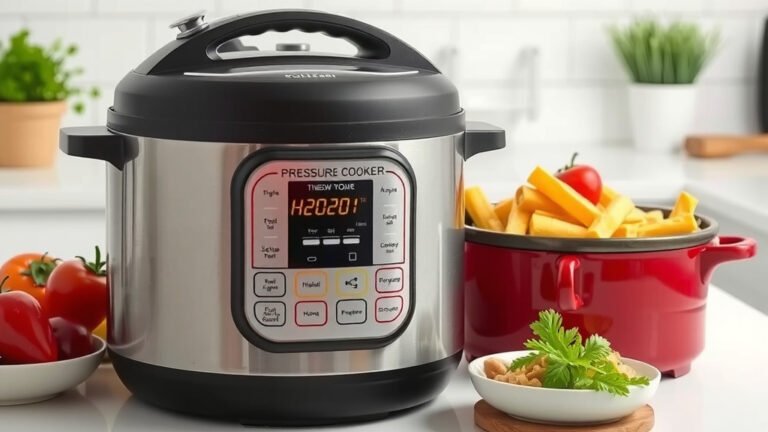
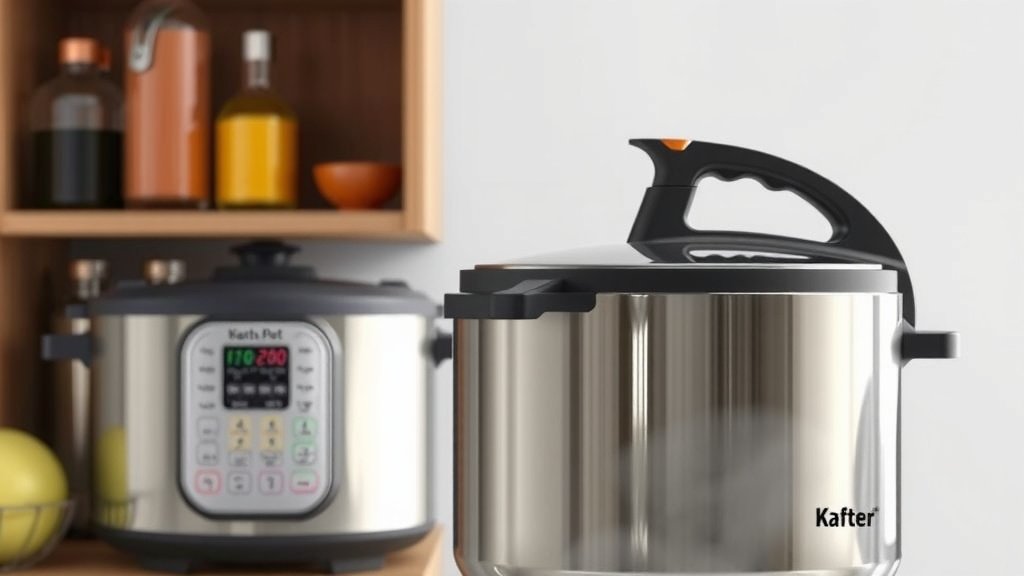
Electric pressure cookers often have a removable inner pot. It’s a good idea to store this inner pot inside the main unit. The lid can then be placed upside down on top of the cooker base. Some electric models have a place to store the cord neatly. If yours does, use it!
Stovetop Pressure Cookers
For stovetop models, the lid placement is especially critical. As we mentioned, placing the lid upside down on the pot is the best practice. Ensure no other items are placed inside the pot itself to avoid damaging the interior. Keep the accessories, like the steam valve, clean and dry.
Long-Term Storage Considerations
If you won’t be using your pressure cooker for several months, take a few extra precautions. These steps will ensure it’s in prime condition when you’re ready to cook again.
Protecting the Sealing Ring
For very long storage periods, consider **removing the sealing ring** altogether. Clean it thoroughly and dry it completely. Store it in a breathable bag or a container that doesn’t compress it. Some people wrap it in parchment paper. You can place this bag inside the pressure cooker pot.
Checking for Damage Before Storing
Before tucking it away, give your pressure cooker a quick once-over. Look for any signs of **wear and tear**. Check the lid, the pot, and the gasket for any cracks or damage. Addressing small issues now can prevent bigger problems later.
Checklist for Storing Your Pressure Cooker
Here’s a quick rundown to make sure you’ve got it covered:
- Ensure the cooker is completely clean.
- Dry all parts thoroughly.
- Place the lid upside down or slightly ajar.
- Remove and store the gasket separately for long-term storage.
- Store in a cool, dry, accessible spot.
- Avoid stacking heavy items on top.
Conclusion
You’ve learned the simple steps to store your pressure cooker so it’s always ready. Keeping the lid upside down or ajar is key for airflow. This protects the gasket and prevents odors. Always start with a clean, dry cooker. Storing it in a cool, dry spot away from heat and moisture is essential. By following these tips, you ensure your pressure cooker stays in great shape. You’ll be set for many delicious meals to come!
Frequently Asked Questions
Can I store my pressure cooker with the lid locked on?
No, you should avoid storing your pressure cooker with the lid tightly locked or sealed. This can trap moisture and cause the gasket to become permanently compressed. Research indicates this is a common cause of gasket failure over time.
How long can I store a pressure cooker without using it?
You can store your pressure cooker for months or even years, provided you prepare it properly. The key is to ensure it’s clean, completely dry, and that the lid is stored in a way that allows air circulation. For very long periods, removing the gasket is recommended.
Is it okay to store food inside my pressure cooker?
It is not recommended to store food inside your pressure cooker, even for short periods. Leftover food can spoil, attract pests, or leave odors that are difficult to remove. Always clean and dry your cooker thoroughly before storing it empty.
What should I do if my pressure cooker smells musty after storage?
A musty smell usually means moisture was trapped during storage. Wash the pot and lid thoroughly with warm, soapy water. Pay extra attention to the gasket; you may want to soak it in a baking soda and water solution. Ensure everything is completely dry before re-storing, and leave the lid ajar.
Where is the best place to store a pressure cooker if I have limited cabinet space?
If cabinet space is tight, consider storing your pressure cooker on a sturdy shelf in your pantry or even in a designated drawer. The most important factors are a cool, dry location, and ensuring nothing heavy is stacked on top of it that could cause damage.