Choosing Cooker Size for Your Family: A Smart Guide
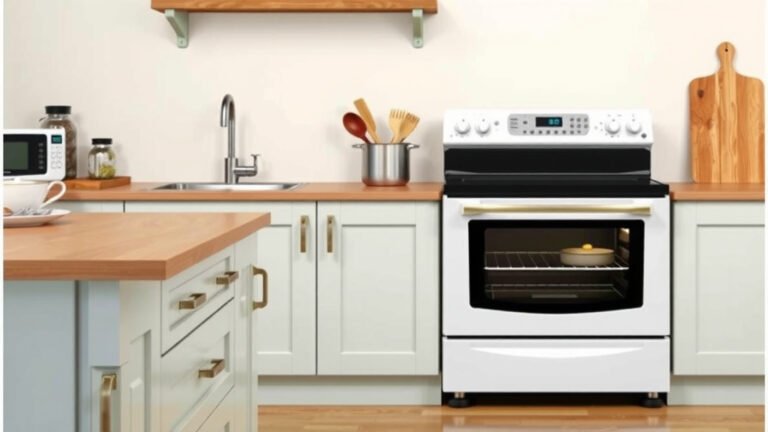
Choosing the right cooker size for your family is key. A good rule of thumb is to aim for a cooker with enough capacity for your typical meal plus a little extra. For most families, a cooker with at least 5-6 burners or heating zones and an oven capacity of 4-5 cubic feet works well. This ensures you can cook comfortably for everyday meals and occasional gatherings without feeling cramped. Don’t forget to consider your cooking habits.
When you’re shopping, think about the types of dishes you prepare most often. Do you bake a lot? Do you often host dinner parties for a crowd? These factors can influence whether you need a larger oven or more stovetop space. It’s also wise to think about the physical space in your kitchen. Measuring your available area will prevent any costly mistakes. We found that many homeowners overlook the importance of matching cooker size to their lifestyle and kitchen layout.
- Consider your family size.
- Think about your cooking style.
- Measure your kitchen space carefully.
- Look for a balance of stovetop and oven capacity.
- Don’t forget to factor in future needs.
Let’s walk through exactly how to figure out the best cooker size for your needs, so you can start cooking with confidence.
Picking the right cooker size feels like a big decision, right? You want something that fits your kitchen, your family’s appetite, and your cooking adventures. Let’s make sure you get it right!
Finding the Perfect Cooker Dimensions for Your Household
Selecting the right cooker size involves matching your lifestyle with your kitchen’s reality. It’s not just about fitting it in; it’s about how you’ll use it day-to-day.
Understanding Your Family’s Eating Habits
First, consider who you’re cooking for. A single person or a couple might only need a compact cooker. But if you have a growing family, you’ll need more space. We found that families with young children often need a bit of extra capacity for larger portions or batch cooking.
How Many People Are You Typically Cooking For?
For 1-2 people, a smaller, 24-inch wide cooker might be sufficient. If your family is 3-4 people, you’ll likely be happier with a standard 30-inch width. For larger families of 5 or more, consider going up to 36 inches or even wider if space allows. This ensures you’re not constantly juggling pots and pans.
Do You Entertain Often?
Hosting friends and family means you’ll need more cooking surface and oven space. If you love throwing dinner parties or holiday gatherings, think about how many dishes you prepare simultaneously. A bigger cooker makes this much less stressful. We’ve seen that people often underestimate their entertaining needs until they’re in the thick of it.
Stovetop Burner and Zone Considerations
The stovetop is where the magic often happens first. The number and arrangement of burners or heating zones play a big role in how efficiently you can cook.
Number of Burners/Zones
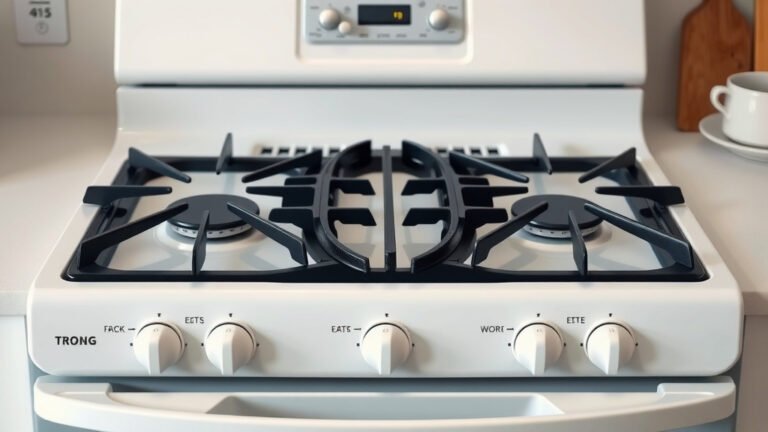
Most standard cookers come with four burners. However, many families find that five or six burners offer much more flexibility. This allows you to simmer a sauce, boil pasta, and sauté vegetables all at the same time. For induction or electric cooktops, these are often called “heating zones.”
Burner Size and Power
Think about the types of cookware you use. Do you have large stockpots for soups and stews? Or smaller pans for delicate sauces? A good cooker will have a variety of burner sizes. Look for at least one powerful “simmer” burner for low, slow cooking and one or two high-heat burners for searing. Many experts suggest having a power burner capable of handling rapid boiling.
Oven Capacity: How Much Can You Fit Inside?
The oven is your baking and roasting headquarters. Its size directly impacts what you can cook and how much at once.
What Size Oven Do You Need?
Oven capacity is typically measured in cubic feet. For a standard 30-inch wide cooker, the oven capacity usually ranges from 4 to 5 cubic feet. This is generally ample for most families, allowing you to roast a turkey or bake multiple trays of cookies.
Single vs. Double Ovens
If you frequently bake or roast multiple items at different temperatures, a double oven might be a lifesaver. You can bake a cake at 350°F in one oven while roasting vegetables at 400°F in the other. This convenience comes at a higher cost and often requires a larger cooker unit (usually 36 inches or wider).
Baking and Roasting Habits
Are you a big baker? Do you often roast large cuts of meat? If so, prioritize oven space. For those who mainly use the oven for reheating or occasional dishes, a smaller, standard oven will probably suffice. We found that people who bake frequently are often frustrated by ovens that are too small to fit multiple cake layers or baking sheets.
Gas, Electric, or Dual Fuel? How This Affects Size
The type of fuel your cooker uses can sometimes influence size options, though less so than in the past.
Understanding Cooker Types and Dimensions
Gas cookers and electric ranges come in similar width dimensions. However, dual-fuel models (gas stovetop, electric oven) might have slightly different width requirements, especially for higher-end professional-style units. Always check the specific model’s dimensions.
Measuring Your Kitchen Space Accurately
This step is absolutely critical. A beautiful, perfectly sized cooker is useless if it doesn’t fit. Don’t just guess!
Width, Depth, and Height Checks
Measure the width of the space where the cooker will go. Don’t forget to account for any cabinets or walls on either side. Check the depth, too, especially if your kitchen is tight on space. Ensure there’s enough clearance for the door to open fully. Also, measure the height to ensure it fits under any overhead cabinets or backsplashes.
Appliance Doorway and Hallway Clearance
Remember to measure the path the cooker will take to get into your kitchen. Can it fit through doorways and down hallways? This is a common oversight that can lead to major headaches (and delivery fees!).
A Quick Checklist for Cooker Size Selection
Here’s a handy checklist to keep you on track:
- Count your typical daily diners.
- Estimate your maximum entertaining guest count.
- List your most frequently cooked meals.
- Note your baking and roasting frequency.
- Measure your kitchen’s available width, depth, and height.
- Confirm doorway and hallway clearance for delivery.
By considering these points, you’re well on your way to choosing a cooker that feels just right for your home and your cooking style. Happy cooking!
Conclusion
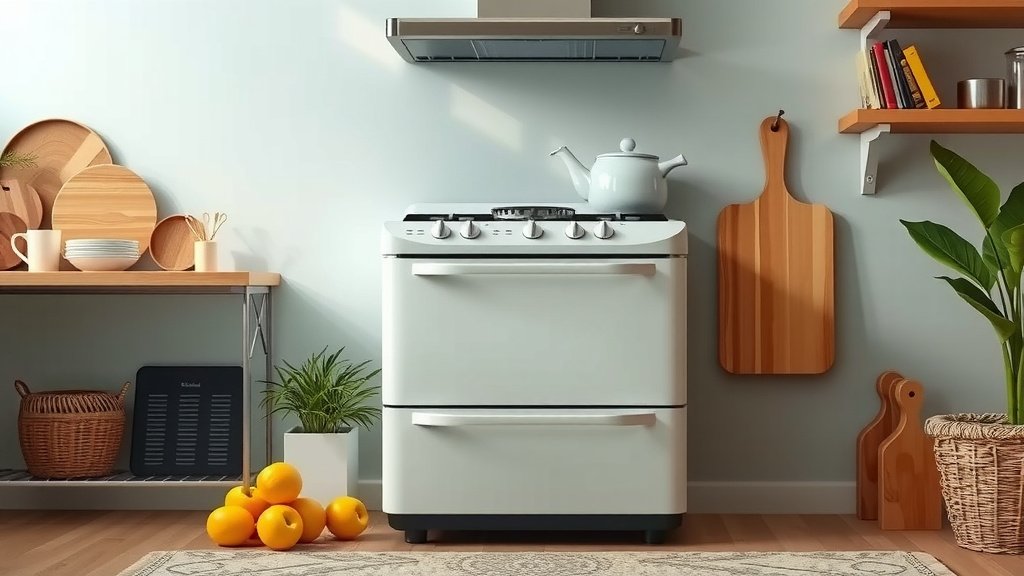
Choosing the right cooker size is about balancing your family’s current needs with your kitchen’s reality. We’ve walked through understanding your eating habits, your stovetop and oven preferences, and the essential step of measuring your space. By considering these factors, you’re setting yourself up for cooking success. Your next step is to take those measurements and start browsing models that fit your criteria. You’ll feel so much more confident cooking when your appliances truly work for you.
Frequently Asked Questions
How do I know if I need a 5-burner or 6-burner cooktop?
If you often find yourself with multiple pots and pans cooking at once, a 5 or 6-burner cooktop offers more flexibility. This is especially helpful for larger families or those who entertain frequently. We found that having that extra burner can significantly reduce stress during busy meal prep.
Is oven capacity more important than stovetop space for my family?
This depends on your cooking style. If you bake a lot or roast large items regularly, prioritize oven capacity. If you frequently cook many dishes simultaneously on the stovetop, focus on the number and arrangement of burners. Many families find a balance is best.
What if my kitchen space is quite small?
If you have limited kitchen space, look for more compact cooker models, typically around 24 inches wide. These still offer functionality for smaller households. You might need to be more strategic about how you arrange your cookware. We suggest measuring your available footprint very carefully.
Should I consider a double oven if I have a large family?
A double oven can be a huge advantage for large families or those who do a lot of baking or roasting. It allows you to cook different items at different temperatures simultaneously. However, double ovens usually come with larger cooker units, so ensure you have the space.
How does the type of fuel (gas vs. electric) affect cooker size choices?
Generally, the fuel type doesn’t drastically change the available cooker sizes. Gas and electric ranges come in similar standard widths. Dual-fuel models might offer more professional-style units that are wider, so always check the specific model’s dimensions and your kitchen’s fit.