Slow Cooker Food Finish Times Explained
Generally, food finishes cooking in a slow cooker between 4 to 8 hours. This depends heavily on your slow cooker’s heat setting, the type of food, and the amount you’re cooking. You’ll find most recipes recommend a low setting for 6-8 hours or a high setting for 3-4 hours. Understanding these timings helps you plan your meals perfectly.
The total time your food needs can change based on a few factors. Things like the size of the ingredients and whether they are frozen or fully thawed play a big role. A tightly packed cooker might also take longer to heat through evenly. So, while recipes offer a good guide, you might need to adjust slightly.
- Slow cooker cooking times usually range from 4 to 8 hours.
- Low settings typically take longer (6-8 hours) than high settings (3-4 hours).
- Ingredient size and whether they’re frozen affect cooking duration.
- Don’t be afraid to check your food for doneness near the end.
- Recipe times are a great starting point, but some adjustments might be needed.
Let’s walk through exactly how different foods and settings affect your slow cooker time, so you can nail that perfect meal every time.
How Long Does Food Really Take in a Slow Cooker?
You’ve got your ingredients prepped and ready to go. Now you’re probably wondering, “When will this deliciousness actually be done?” Understanding the general timelines for slow cooker meals is key to stress-free cooking. We found that most dishes are ready to serve between 4 to 8 hours, depending on your chosen heat setting.
Understanding Slow Cooker Heat Settings
Your slow cooker has two main heat settings: Low and High. These aren’t about getting hotter, but about how quickly they reach and maintain the optimal cooking temperature. Think of it like a slow simmer versus a gentle boil. The slow cooker itself doesn’t typically exceed the boiling point of water, but it gets hot enough to safely cook food.
The Low Setting: A Gentle Approach
The Low setting is your go-to for patience and tenderness. It takes longer to heat up, but once it does, it maintains a steady, lower temperature. This is perfect for tougher cuts of meat that need ample time to break down and become incredibly tender. We found that recipes calling for the Low setting usually suggest a cooking time of 6 to 8 hours. This longer duration allows flavors to meld beautifully, creating a rich, deep taste. It’s also a great option if you need to set it and forget it before work, knowing your meal will be ready when you get home.
The High Setting: Speeding Things Up
Need dinner a bit sooner? The High setting is your friend. It reaches the optimal cooking temperature more quickly than the Low setting. However, the actual temperature it holds is very similar to Low; it just gets there faster. Because it starts cooking sooner, the overall time is reduced. Many recipes suggest using the High setting for approximately 3 to 4 hours. This is ideal for smaller dishes, vegetables, or when you’re shorter on time but still want that slow-cooked flavor. Just remember, the heat is more intense initially, so keep an eye on things to prevent overcooking.
Factors That Influence Cooking Time
While recipes offer excellent guidance, several other elements can affect how long your food actually takes to finish. It’s like baking a cake – ingredient temperature and density matter!
Size and Density of Ingredients
The size of your ingredients plays a significant role. Larger, whole cuts of meat or big chunks of vegetables will naturally take longer to heat through and cook than smaller, diced pieces. If a recipe calls for a whole chicken, expect it to take longer than if you were cooking chicken pieces. Researchers often note that uniform sizing helps ensure even cooking, so chopping your vegetables to a similar size can be beneficial.
Frozen vs. Thawed Ingredients
Putting frozen ingredients directly into your slow cooker is a common practice, but it will definitely extend your cooking time. The slow cooker has to work harder and longer just to thaw the food before it can even begin cooking it. Many food safety experts, like those at the CDC, advise against cooking large items from frozen, as they may sit in the “danger zone” (between 40°F and 140°F) for too long, allowing bacteria to multiply.
For smaller items like frozen vegetables, it might just add an extra hour. But for large roasts or poultry, it’s safer and more efficient to thaw them completely in the refrigerator beforehand. This ensures your food cooks safely and evenly.
Amount of Food in the Cooker
How full is your slow cooker? If you’re packing it to the brim, it can actually take longer for the heat to penetrate all the food evenly. A cooker that’s one-half to two-thirds full tends to cook most efficiently. Overfilling can lead to uneven cooking and potentially undercooked food in the center. Conversely, if you only have a small amount of food, it might cook slightly faster than the recipe indicates.
The Cooker Itself: Wattage and Design
Did you know that not all slow cookers are created equal? The wattage and design of your specific appliance can influence cooking times. Older models might run hotter, while newer ones might be more energy-efficient and run cooler. Some cookers have thicker ceramic inserts that retain heat longer. It’s a good idea to get acquainted with your particular model. We found that a good way to do this is to test it with a simple recipe, noting any differences from the suggested time.
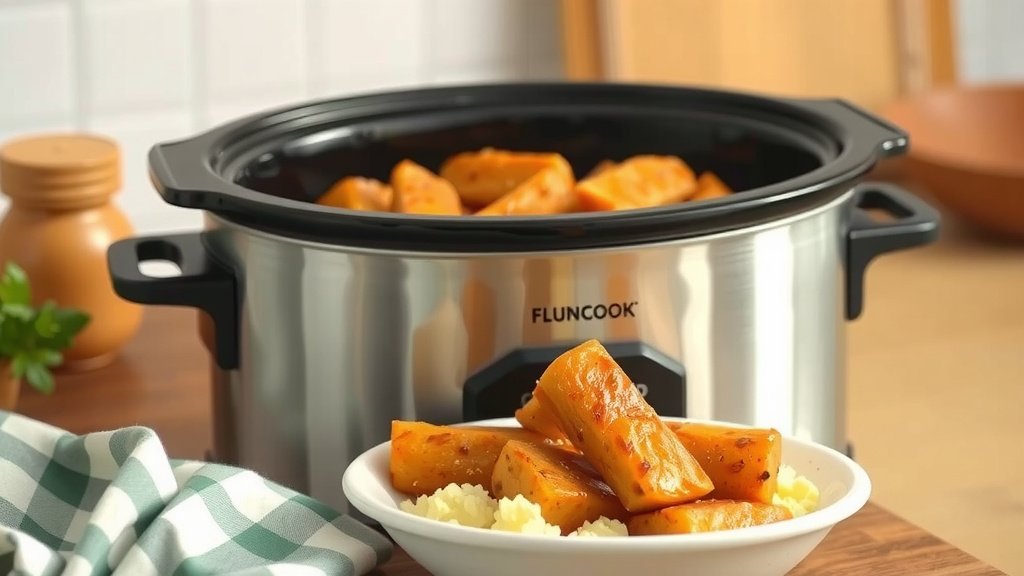
Checking for Doneness: Your Best Friend
Recipes provide a fantastic roadmap, but they are just that – a guide. The best way to know for sure when your food is finished is to check for doneness. Don’t be afraid to lift the lid (briefly!) towards the end of the suggested cooking time. Use a fork to check the tenderness of meats and vegetables. Meats should be fork-tender, meaning they shred easily. Vegetables should be tender but not mushy.
| Food Type | Low Setting (Hours) | High Setting (Hours) | Notes |
|---|---|---|---|
| Tough Meats (Roasts, Pulled Pork) | 7-9 | 4-5 | Low setting recommended for best tenderness. |
| Poultry (Whole Chicken, Breasts) | 5-7 | 3-4 | Ensure poultry reaches an internal temperature of 165°F (74°C) (USDA). |
| Soups and Stews | 6-8 | 3-4 | Can often be flexible; adjust based on ingredient tenderness. |
| Vegetables | 4-6 | 2-3 | Be careful not to overcook; they can become mushy quickly. |
| Beans (Dried) | 8-10 | 5-6 | Always ensure beans are fully cooked and tender to avoid toxins. |
A Quick Checklist for Slow Cooker Success
Want to ensure your slow cooker meals are always ready when you need them? Keep these points in mind:
- Start with thawed ingredients whenever possible.
- Chop ingredients to a similar size for even cooking.
- Don’t overfill the slow cooker; aim for two-thirds full.
- Familiarize yourself with your slow cooker’s quirks.
- Check for doneness near the end of the recipe time.
- Adjust times slightly if your cooker seems faster or slower.
Conclusion
You now have a clearer picture of when your slow cooker meals will be ready. Remember, the typical range is 4 to 8 hours, but your final cooking time is influenced by your cooker’s settings, ingredient size, and whether they’re frozen. Trusting the recipe is a great start, but your own judgment is key. Always check for doneness to ensure your food is perfectly cooked and delicious. Don’t hesitate to adjust times based on your observations. Your next perfectly timed slow cooker meal is just a recipe away!
Frequently Asked Questions
Will my slow cooker cook food faster than a recipe says?
Yes, it’s possible! Some slow cookers, especially older models or those with higher wattage, may cook hotter and faster than average. If you find your food is consistently done sooner than recipes suggest, make a note to reduce the cooking time on future attempts. You might even want to do a test run with a simple recipe to learn your cooker’s quirks.
Is it safe to cook frozen meat in a slow cooker?
While you can cook smaller frozen items like vegetables, it’s generally not recommended to cook large frozen cuts of meat or poultry in a slow cooker. Food safety guidelines suggest that frozen foods may not reach a safe internal temperature quickly enough, potentially spending too long in the “danger zone” where bacteria can grow. It’s best to thaw meat completely before slow cooking.
What’s the difference between Low and High settings if they don’t get much hotter?
The main difference is how quickly each setting reaches and maintains the target cooking temperature. The High setting gets up to temperature faster, meaning your food cooks in less time. The Low setting takes longer to heat up but maintains a steady, gentle warmth for longer periods, which is ideal for tenderizing tougher cuts of meat. Both settings will eventually cook food to a safe temperature, but at different rates.
Can I put a full slow cooker on High if I’m short on time?
You can, but be cautious. While the High setting speeds up cooking, an overfilled slow cooker still needs time for heat to penetrate evenly. If you’re cooking a full pot, especially with dense ingredients, it might take longer than a recipe’s High setting time suggests. It’s always wise to check for doneness earlier rather than later to avoid overcooking the ingredients on the edges.
How do I know if my vegetables are done in the slow cooker?
Vegetables in a slow cooker are typically done when they are tender but still hold their shape. You can test this by gently piercing them with a fork; they should offer little resistance but not fall apart. If you prefer your vegetables softer, simply let them cook a bit longer, but be mindful that they can turn mushy quickly in a slow cooker, especially on the High setting.