When to Service Your Gas Cooker: A Guide
You should service your gas cooker roughly once a year. This annual check-up helps ensure it’s running safely and efficiently. It’s the best way to catch potential issues before they become bigger problems and keep your kitchen safe. Think of it as a spa day for your stove!
Regular maintenance isn’t just about preventing breakdowns. It’s also about ensuring your gas cooker performs at its best. We found that a serviced appliance can cook more evenly and use fuel more efficiently. Plus, it gives you peace of mind knowing your appliance is in good working order, especially with gas involved.
- Service your gas cooker annually.
- Check for visible signs of wear and tear.
- Listen for unusual noises.
- Smell for gas leaks.
- Schedule professional checks regularly.
Let’s walk through the signs that indicate your gas cooker might need attention and what a professional service entails.
How Often Should Your Gas Cooker Be Serviced?
You should aim to have your gas cooker serviced at least once a year. This regular maintenance schedule is highly recommended by appliance manufacturers and safety organizations. It’s the best way to ensure your cooker is operating safely and efficiently. Think of it as a yearly health check-up for your kitchen’s hardest-working appliance.
Many people wonder if annual servicing is truly necessary. We found that a consistent yearly service can prevent many common issues. It helps catch small problems before they escalate into costly repairs or safety hazards. This proactive approach saves you time, money, and potential stress down the road. Plus, it keeps your mind at ease, knowing your gas appliance is in good working order.
Signs Your Gas Cooker Needs Immediate Attention
While a yearly service is the general rule, there are several tell-tale signs that indicate your gas cooker might need attention sooner. Paying attention to these clues can help you identify potential issues before they become serious. Let’s walk through what you should be looking out for.
Unusual Smells: The Most Critical Warning Sign
The most important thing to watch out for is the smell of gas. If you detect even a faint odor of gas, it’s a serious warning. This could indicate a leak, which is a significant safety risk. Do not ignore this smell. You should immediately stop using the appliance, ventilate the area, and call your gas supplier or a qualified engineer.
We found that most gas leaks can be detected by smell because natural gas is odorized for safety. This added scent makes it easier for homeowners to identify a potential problem quickly. If you smell gas, the first step is always to turn off the gas supply if it’s safe to do so, open windows, and leave the property. Then, call for professional help from outside your home.
Visible Signs of Wear and Tear
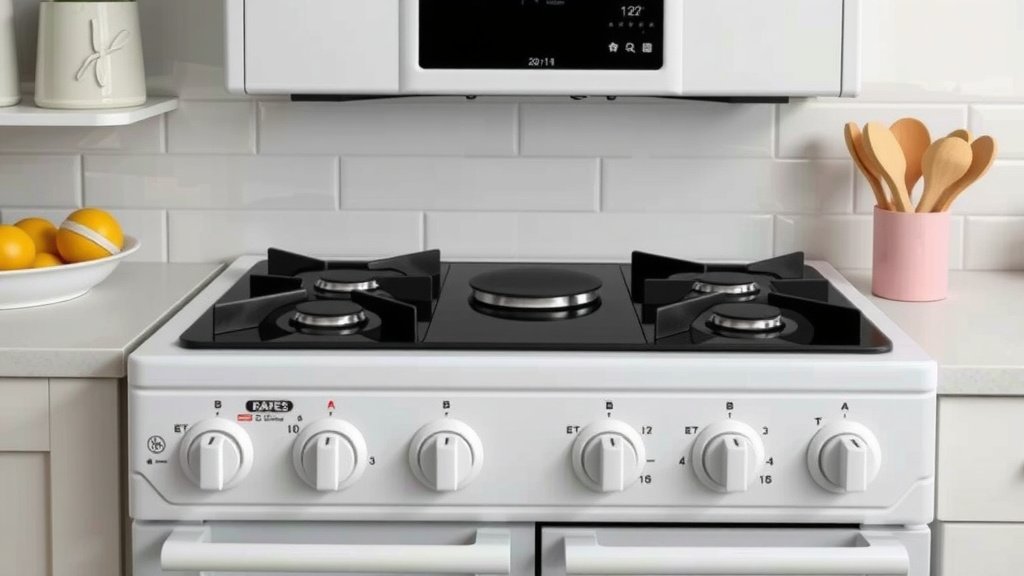
Take a good look at your gas cooker. Are there any visible signs of damage? This could include cracked burner caps, warped grates, or damaged seals around the oven door. Even small issues like these can affect performance and safety. We found that worn seals, for example, can lead to heat loss, making your oven less efficient.
Burner Problems
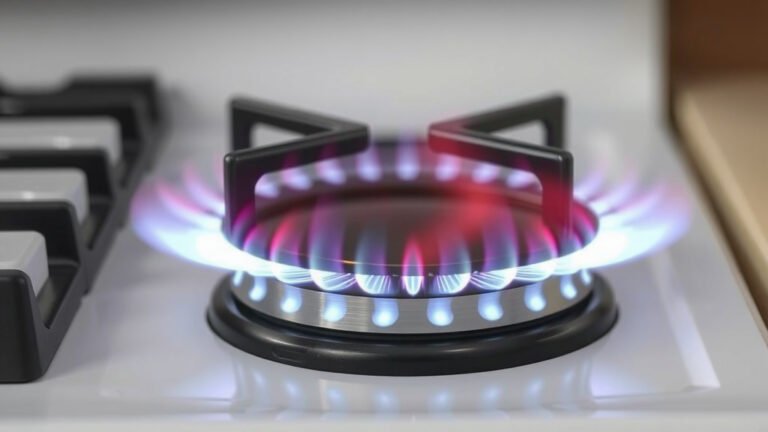
Are your gas burners behaving strangely? If a burner flame is yellow or flickers inconsistently, it might not be getting enough air or could be clogged. Ideally, the flame should be a steady, bright blue. A yellow flame means incomplete combustion, which can produce harmful carbon monoxide. This is definitely a sign you need a professional to take a look. If your gas burner flame is yellow or flickers inconsistently, you may need to adjust your gas cooker flame.
Oven Performance Issues
Is your oven taking longer than usual to heat up? Or is it not reaching the desired temperature? Inconsistent cooking temperatures can be a sign that the thermostat or heating elements need calibration or repair. We found that many users report uneven cooking when their oven hasn’t been serviced recently. This can lead to frustration and ruined meals.
Strange Noises and Operational Quirks
Listen carefully when you use your gas cooker. Are you hearing any unusual noises? This might include clicking, hissing, or banging sounds that weren’t there before. While some sounds are normal, new or persistent noises could point to a mechanical issue. A hissing sound, especially, could be a sign of a gas leak and should be investigated immediately.
Sometimes, the igniter might make a clicking sound. This is normal if the gas isn’t flowing. However, if it clicks continuously or if the ignition is sluggish, it might need adjustment. We found that many appliances develop quirks over time, and a professional can often diagnose and fix these issues during a routine service.
What Does a Professional Gas Cooker Service Entail?
When you schedule a service for your gas cooker, a qualified engineer will perform a series of checks. They are trained to identify potential problems you might miss. It’s a thorough inspection designed to ensure safety and optimal performance. Here’s a general idea of what you can expect during a service appointment:
- Gas pressure check: They’ll ensure the gas pressure is at the correct level for your appliance.
- Burner inspection: They’ll clean and check the burners for proper flame distribution and combustion.
- Ignition system check: They’ll test the igniters and ensure they are working efficiently.
- Safety valve testing: They’ll verify that all safety valves are functioning correctly.
- Internal component check: They’ll look at internal parts for wear and tear or potential issues.
- Leak test: A comprehensive check for any gas leaks within the appliance.
- Oven seal inspection: They’ll check the oven door seals for damage and proper sealing.
A professional service isn’t just about fixing what’s broken. It’s also about preventative maintenance. We found that cleaning internal components and ensuring proper airflow can significantly improve your cooker’s efficiency. This means better cooking results and potentially lower energy bills.

When to Consider Servicing Sooner Than Usual
While an annual service is the standard, there are specific situations where you might need to book a service sooner. Consider these scenarios:
- After a period of non-use: If your cooker has been unused for an extended period, it’s wise to get it checked before regular use resumes.
- After moving the appliance: Moving a gas cooker can dislodge connections. Always have it checked by a professional after relocation.
- If you’ve recently moved into a property: You don’t know the history of the appliance. A safety check is essential.
- Following a suspected gas leak: Even if the leak is resolved, a full service is recommended to ensure no other issues exist.
Think of these as “just in case” scenarios. It’s better to be safe than sorry when it comes to gas appliances. We found that many issues arise from disturbances during relocation, making a post-move inspection a smart move.
A Quick Checklist for Your Gas Cooker
Here’s a handy checklist you can use to monitor your gas cooker between professional services:
- Check for gas smells regularly.
- Observe burner flames for color and stability.
- Listen for any new or unusual noises.
- Ensure oven door closes securely.
- Wipe down surfaces and clean spills promptly.
- Test oven temperature accuracy occasionally.
These simple checks can help you stay on top of your appliance’s condition. If you notice anything concerning, don’t hesitate to contact a qualified gas engineer. Your safety and your cooking experience are worth it!
Conclusion
You’ve learned that a yearly service is your gas cooker’s best friend for safety and performance. Keep an eye out for those warning signs – a gas smell, odd burner flames, or strange noises mean it’s time to call a pro. Don’t forget the specific situations, like after moving your appliance, that call for an earlier check-up. By following these guidelines and performing simple checks yourself, you ensure your cooker runs smoothly and safely for years to come. Ready to schedule your cooker’s spa day? Contact a qualified gas engineer today to book your annual service.
Frequently Asked Questions
How long does a gas cooker service usually take?
A typical gas cooker service usually takes between 45 minutes to 1.5 hours. The exact time can depend on the type of cooker and if any minor issues are found and fixed during the appointment. Your engineer will usually let you know the estimated time beforehand.
Can I service my gas cooker myself?
It is not recommended to service your gas cooker yourself unless you are a Gas Safe registered engineer. Gas appliances require specific knowledge and tools for safe maintenance. Improper servicing can lead to dangerous gas leaks or appliance malfunctions.
What happens if I don’t service my gas cooker annually?
Skipping your annual service increases the risk of safety hazards like gas leaks or carbon monoxide build-up. It can also lead to decreased efficiency, meaning your cooker might use more gas and not cook as well. We found that preventable issues often escalate when maintenance is neglected.
Is a yellow flame on my gas burner a serious problem?
Yes, a yellow or flickering flame is a serious indicator. It suggests incomplete combustion, which can produce harmful carbon monoxide gas. This is a sign your burners may be dirty or not receiving enough air and require professional attention immediately.
My cooker is only a few years old, does it still need servicing?
Yes, even newer gas cookers should be serviced annually. While newer models may have fewer wear-and-tear issues, components can still degrade or develop faults. Regular checks ensure it continues to operate safely and efficiently from day one and helps catch potential problems early.