Rice Cooker Condensation Explained: What’s Happening
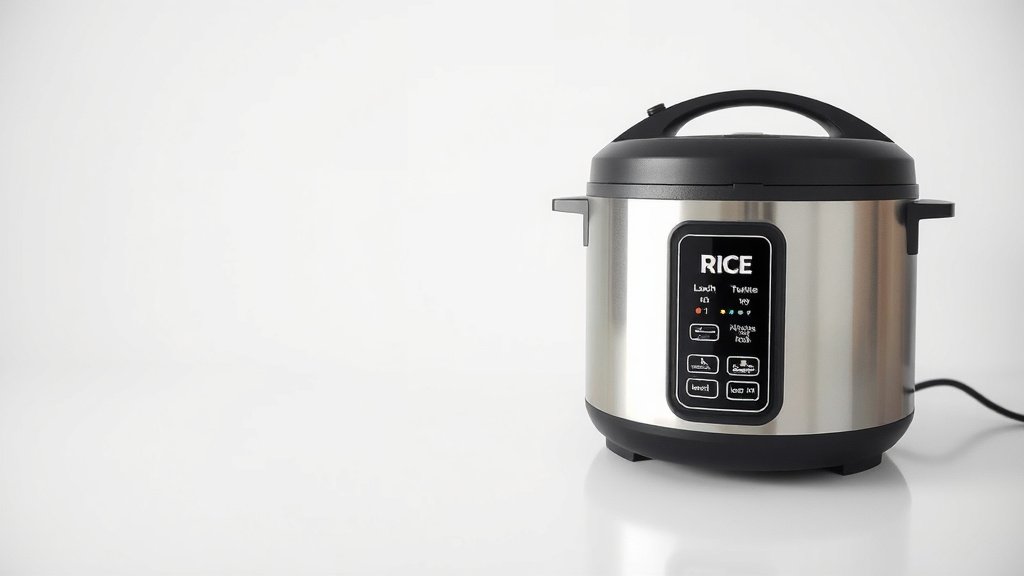
Condensation forming in your rice cooker is perfectly normal and expected. It happens because the hot steam from cooking rice cools down when it hits the cooler lid. This causes the water vapor to turn back into liquid water. So, don’t worry, your rice cooker isn’t broken!
This little bit of moisture is actually a good thing. It can help keep your rice from drying out. Think of it as a tiny, natural humidifier for your grains. Many cooks see this condensation as a sign that their rice cooker is working just as it should.
- Steam from rice turns into water droplets on the lid.
- This is normal and happens when hot vapor cools.
- Condensation helps keep rice moist while cooking.
- It’s a sign your rice cooker is functioning correctly.
- You don’t need to do anything special about it.
Let’s take a closer look at why this happens and what you might notice with your rice cooker.
Understanding Rice Cooker Condensation
You might be wondering why water droplets are forming on the inside of your rice cooker’s lid. This is a completely normal phenomenon. It’s simply a sign that your rice cooker is doing its job. Think of it like steam on your bathroom mirror after a hot shower. The science is pretty straightforward.
When you cook rice, water is heated and turns into steam. This steam is trapped inside the cooker by the lid. As the steam rises and touches the cooler surface of the lid, it loses heat. This temperature change causes the water vapor to condense back into liquid water droplets. These droplets then trickle down the inside of the lid. It’s a natural part of the cooking process, not a sign of a problem.
The Science Behind the Droplets
The process is called condensation. It happens when warm, moist air comes into contact with a cooler surface. Your rice cooker creates a perfect environment for this. Inside the cooker, the water and rice heat up. This releases a lot of steam, which is essentially water vapor. The lid of your rice cooker is usually cooler than the steam. When the steam hits the lid, it cools down very quickly. This rapid cooling forces the water vapor to change back into liquid water. These tiny water droplets form on the lid and sometimes on the sides of the cooker too.
Why It’s Expected in Rice Cookers
Rice cookers are designed to trap steam. This trapped steam is what cooks the rice evenly and keeps it moist. Unlike a pot on the stove where steam can escape, a rice cooker is much more sealed. This containment means more steam is available to condense. Many appliance manufacturers state that this condensation is a normal outcome of the cooking cycle. It’s a direct result of the effective sealing and heating mechanism.
How Condensation Benefits Your Rice
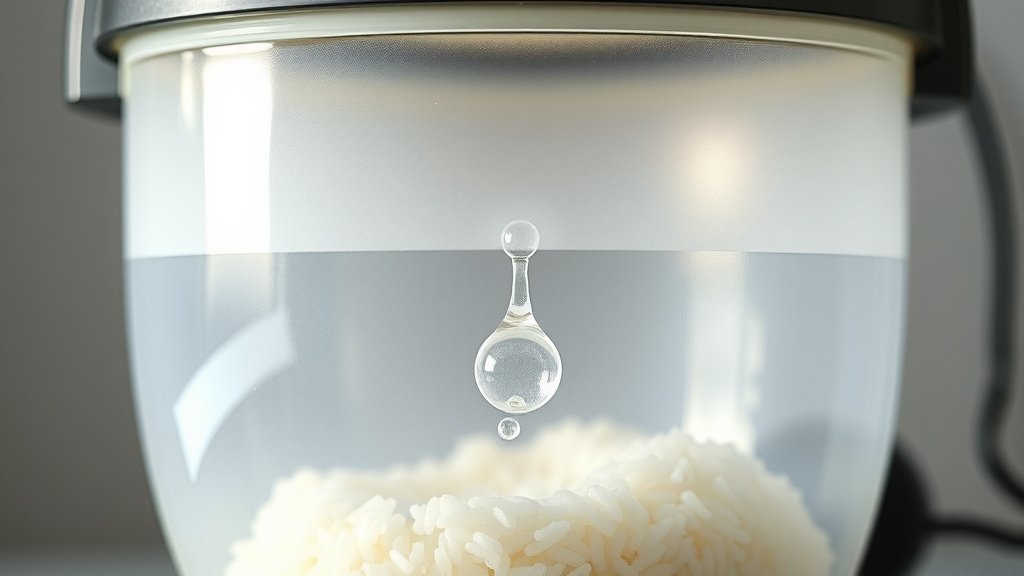
Those little water droplets aren’t just an annoyance; they actually serve a purpose. They help ensure your rice doesn’t dry out during the cooking process. The condensed water falls back onto the rice. This adds a little extra moisture. It contributes to that fluffy, perfectly cooked texture we all love. It’s like the cooker is giving your rice a gentle, continuous steaming. This prevents the grains from becoming hard or chalky.
We found that this natural re-moisturizing is key for many types of rice. It’s especially helpful for varieties that can be prone to drying out, like brown rice or certain long-grain types. Some high-end rice cookers even have special designs to manage this condensation. They might have collection channels or specific lid shapes to direct the water. But even simpler models will produce some condensation. It’s a sign your cooker is effectively steaming your rice.
What to Expect: Common Condensation Scenarios
You’ll notice condensation in your rice cooker under typical cooking conditions. There aren’t many situations where you *won’t* see it. The amount of condensation can vary slightly, but its presence is a good indicator. Let’s look at what influences it.
Factors Influencing Condensation Levels
Several things can affect how much condensation you see. The type of rice you’re cooking plays a role. Rice with a higher starch content might produce more steam. The amount of water you use is another factor. Too much water can lead to more steam and thus more condensation. The ambient temperature and humidity of your kitchen can also have a small effect. A colder kitchen might make the lid cooler, promoting more condensation.
Variations by Rice Cooker Type
Different rice cooker designs handle steam and condensation a bit differently. Basic “dumb” rice cookers often have simpler lids. These might show more visible condensation. Advanced “smart” rice cookers, like those with fuzzy logic or induction heating, can have more sophisticated lid designs. Some feature removable inner lids or steam vents that help manage moisture. Even with these features, some condensation on the main lid is still common.
Is More Condensation Bad?
Generally, no. More condensation usually just means your cooker is working efficiently. If you see a lot of water dripping, it might suggest you used a bit too much water or the lid isn’t sealing perfectly. But a few drops or a “sweaty” lid is perfectly fine. You don’t need to worry about it damaging your cooker or ruining your rice.
However, if you notice water pooling excessively or leaking out from the sides, that could indicate a different issue. It might be time to check if the lid is properly seated or if there’s any damage to the seal. Most of the time, though, that liquid on the lid is just doing its job keeping your rice happy.
Managing and Cleaning Condensation
While condensation is normal, you might still want to know how to handle it. Cleaning is usually very simple. Most of the time, you don’t need to do anything special while cooking. It’s after the cooking cycle that you’ll want to take note.
Cleaning Your Rice Cooker After Use
After your rice is cooked and you’ve served it, let the cooker cool down. The condensed water will likely have pooled on the lid or dripped down. You can simply wipe the lid dry with a soft cloth or sponge. The inner pot and the lid are usually removable for easier cleaning. Wash them with warm, soapy water. Ensure they are completely dry before reassembling. This prevents any potential water damage or mold growth.
The National Sanitation Foundation (NSF) recommends regular cleaning of all food preparation appliances. This includes your rice cooker. Washing the inner pot and lid after each use helps maintain hygiene. It also ensures your appliance lasts longer. For the exterior, a damp cloth is usually sufficient. Always unplug the cooker before cleaning its exterior.
Dealing with Excess Moisture
If you find you’re getting a lot of condensation, you can try a couple of things. First, make sure you’re using the correct amount of water. Check your rice cooker’s manual or the rice package for recommended ratios. Second, ensure the lid is closing properly. A loose lid can sometimes cause uneven heating and more steam escape.
Some people like to place a paper towel on top of the rice before closing the lid. This can absorb some excess moisture. You could also try letting the rice “rest” for a few minutes after cooking. This allows some steam to dissipate before opening the lid fully. However, for most cooks, the natural condensation is perfectly manageable without any special tricks.
Quick Condensation Checklist
- Wipe lid dry after cooking.
- Wash removable parts with soap and water.
- Ensure all parts are fully dry.
- Check water-to-rice ratio if excess moisture occurs.
- Make sure lid seals properly.
- Clean exterior with a damp cloth.
As you can see, condensation in your rice cooker is a normal, even beneficial, part of the process. It’s a sign your appliance is working as intended. By understanding why it happens, you can cook your rice with confidence. Enjoy those perfectly fluffy grains!
Conclusion
You’ve learned that condensation in your rice cooker is a completely normal part of the cooking process. It’s a natural result of steam cooling on the lid, and it actually helps keep your rice moist and perfectly fluffy. Think of those water droplets as a sign your cooker is working efficiently to steam your rice.
Don’t let a little moisture on the lid worry you. By understanding the science behind it and knowing how to easily clean up afterwards, you can ensure your rice cooker continues to make delicious rice every time. Your next step? Simply enjoy the perfectly cooked rice your cooker is designed to make!
Frequently Asked Questions
Will the condensation make my rice soggy?
Generally, no. The amount of condensation that forms is usually minimal and designed to add back just enough moisture to keep your rice from drying out. If you find your rice is consistently too wet, double-check your water-to-rice ratio first.
Can condensation damage my rice cooker?
No, condensation itself will not damage your rice cooker. The appliance is designed to handle the moisture produced during cooking. Just be sure to wipe down the lid and other parts after use to keep it clean and dry between cooking cycles.
Why is there so much condensation on my rice cooker lid?
A lot of condensation usually means your rice cooker is working very effectively to trap steam. It could also indicate you’ve used a bit more water than necessary for the amount of rice, or that the lid isn’t sealing as tightly as it could be.
Should I wipe the condensation while the rice is cooking?
It’s best not to open the lid while the rice is actively cooking, as this releases trapped steam and can disrupt the cooking process. You can wipe away condensation once the cooking cycle is complete and the rice has had a chance to rest.
Is it normal for water to drip from the lid onto the rice?
Yes, it is entirely normal for condensed water droplets to form on the lid and then drip back down onto the rice. This is part of the rice cooker’s self-moisturizing mechanism, helping to create evenly cooked, fluffy grains.