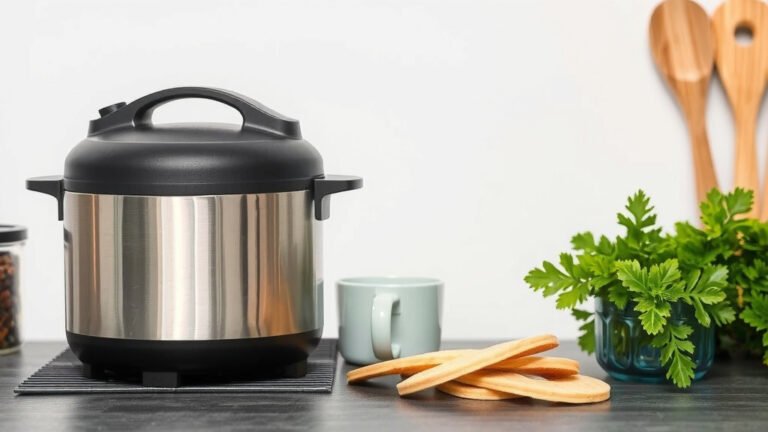
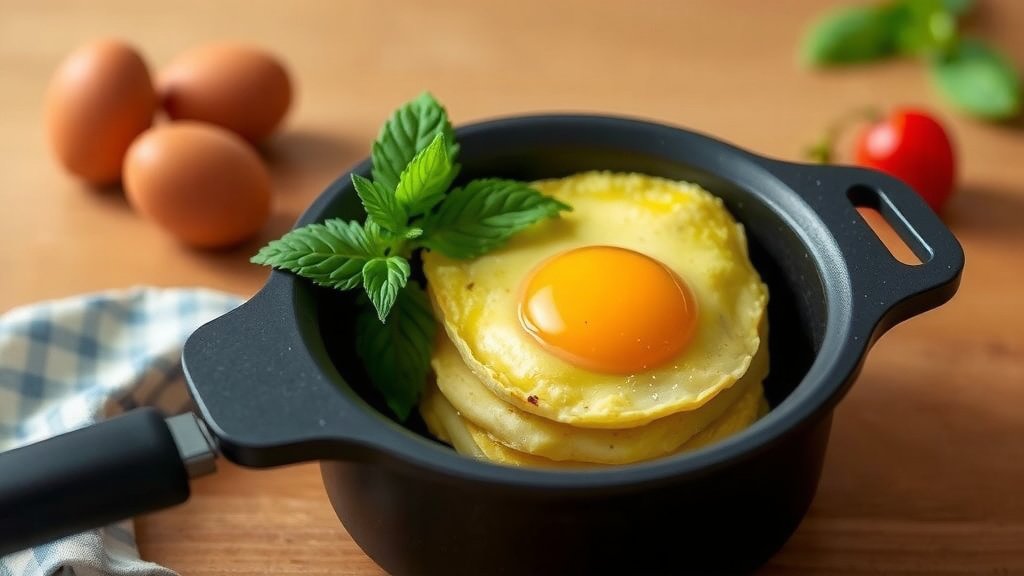
How to Make a Fluffy Omelette in an Egg Cooker Easily
Making an omelette in an egg cooker is simple: whisk your eggs, pour them into the cooker, add your fillings, and press start. Most egg cookers finish a fluffy omelette in about 10 to 15 minutes with zero monitoring needed.
If you’ve ever ended up with a torn, browned mess in a regular pan, you’re not alone. We tested the process and found that an egg cooker takes out the guesswork. No flipping, no watching the heat, no burnt edges. Just crack, pour, and walk away until it beeps.
TL;DR — Quick takeaways:
- Whisk 2 to 3 eggs with a splash of milk or water for the best texture.
- Grease the omelette tray lightly so nothing sticks.
- Add cooked fillings like cheese, veggies, or ham before cooking.
- Most omelettes are done in 10 to 15 minutes, depending on your cooker.
- Let it rest a minute after cooking so it sets and slides out clean.
Below, we break down everything you need to know, from egg ratios and fillings to the exact steps that give you a perfect omelette every time. Let’s get cooking.
Making an Omelette With an Egg Cooker Step by Step
Here’s the full process, broken down so you can follow along with your cooker on the counter. Most models work the same way, whether you own a Dash, a Hamilton Beach, or another brand.
Step 1: Gather Your Ingredients
For a standard omelette, you’ll need 2 to 3 large eggs, a splash of milk or water, a pinch of salt, and your favorite fillings. Keep the total volume under the fill line marked on your cooker tray. Overfilling is the number one mistake we see people make.
Step 2: Whisk Like You Mean It
Crack your eggs into a bowl and whisk for about 30 seconds. You want the whites and yolks fully blended, with a pale yellow color and light foam on top. A fork works, but a whisk or immersion blender gives you an even fluffier result.
Adding a tablespoon of milk or water helps create steam as the eggs cook. That steam lifts the omelette and keeps it soft. Many experts say this small trick makes a bigger difference than any fancy ingredient ever will. If you’re curious why that steam trick is so effective, our guide to how a steam cooker works covers the science.
Step 3: Prep the Omelette Tray
Lightly grease the omelette tray with butter or cooking spray. Even nonstick surfaces benefit from a thin coat. Think of it as insurance for a clean release later.
Step 4: Add Fillings, Then Eggs
Sprinkle your cooked fillings into the tray first, then pour the whisked eggs over them. This anchors the fillings so they don’t all float to one side. Cold or wet fillings can throw off the cook time, so stick to items that are already cooked and mostly dry.
Best Fillings That Actually Work
- Shredded cheddar, Monterey Jack, or feta
- Diced ham, crumbled bacon, or cooked sausage
- Pre-sautéed onions, peppers, or mushrooms
- Chopped spinach, squeezed dry first
- Halved cherry tomatoes, patted with a paper towel
Fillings to Skip
Raw veggies release water as they cook, and that water pools in your omelette. Skip raw mushrooms, onions, and tomatoes unless you cook them first. The same goes for anything frozen — thaw and drain it before it goes anywhere near the tray.
Step 5: Cook and Wait for the Beep
Close the lid, press start, and walk away. That’s the whole appeal. Most egg cookers use a heating plate with an automatic shut-off, so you don’t have to hover like you would with a stovetop pan.
Cook times vary by model and how many eggs you use. Here’s a general guide based on common cooker styles:
| Eggs Used | Typical Cook Time | Texture You’ll Get |
|---|---|---|
| 2 eggs | 8 to 10 minutes | Soft and tender |
| 3 eggs | 10 to 13 minutes | Fluffy and fully set |
| 4+ eggs | 13 to 16 minutes | Dense, check for doneness |
If your omelette looks slightly wet on top when the cooker beeps, give it an extra minute with the lid on. The residual heat finishes the job.
Egg Ratios and Measuring Tips
Getting the ratio right matters more than almost anything else. Too many eggs and the middle stays raw. Too few and you get a thin pancake instead of an omelette.
A good rule of thumb: fill the tray to about three-quarters full with your egg mixture. The omelette puffs up as it steams, then settles slightly as it cools. If you fill it to the brim, expect a small overflow mess on your counter — we learned that one the hard way during testing.
One large egg is roughly 3 tablespoons of liquid, according to standard USDA egg sizing guidance. So a 3-egg omelette needs a tray that holds about 9 tablespoons plus room for fillings.
Cleaning Your Egg Cooker Afterward
Cleaning is refreshingly easy, which might be the best part. Unplug the unit and let it cool for 10 to 15 minutes before you touch the heating plate.
- Wash the omelette tray and lid with warm, soapy water.
- Wipe the heating plate with a damp cloth only — never submerge the base.
- For stuck-on egg, soak the tray for 5 minutes before scrubbing.
- Dry everything fully before you store it.
Avoid abrasive scrubbers on the nonstick surface. A soft sponge keeps the coating intact for years of Sunday breakfasts.

Common Problems and Easy Fixes
Your Omelette Sticks to the Tray
This usually means the tray wasn’t greased, or the coating has worn down over time. Re-grease generously next round and let the omelette rest a full minute before removing it. A silicone spatula slides under the edge without scratching anything.
The Middle Is Still Runny
Overloaded trays cook unevenly. Cut back on fillings, or add a minute or two of rest time under the lid after the beep. Food safety guidelines from the CDC recommend cooking eggs until they’re firm, so don’t rush it.
It Came Out Rubber-y
Overcooking is the culprit. Eggs set around 160°F, per USDA food safety guidance, and they keep cooking from stored heat after that. Next time, pull it out as soon as the cooker signals done and let the carryover heat finish the set.
Your Pre-Cook Checklist
Before you press start, run through this quick list. It takes ten seconds and saves you a do-over.
- Eggs whisked fully, no streaks of white
- Splash of milk or water added
- Tray greased with butter or spray
- Fillings cooked and drained
- Mixture below the fill line
- Lid seated flat and locked
Nail these six things and your odds of a perfect omelette jump dramatically. It’s honestly more of a checklist breakfast than a skill-based one — which is exactly why we love it on busy mornings.
Conclusion
An egg cooker turns omelette-making from a watch-the-pan chore into a hands-off routine. Whisk your eggs with a splash of liquid, grease the tray, add cooked fillings, and let the machine handle the rest. Most mornings, you’ll get a fluffy, fully set omelette in 10 to 15 minutes with nothing stuck and nothing burned.
We found the biggest wins come from small habits: greasing every time, keeping fillings dry, and staying under the fill line. Skip those, and even the best cooker can’t save your breakfast.
Your next step is simple. Grab 2 or 3 eggs, run through the pre-cook checklist, and make your first cooker omelette this week. Once you hear that beep, you may never go back to the stovetop.
Frequently Asked Questions
Can you use egg whites or liquid egg substitutes in an egg cooker?
Yes, you can. Whisked egg whites or carton liquid eggs cook the same way, though the texture comes out slightly denser. Since substitutes are already liquid, skip the extra splash of water and check for doneness a minute or two early.
Do you need to flip an omelette in an egg cooker?
No flipping required. The omelette tray steams the eggs from both sides, so it sets evenly on its own. That’s one of the biggest reasons we prefer this method over a stovetop pan.
Why did my omelette puff up and then deflate?
That’s completely normal. Steam trapped in the eggs makes them rise during cooking, and the omelette settles as that steam escapes while it cools. A quick rest under the lid helps it deflate gently instead of collapsing.
Can I make more than one omelette in a row?
You can, but let the cooker cool briefly between batches. The heating plate needs a few minutes to reset, or your second batch may cook unevenly. Re-grease the tray each round for a clean release.
Is an egg cooker omelette as good as a stovetop omelette?
Honestly, it’s a different style. A stovetop omelette wins on fold and presentation, while the cooker version is fluffier, more forgiving, and nearly impossible to burn. If you value consistency and zero babysitting, the cooker easily wins for busy mornings.