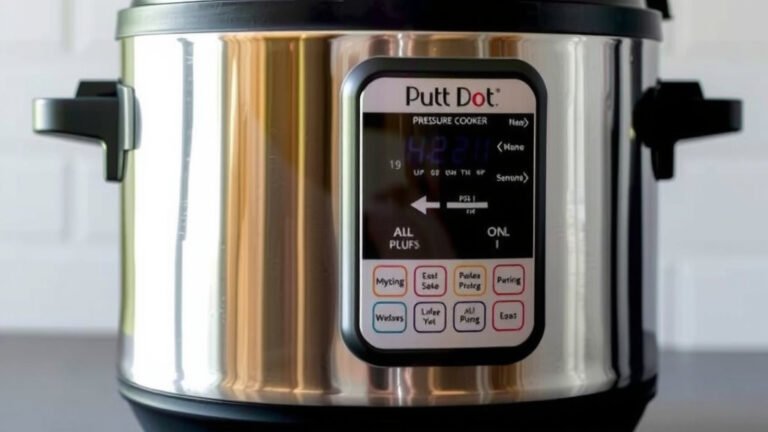
Sparkling Clean Stainless Steel Cooker: Easy Guide
The easiest way to clean your stainless steel cooker is with a simple mixture of dish soap and warm water. Gently wipe down the surface with a soft cloth dipped in this solution. For tougher spots, a paste of baking soda and water can work wonders. Always wipe with the grain to avoid scratches and restore its shine with a dry microfiber towel for a streak-free finish.
Keeping your stainless steel appliance looking its best doesn’t have to be a chore. Many common household items can tackle grease, grime, and fingerprints. Research shows that regular cleaning with mild solutions prevents build-up and keeps your cooker looking brand new for years. A little effort goes a long way in maintaining that sleek, modern look.
- Use dish soap and warm water for daily cleaning.
- Try a baking soda paste for stubborn stains.
- Always wipe in the direction of the grain.
- Buff dry with a microfiber cloth for shine.
- Avoid abrasive cleaners and steel wool.
Ready to give your cooker the spa treatment it deserves? Let’s walk through exactly how to get it sparkling clean, step by step.
Keeping Your Stainless Steel Cooker Spotless
Your stainless steel cooker is the heart of your kitchen. You want it to gleam, right? Cleaning it doesn’t require a cabinet full of fancy products. In fact, many of the best solutions are likely already in your pantry. We’ve found that a little bit of know-how makes all the difference in getting rid of smudges and keeping that beautiful shine. Let’s get your cooker looking like new again.
Everyday Cleaning: The Gentle Approach
For daily upkeep, simplicity is key. You’ll want to tackle fresh spills and fingerprints before they set in. This prevents a bigger chore later on.
Your Go-To Daily Solution
The easiest and most effective method for routine cleaning is a simple mixture. Just grab some mild dish soap and warm water. This gentle solution is tough on grease but kind to your stainless steel.
How to Mix and Apply
Mix a few drops of dish soap into a bowl of warm water. Dip a soft cloth or sponge into the solution. Wring it out well so it’s damp, not dripping wet. Gently wipe down the entire surface of your cooker. Make sure you’re wiping in the direction of the grain. You can usually see faint lines on the steel; follow those. This prevents scratching and helps maintain the finish.
Drying for a Streak-Free Shine
This step is vital for that polished look. After wiping with your soapy cloth, immediately dry the surface. Use a clean, dry microfiber towel. Buff the steel gently. This removes any lingering moisture. Research shows microfiber is excellent at absorbing water and preventing those annoying streaks. You’ll notice your cooker instantly looks much brighter.
Tackling Stubborn Stains and Grime
Sometimes, daily cleaning just isn’t enough. Greasy splatters or baked-on food can be a real challenge. Don’t worry, there are easy fixes for these tougher jobs.
The Power of Baking Soda
Baking soda is a kitchen cleaning superstar. It’s a mild abrasive that can lift tough grime without scratching your stainless steel. Many home cleaning guides recommend it (Good Housekeeping Institute).
Creating a Baking Soda Paste
To make your cleaning paste, simply mix baking soda with a little bit of water. You want a consistency like toothpaste. Add water slowly until you get it just right. Apply this paste directly to the stubborn spots on your cooker.
Applying and Removing the Paste
Let the paste sit on the stain for about 5-10 minutes. This gives it time to work its magic. Then, use a damp, soft cloth to gently rub the area. Remember to always work with the grain. Once the stain is gone, wipe the area clean with a fresh, damp cloth to remove all baking soda residue. Follow up by drying with a microfiber towel for that final polish.
Dealing with Greasy Buildup
Grease can be a persistent problem, especially around the stovetop. For heavy grease, you might need a slightly stronger approach.
Vinegar as a Degreaser
White vinegar is another fantastic natural cleaner. Its acidity helps cut through grease effectively. We found that a solution of equal parts white vinegar and water can be very helpful. Spray this mixture onto greasy areas. Let it sit for a few minutes.
Rinsing and Buffing
After the vinegar solution has worked, wipe the surface clean with a damp cloth. Be sure to rinse the cloth well. Then, dry and buff the stainless steel with a microfiber towel. The combination of vinegar and buffing leaves a brilliant, grease-free finish.
What to Avoid for Stainless Steel Care
Just as important as knowing what to use is knowing what to avoid. Certain cleaning tools and products can actually damage your cooker’s finish. Protecting your appliance means avoiding these common mistakes.
Harsh Cleaners and Abrasives
You might be tempted to reach for heavy-duty cleaners, but they can do more harm than good. Harsh chemicals can discolor or even pit the stainless steel surface. Many cleaning experts advise against them for regular use.
Scrubbing Tools to Skip
Never use steel wool, abrasive sponges, or scouring pads on your stainless steel cooker. These will scratch the surface, leaving permanent marks. Even a green scrubby pad can be too rough. Always opt for soft cloths or sponges.
A Quick Reference: Dos and Don’ts
To make things easy, here’s a quick rundown of what to do and what to skip.
| Do | Don’t |
|---|---|
| Use mild dish soap and warm water. | Use abrasive cleaners or harsh chemicals. |
| Wipe in the direction of the grain. | Use steel wool or rough scouring pads. |
| Dry and buff with a microfiber cloth. | Let spills and grime sit for too long. |
| Try a baking soda paste for tough spots. | Use chlorine bleach-based cleaners. |
Your Stainless Steel Cleaning Checklist
Ready to put these tips into action? Here’s a simple checklist to guide you:
- Gather your supplies: dish soap, warm water, baking soda, white vinegar, soft cloths, and microfiber towels.
- For daily cleaning, mix dish soap and warm water. Wipe gently with the grain.
- For tough stains, make a baking soda paste and apply. Let sit, then gently scrub with the grain.
- For grease, try a vinegar and water spray. Wipe clean.
- Always rinse thoroughly with a damp cloth.
- Buff dry with a microfiber towel for a streak-free shine.
Conclusion
You’ve learned how simple it can be to keep your stainless steel cooker looking its best. With just a few common household items like dish soap, baking soda, and vinegar, you can tackle everything from daily smudges to tough, baked-on messes. Remember the golden rule: always wipe with the grain and finish by buffing with a soft microfiber towel for a brilliant, streak-free shine. Start incorporating these easy steps into your routine, and you’ll see your cooker gleam for years to come.
Frequently Asked Questions
Can I use a regular sponge to clean my stainless steel cooker?
It’s best to avoid regular kitchen sponges, especially the abrasive scrubby side. These can leave fine scratches on your stainless steel surface that are impossible to remove. Always opt for soft cloths or non-scratch sponges.
What should I do if my stainless steel cooker has water spots?
Water spots are usually caused by mineral deposits left behind after water evaporates. You can remove them by wiping the surface with a solution of equal parts white vinegar and water. Be sure to rinse with a damp cloth and buff dry with a microfiber towel afterward.
Is it safe to use window cleaner on my stainless steel cooker?
While some window cleaners might not immediately damage the surface, many contain ammonia or other chemicals that can dull the finish over time. It’s safer to stick to milder, natural cleaning solutions like dish soap, baking soda, or vinegar for your cooker.
How often should I deep clean my stainless steel cooker?
For best results, a quick daily wipe-down with a damp cloth and dish soap is recommended. A more thorough cleaning, perhaps using the baking soda paste or vinegar solution for tougher spots, can be done weekly or as needed, especially after heavy cooking.
Will cleaning with vinegar leave a smell on my cooker?
Vinegar has a strong smell, but it dissipates quickly as it dries. To minimize the smell, ensure you rinse the surface thoroughly with a clean, damp cloth after using the vinegar solution. Buffing it dry with a microfiber towel also helps remove any lingering scent.