Can You Put a Slow Cooker Liner In? Safe Use Facts
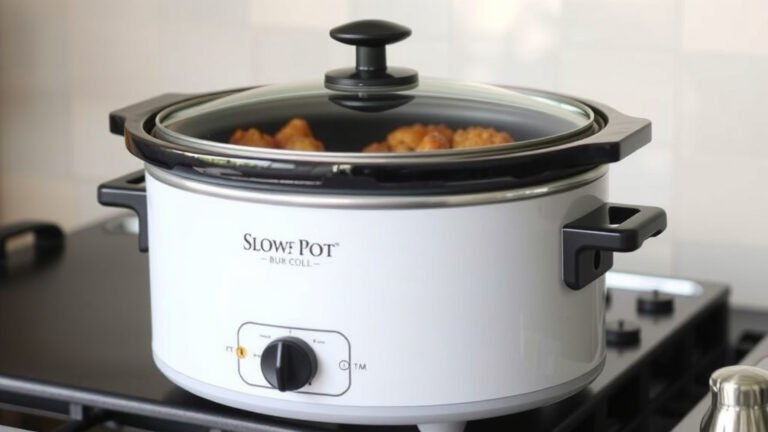
Yes, you can put a slow cooker liner in your slow cooker. These plastic liners are designed to be heat-safe and sit right inside the pot while you cook. That means less scrubbing for you afterward — sounds pretty great, right? If you’re new to this appliance, our guide to how a slow cooker works covers the basics.
Here’s the deal, though: not all liners are created equal. We researched the most common questions people have, and we found that the biggest mistakes happen when folks use the wrong type of bag or let it touch the heating element. Many experts say you should only use liners labeled as oven-safe or slow cooker-safe, and never substitute things like oven bags or trash bags. Your dinner (and your health) depends on it.
- Slow cooker liners are safe when they’re made for slow cooking and used as directed.
- Never use random plastic bags — only liners rated for high heat.
- Most liners can handle temps up to around 400°F (check the package).
- Keep the liner away from the lid rim and heating base so it doesn’t melt.
- Liners also make cleanup way easier — no more soaking that stuck-on chili overnight.
Below, we break down everything you need to know about slow cooker liners — how to use them safely, what to avoid, and when you might want to skip them. Let’s dig in.
Using a Slow Cooker Liner the Right Way
Yes, you can — and the trick is doing it correctly. Drop the liner into the stoneware, push it down so it sits flat, and let the food weigh it in place. That’s honestly most of the job.
Many manufacturers, like Reynolds and PanSaver, design their liners to handle the low, steady heat of a slow cooker. We found that most problems come from rushed setup, not from the liner itself.
Step-by-Step: How to Install Your Liner
Think of it like fitting a trash bag in a can. Smooth, snug, no overhang near the heat.
- Make sure the crock is clean and dry first. Moisture makes the liner slide around.
- Open the liner and shake it out gently so it fully opens.
- Place it inside the stoneware and press it against the bottom and sides.
- Pull the top edges over the rim evenly, like fitting a sheet on a bed.
- Add your food. The weight helps the liner stay put.
- Cook with the lid on as usual — no temperature changes needed. Our breakdown of low and high settings explains what’s happening inside the pot while you cook.
Common Mistakes to Avoid
We found that melted liner edges are the number one complaint. It almost always comes down to placement, not the product.
Letting the Liner Touch the Heating Base
The heating element runs around the sides and bottom of the appliance. If excess liner drapes over the rim and hangs outside the stoneware, it can melt. Tuck any extra material inside the pot instead.
Using the Wrong Bag Entirely
Don’t grab a grocery bag, trash bag, or oven roasting bag and hope for the best. Only use bags clearly labeled as slow cooker liners. The material matters more than the shape.
Are Slow Cooker Liners Actually Safe for Cooking Food?
For the most part, yes. Food-safe slow cooker liners are made from heat-resistant nylon or BPA-free polyester blends designed for direct food contact at low cooking temperatures (FDA).
The NIH notes that BPA exposure is a concern mainly with plastics heated at high temperatures or damaged plastics. Slow cookers run low and slow — usually between 170°F and 280°F — which is well within the range these liners are built for.
Still, many experts say a few common-sense rules apply:
- Don’t let the liner touch the heating element or open flame.
- Never use a liner that’s torn, punctured, or discolored.
- Stir with wooden, silicone, or plastic utensils — not metal forks.
- Don’t use liners under the broiler or in the oven (unless the package says so).
Slow Cooker Liner vs. No Liner: Which Should You Pick?
Here’s a quick side-by-side so you can decide for yourself.
| Factor | With a Liner | Without a Liner |
|---|---|---|
| Cleanup | Rinse and done, most days | Soaking and scrubbing |
| Cost | Roughly 25–50 cents per use | Free |
| Food sticking | Very rare | Common with cheese or sugary sauces |
| Waste | One plastic bag per meal | More water and soap used |
| Best for | Busy weeknights, sticky recipes | Everyday low-mess cooking |
Neither option is wrong. It’s like paper plates versus dishes — it depends on your evening, not on some universal rule.
When You Should Skip the Liner
Sometimes the old-fashioned way wins. Consider going liner-free when:
- You’re making a recipe with very little liquid, like roasted vegetables or a dry rub.
- Your slow cooker has a nonstick or ceramic coating that cleans easily.
- You’re cooking something for hours on the warm setting, where sticking is less of an issue.
- You’re trying to cut back on single-use plastics.
We found that liners shine most with sticky, cheesy, or saucy dishes. A plain pot roast? Your stoneware can probably handle it.
Your Pre-Cook Liner Checklist
Run through this before you hit the start button:
- Package says slow cooker-safe or oven-safe.
- Liner has no tears or holes.
- Liner sits flat against the crock with no big air pockets.
- No loose plastic hanging over the rim or outside the pot.
- Utensils are wood, silicone, or plastic — never metal.
- Lid sits on top of the liner edges, not pinched under them.

Troubleshooting: What If Something Goes Wrong?
Even with the best setup, hiccups happen. Here’s how to handle the big three.
The Liner Melted on One Edge
Let everything cool completely. Then check whether any melted plastic touched your food. If it did, toss the food — better safe than sorry (Mayo Clinic). If it only melted on the empty rim area, your dinner is fine.
The Liner Tore Mid-Cook
No need to panic. The contents usually stay contained, but transfer the food carefully into a separate dish to finish cooking if leakage is bad. Keep metal utensils far away from that hole.
Food Still Stuck to the Bottom
It happens, especially with sugary sauces. Fill the cooled liner with warm, soapy water and let it soak for ten minutes. Most of the time, the mess slides right off — no elbow grease required.
Are Reusable Silicone Liners a Better Option?
If you’d rather not toss plastic every meal, reusable silicone liners are worth a look. They’re dishwasher-safe, built to last for years, and fit most standard oval and round crocks.
The trade-off? They cost more upfront, and we found they can slightly slow heat transfer in some models. Many experts say that’s rarely enough to affect cooking times for typical recipes. If you use your slow cooker weekly, silicone may pay for itself within a couple of months.
Can You Use Liners in the Oven or for Storage?
Read the package — that’s the honest answer. Some brands are rated for oven use up to around 400°F. Others are strictly for slow cookers only.
As for leftovers, it’s fine to leave cooked food in the liner and refrigerate the whole insert, as long as the liner stays intact. Many people do this for next-day lunches. Just don’t reheat the liner in the microwave unless the label says it’s microwave-safe (FDA).
Conclusion
So, can you put a slow cooker liner in? Absolutely — as long as it’s a liner made for the job and you set it up with a little care. Keep the plastic tucked inside the stoneware, skip the metal utensils, and check that package before you cook. When you do it right, you get all the reward (dinner!) with none of the scrubbing. If cleanup is what keeps you from using your slow cooker more often, grab a box of liners or try a reusable silicone one, run through our checklist, and enjoy coming home to a meal instead of a mess.
Frequently Asked Questions
Do slow cooker liners affect cooking time or temperature?
In our research, we found that standard plastic liners have little to no effect on how your food cooks. Heat passes through the thin material easily, so your recipes should turn out just like they would in a bare crock. Reusable silicone liners can slow heat transfer slightly, but it rarely changes cooking times enough to matter.
Can you put a slow cooker liner in a Ninja or multi-cooker?
It depends on the mode you’re using. If you’re slow cooking, a rated liner is generally fine. Skip them for pressure cooking, sautéing, or air crisping, since those functions use higher heat or direct contact that liners aren’t built to handle.
How do you keep a slow cooker liner from folding into the food?
Start with a clean, completely dry crock so the liner grips instead of sliding. Press it firmly against the bottom and sides before adding ingredients, then let the food’s weight anchor it. Adding liquids first also helps settle everything into place.
Do slow cooker liners come in different sizes?
Yes, and the fit matters more than you might think. Most brands offer sizes for round and oval crocks, typically ranging from about 3 to 8 quarts. Check your slow cooker’s capacity and the package label so you don’t end up with too much extra plastic hanging over the rim.
Can you double up slow cooker liners for extra protection?
You can, and some cooks do it for very sticky or cheesy recipes. Doubling up doesn’t change cooking safety as long as both liners are rated for slow cooking and neither touches the heating element. For most meals, though, a single liner holds up just fine.