Air Fryer vs Electric Pressure Cooker: Key Differences
Neither one wins outright. The best choice depends on what you cook most. If you crave crispy fries and roasted chicken in minutes, get an air fryer. If you need tender stews, rice, and yogurt, buy a pressure cooker. We found that most households ultimately want both, but your budget and counter space will decide which one comes first.
Both appliances promise to save you time, but they go about it in completely different ways. An air fryer uses rapid hot air to crisp food, like a mini convection oven. An electric pressure cooker traps steam to cook food fast, delivering fall-apart results. Your cooking style and weekly meal plans are the real tiebreakers here.
- Air fryer is best for crispy, crunchy textures and quick reheats.
- Pressure cooker is best for one-pot meals, tough cuts of meat, and cooking beans from scratch.
- Air fryers cook much faster for thin items like fries and nuggets.
- Pressure cookers are more versatile for full meals, sides, and even desserts.
- Counter space is the biggest practical concern—both take up room, so measure first.
Below, we break down the differences between an air fryer vs electric pressure cooker, including speed, taste, ease of cleaning, and which meals each one handles best. We will help you match the right machine to your kitchen and your cravings.
Choosing Between an Air Fryer and a Pressure Cooker
Your kitchen is your space. You know your routines. We found that the real decision comes down to how you answer one simple question: Do you crave crispy or tender?
Think of an air fryer as your fast-food fix without the drive-thru. Think of a pressure cooker as your slow-cooked Sunday dinner on a Tuesday night. Neither is wrong. Both are right for different weeks.
How Each Appliance Changes Your Cooking Style
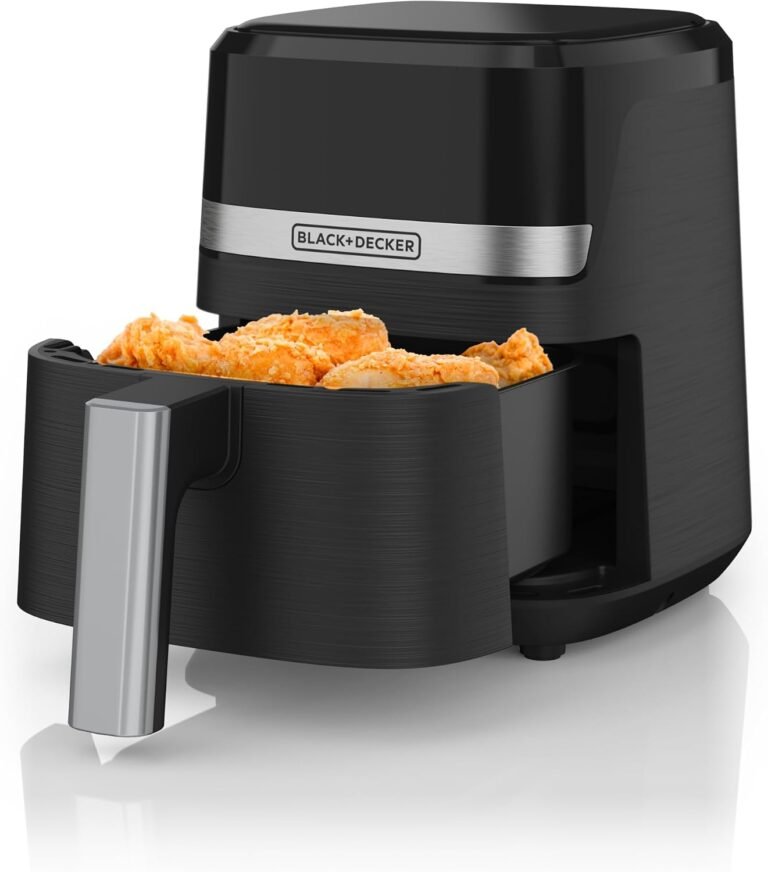
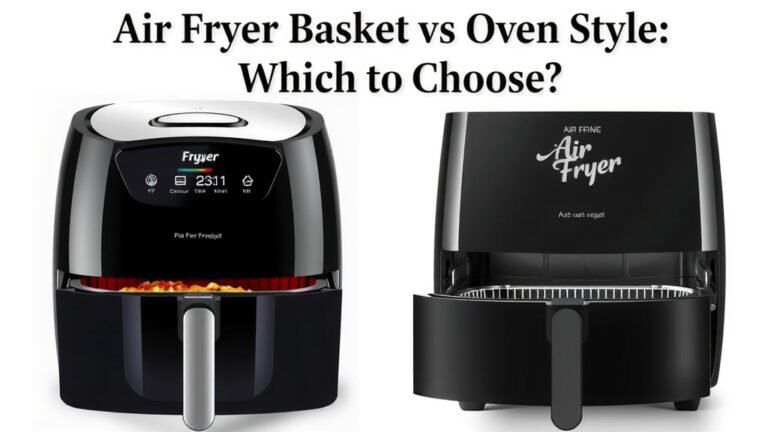
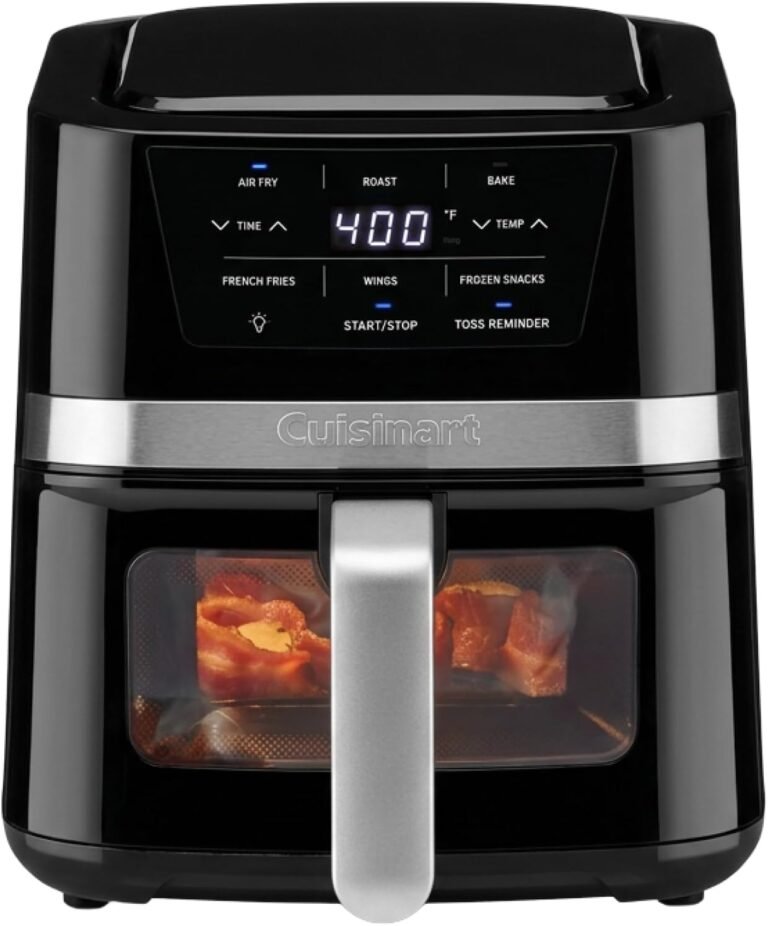
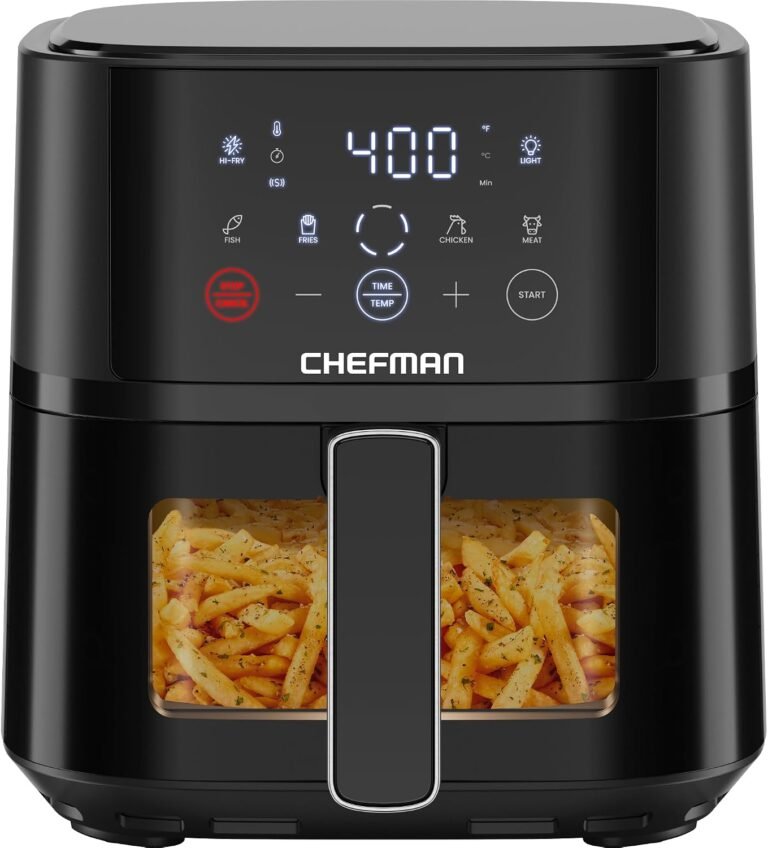
An air fryer is basically a tiny convection oven. A powerful fan blows hot air around your food. That air dries the surface quickly. You get that golden, crunchy texture without dunking everything in oil.
Electric pressure cookers work differently. They seal tight and trap steam. That builds pressure and raises the boiling point of water. Food cooks much faster than normal. Tough meat becomes fork-tender in about an hour.
Ask yourself what you miss most. Is it the crunch of fried chicken? Or the comfort of a hearty beef stew? Your honest answer points you toward the right machine.
Speed and Cooking Times Compared
Time is the biggest reason people buy either appliance. You want dinner on the table faster. We broke down the real-world timing differences below.
Air fryers nail quick snacks. Frozen fries take about 15 minutes. Chicken wings are done in 20. Reheating pizza is a five-minute miracle that brings back the crisp you lost in the microwave.
Pressure cookers shine on big jobs. Dried beans go from hard to creamy in 45 minutes without soaking overnight. A pot roast cooks in about 60 minutes. Rice is foolproof and ready in under 15.
Meal Prep Scenarios: Which One Saves More Time?
Let’s look at a typical week. On Monday, you need lunches for the office. A pressure cooker makes a big batch of chili or shredded chicken. You get multiple meals from one pot.
On Wednesday, you want something fun. An air fryer zips through crispy tofu or crunchy fish sticks. It turns frozen appetizers into party food in minutes.
| Task | Air Fryer Time | Pressure Cooker Time |
|---|---|---|
| Frozen french fries | 15 minutes | Not ideal (no crisp) |
| Dried pinto beans | Not ideal | 45 minutes |
| Chicken breast (boneless) | 18 minutes | 10 minutes plus natural release |
| Hard-boiled eggs | Not recommended | 5 minutes |
| Fresh pizza rolls | 8 minutes | Not recommended |
Keep in mind that pressure cookers need time to build and release pressure. That adds 10 to 20 minutes to the total. The cooking time on the display is not the whole story.
Texture and Flavor Results
If you love crunch, the air fryer wins. It delivers a crispy exterior with a moist inside. The texture feels fried, even with just a tiny spray of oil.
Pressure cookers win on depth of flavor. The sealed environment traps all the juices. Spices mingle. Marinades penetrate deep into the meat. You get a rich, concentrated taste that feels slow-cooked.
Which One Handles Your Favorite Foods Better?
We found that certain foods simply belong to one machine. The air fryer rules over vegetables, appetizers, and anything breaded. Broccoli gets charred edges. Brussels sprouts turn sweet and crispy.
The pressure cooker handles grains, legumes, and tough cuts. It also makes the best hard-boiled eggs we have tested. The shells slip right off almost every time.
One note on baking: air fryers make decent cookies and brownies. Pressure cookers make cheesecake and yogurt. Those are very different desserts, but both are possible.
Quick Wins for the Air Fryer
- Crispy chicken wings with no oil spatter
- Crunchy roasted potatoes in under 25 minutes
- Reheated leftovers that taste fresh again
- Salmon with a caramelized, crunchy top
- Vegetables with char and flavor in minutes
Quick Wins for the Pressure Cooker
- Fall-apart pork shoulder or chuck roast
- Dried beans and lentils without planning ahead
- Fluffy rice, quinoa, and steel-cut oats
- Hard-boiled eggs with effortless peeling
- One-pot pasta with a creamy sauce
Ease of Cleaning and Maintenance
Nobody wants to scrub gadgets after a long day. We looked at how each appliance cleans up. The air fryer basket and tray are usually nonstick and dishwasher safe. That makes cleanup painless for daily use.
The pressure cooker has the inner pot. It is also dishwasher safe and handles tough scrubbing well. The lid has a few small parts like the sealing ring and vent valve. Those need regular attention.
The Sealing Ring Reality Check
Pressure cooker lids have a silicone sealing ring. That ring absorbs odors. Cook chili one week, and your next batch of rice might smell like spice. Many experts say you should buy a second ring to swap out for sweet dishes.
Air fryers have no such issue. They just need a quick wipe down. A damp cloth handles the inside. The heating element rarely needs deep cleaning.
The Versatility Factor
An electric pressure cooker is a multi-tasker. Most models also function as a slow cooker, rice cooker, yogurt maker, and steamer. That covers serious ground for one appliance.
Air fryers stick to one specialty. They crisp, roast, and reheat. Some models have a dehydrate function for beef jerky or dried fruit. But they will not simmer a soup or cook dried beans from scratch.
Counter Space and Storage Considerations
Both appliances take up real estate. You likely do not have endless counters. Measure your space before buying anything.
Air fryers are often boxy and tall. Some are wide with two baskets. They can block other small appliances you use daily.
Pressure cookers are round and bulky. They do not stack well. The lid adds height when stored on top. Many people store them in a cabinet and bring them out when needed.
Our Verdict on Which to Buy First
If you mostly cook for one or two people, start with the air fryer. You will use it for snacks, quick dinners, and reheating. It earns its spot quickly.
If you batch cook and want full meals, get the pressure cooker. It handles proteins, sides, and desserts. You can make a whole meal in one pot and eat for days.
We found that most people eventually buy both. They serve different jobs. The question is only about what you need tonight, not what you might want next year.
Your Shopping Checklist
- Measure your counter space and cabinet height first
- List your top five weekly meals to see which machine fits
- Check that the basket or pot is dishwasher safe
- Look for easy-to-clean nonstick surfaces
- Consider the noise level if you have an open floor plan
- Pick the size based on your household, not the sale price
Conclusion
You have two solid options, and neither will let you down. The air fryer wins for crispy textures, quick snacks, and reheating leftovers. The pressure cooker wins for tender meats, beans from scratch, and one-pot meals that feed you all week.
We recommend looking at your next five dinners. Write them down. If most of those meals crave crunch, buy the air fryer. If stews and shredded meats fill your menu, grab the pressure cooker instead.
Budget and counter space are your real limits. Start with the one that solves your biggest cooking pain point today. You can always add the second machine later when the time feels right.
Frequently Asked Questions
Can an air fryer replace a pressure cooker?
No, they handle completely different cooking jobs. An air fryer crisps and browns food, but it cannot simmer soups or tenderize tough meat quickly. You would need to boil beans or braise meat for hours on the stove instead. Keep both if your budget allows.
Which appliance uses less electricity?
Both are more efficient than a full-size oven. Air fryers typically use less power because they heat a small space quickly and cook in shorter bursts. Pressure cookers use more energy per session but finish tough jobs fast. Your utility bill difference will be small either way.
Is an electric pressure cooker safe to leave unattended?
Modern electric pressure cookers are designed with built-in safety mechanisms. They lock the lid while pressurized and regulate heat automatically. You still should not leave the house while it runs. Stay nearby to monitor the first few uses until you trust the machine.
Can you make frozen food in an air fryer without oil?
Yes, frozen fries, nuggets, and mozzarella sticks cook perfectly with no added oil. The rapid hot air circulates around the food and creates a crispy exterior. A light spray of oil gives a slightly richer golden color, but it is completely optional for most frozen items.
Which appliance is better for a college dorm room?
An air fryer is usually the smarter pick for small spaces. It is lighter, sits on a counter easily, and handles quick single-serving meals. Pressure cookers work great too, but they take up more room and need space to release steam. Check your dorm rules first, as some buildings restrict both appliances.