Air Fryer vs Convection Toaster Oven: Which Wins?
If you want crispy food and can only pick one, the air fryer wins for speed and crunch, but a convection toaster oven is the better all-around cooker. You get more space, more cooking methods, and it can replace several gadgets. We found that your choice really comes down to how much counter space you have and what you cook most.
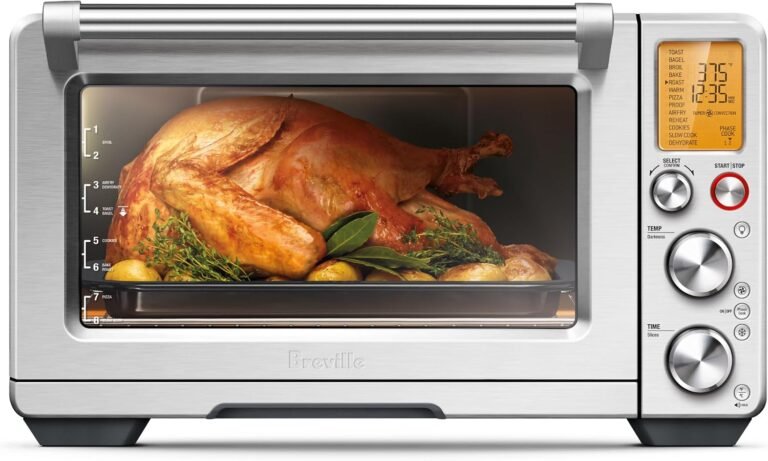
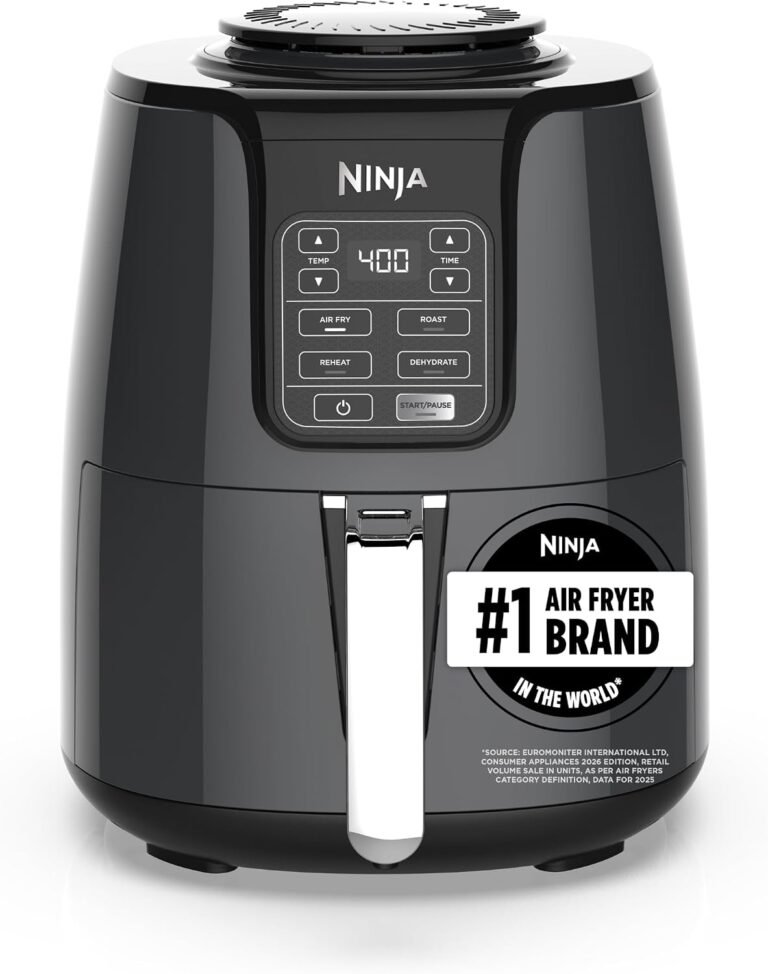
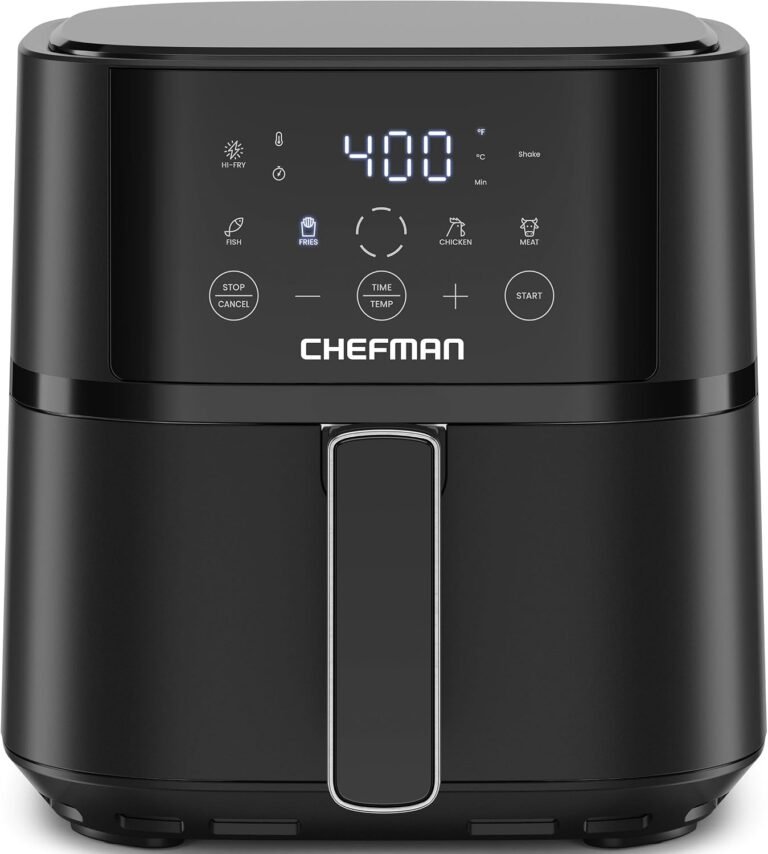
Both appliances use a fan to circulate hot air, which is why they produce that golden, crispy texture. The big difference is that a toaster oven fits full sheet pans and can bake, broil, and toast. An air fryer is smaller, preheats faster, and gives you that fried texture with little to no oil. It’s a classic speed-versus-versatility trade-off. We’ve researched how each one performs with chicken, veggies, and baked goods to help you decide without wasting money.
- Air fryers cook faster and make food noticeably crispier with less oil.
- Convection toaster ovens hold much more food — think 12-inch pizza or a whole chicken.
- Toaster ovens are more versatile: they bake, broil, toast, and roast.
- Air fryers are simpler to use and usually easier to clean.
- Both are energy-efficient, but the air fryer wins on short, quick meals.
Below, we break down the real differences in cooking results, cost, and daily usability so you can pick the right one for your kitchen. Let’s walk through it together. For a side-by-side look at popular models, our air fryer compare guide breaks down the key specs.
Air Fryer Versus Convection Toaster Oven: The Real Kitchen Showdown
Both machines move hot air around your food for that crispy finish. The real question is which one fits your daily cooking habits. We found that your decision hinges on three things: space, speed, and what you actually make on a Tuesday night.
How Each Machine Works in Everyday Terms
An air fryer is basically a small, powerful fan inside a compact box. It blows super-heated air at high speed, which pulls moisture off the surface of food quickly. That fast air circulation is why fries and chicken wings get that crunchy exterior without a vat of oil.
A convection toaster oven works the same way, but the fan is usually less aggressive. You get a gentle, even heat that roasts and bakes beautifully. Many experts say the toaster oven mimics a traditional oven better because it has more room for the air to move around.
Think of it this way: the air fryer is a focused jet stream, and the toaster oven is a wide, gentle breeze. Both dry the food’s surface, but the jet stream does it faster.
Speed and Preheating: Who Wins the Race?
We found that air fryers preheat in under three minutes on average. Because the cooking chamber is tiny, the hot air reaches your food almost instantly. A convection toaster oven usually takes five to eight minutes to get up to temperature.
For a quick weeknight meal, that time difference matters. You can have chicken tenders or frozen nuggets done in 12 minutes flat with an air fryer. The toaster oven might need closer to 20 minutes for the same batch.
That said, the speed gap narrows when you cook larger items. A whole chicken or a tray of roasted vegetables takes just as long in both machines. The air fryer’s speed advantage is biggest with small, breaded foods.
Your choice here depends on how often you cook for one or two people versus a full family. Quick meals favor the air fryer.
Cooking Capacity: How Much Food Fits Inside
This is where the toaster oven pulls ahead in a big way. A typical air fryer basket holds about three to four quarts. That’s enough for a single layer of fries or two small chicken breasts, but you cannot cook a 12-inch pizza or a casserole dish inside one.
Convection toaster ovens usually hold six quarts or more. Many fit a full-size sheet pan, a 9×13 baking dish, or a whole 4-pound chicken. If you cook for more than two people, you will use the toaster oven’s extra space constantly.
We found that air fryer owners often cook in batches, which defeats the time-saving purpose. Cold food goes in the basket, cooks, comes out, and then the next batch goes in. That process eats up your evening.
With a toaster oven, you load everything at once. That single-loaded tray is a huge convenience when you feed a crowd or meal-prep for the week.
Full Meal Potential with a Toaster Oven
You can roast a whole chicken and vegetables on the same tray simultaneously. You can bake a sheet-pan dinner with salmon and asparagus. You can even make a small lasagna or a batch of muffins.
An air fryer simply does not have the height or footprint for those tasks. Most baskets are shallow, so tall foods like a whole chicken or a thick casserole hit the heating element on top.
Crispiness and Texture: The Air Fryer’s Superpower
If crispy is your number-one priority, the air fryer wins. The rapid air circulation creates a surface texture that is incredibly close to deep-frying. We found that breaded chicken, french fries, and mozzarella sticks come out with a shatteringly crisp coating.
The toaster oven can crisp food too, but it takes longer and often needs a light spray of oil. Without that oil, food tends to dry out before it browns. You can get decent results, but you will miss that air-fried crunch.
Many research kitchens and appliance reviewers note that air fryers are the best oil-free option for crispy food textures (Consumer Reports, 2023). The key is the high-speed fan, which strips away moisture much faster than a convection fan.
Remember this: if you love fried chicken, crispy fish, or frozen snacks, the air fryer will make you happier. If you want to roast and bake, the toaster oven handles those tasks better.
Versatility: Which Appliance Does More Jobs
A convection toaster oven is a full cooking station. It toasts bread, bakes cookies, broils fish, roasts meat, and reheats leftovers. It can even replace your main oven for the majority of your cooking.
An air fryer is a specialty tool. It does one thing exceptionally well: crispy, fast cooking. Most models offer an air fry setting and a few extra modes like bake or reheat, but those are secondary features.
- Toaster ovens usually have a broiler function that air fryers lack
- Toaster ovens handle frozen pizza, bagels, and open-faced sandwiches
- Air fryers excel at reheating fried leftovers so they stay crisp
- Toaster ovens can bake cakes, muffins, and bread loaves
- Air fryers are better for small batches of snacks and appetizers
We found that most people use their air fryer for the same five or six foods repeatedly. That is fine if you love those foods, but it is a limited rotation. The toaster oven supports a more varied menu.
Cleanup and Daily Maintenance
The air fryer’s removable basket is usually nonstick and dishwasher-safe. You pull it out, wash it, and you are done. The heating element stays clean because food never touches it directly.
Toaster ovens are messier. Crumbs fall to the bottom tray, grease splatters on the interior walls, and the heating elements collect residue over time. You have to wipe down the interior cavity regularly to avoid smoke and burnt smells.
That said, the toaster oven’s tray and racks are also dishwasher-safe. You just have more surfaces to clean. If you hate scrubbing, the air fryer is the lower-maintenance option.
One tip we found helpful: line your toaster oven tray with foil to cut cleanup time in half. This simple trick handles most of the mess before it starts.
Energy Use and Operating Costs
Both appliances are far more efficient than a full-size oven. They heat a smaller space and use less power overall. We found that an air fryer uses about 1,400 to 1,500 watts, while a convection toaster oven uses around 1,500 to 1,800 watts.
For short, quick meals, the air fryer uses less total energy because it finishes faster. For longer roasting sessions, the toaster oven might use slightly more power, but it holds more food per batch. Energy efficiency balances out in practice.
The US Department of Energy notes that countertop appliances are ideal for small households because they reduce wasted energy from heating a big oven. Either choice beats using your main oven for a single frozen pizza or a handful of roasted potatoes.
Price and Long-Term Value
Air fryers are generally cheaper. You can grab a reliable basket-style model for around $60 to $100. Convection toaster ovens cost more, usually $100 to $250, with premium models reaching even higher.
But we found that value depends on how many gadgets you can replace. A toaster oven can eliminate the need for a separate toaster, a small countertop oven, and a broiler pan. That consolidation saves you counter space and money in the long run.
Air fryers do not replace as many appliances. They are a single-purpose addition to your kitchen. If you already own a toaster oven or a regular toaster, the air fryer is an extra device that takes up valuable counter real estate.
| Factor | Air Fryer | Convection Toaster Oven |
|---|---|---|
| Average Price | $60 – $100 | $100 – $250 |
| Preheat Time | 2 – 3 minutes | 5 – 8 minutes |
| Max Food Size | Small batches only | Full sheet pan or whole chicken |
| Cooking Methods | Air fry, bake, reheat | Bake, broil, roast, toast |
| Cleanup Effort | Very easy | Moderate |
We found that buyers who choose a toaster oven feel they get more flexibility for their money. Air fryer owners appreciate the lower entry price but often wish they had more space.
Counter Space and Kitchen Layout
Air fryers are compact and can slide into a cabinet or sit under an upper shelf. Most models have a small footprint, around 12×12 inches. This makes them great for cramped apartments or dorm rooms.
Convection toaster ovens are big. They often take up 18 to 24 inches of counter width and sit tall enough to block your backsplash. You need a dedicated spot that stays clear for daily use.
Many experts say a toaster oven needs permanent counter placement because it is too heavy to move around easily. An air fryer is lighter and easier to store away when you need extra workspace. Your kitchen layout can genuinely decide this for you.
- Measure your counter space before you shop
- Check the height clearance under your upper cabinets
- Consider where the power outlet is relative to your prep area
- Think about whether you can store the appliance when unused
- Ask yourself if you cook near that counter location every day
We found that people who ignore counter space often end up with an appliance that gathers dust. Measure first, then browse.
Which One Should You Buy First?
If you cook for one or two people and live for crispy snacks, get an air fryer. It is fast, cheap, and easy to maintain. Just know that you will be limited to small batches and a short list of recipes.
If you want a true oven replacement that bakes, broils, roasts, and toasts, choose a convection toaster oven. It handles more food, more recipes, and more cooking styles. You trade a bit of speed and crispiness for serious versatility.
For most households, we found the convection toaster oven is the better long-term value. It replaces multiple appliances and supports a wider range of meals. The air fryer shines as a secondary gadget for quick wins.
Honestly, many people end up buying both eventually. The toaster oven handles the heavy lifting, and the air fryer nails the weekend snacks. If your budget allows, that combo gives you the best of both worlds without compromise.
Just make sure you have the counter space for both before you commit to that route. Otherwise, start with the one that matches your most frequent cooking habit.
Conclusion
So, which one should you bring home? It really comes down to your cooking style. If you live for crispy snacks and quick meals for one or two, the air fryer is your speed demon. If you want a do-it-all machine that bakes, broils, and roasts like a real oven, the convection toaster oven is the solid choice.
We think most families get more long-term value from a toaster oven. It replaces more gadgets and handles bigger meals without the batch-cooking hassle. Start there if you want one appliance to cover all your bases.
Still torn? Grab both if your counter space and budget allow. Use the toaster oven for the heavy lifting and the air fryer for those weekend fries. You will not regret having both ready to go.
Frequently Asked Questions
Can you use an air fryer as a toaster oven?
Not really. Most air fryers do have a bake setting, but they lack a dedicated toast function. You cannot fit a slice of bread flat in most baskets. You will get better toast from a toaster oven or a regular toaster.
Is a convection toaster oven good for frozen foods like fries and nuggets?
Yes, but they take a bit longer than an air fryer. You will need to add a light spray of oil to get that golden crunch. Expect about 20 minutes versus 12 minutes in an air fryer. The results are good, just not as shatteringly crisp.
Which appliance is safer to leave on the counter?
Both are safe when used properly, but they need clearance. Toaster ovens get hot on the outside and need space around them. Air fryers stay cooler on the exterior. Keep both away from cabinet edges and always unplug them when you are done.
Do air fryers use a lot of electricity compared to a toaster oven?
Air fryers generally use a bit less power, around 1,400 to 1,500 watts. Toaster ovens run closer to 1,500 to 1,800 watts. Since air fryers finish faster, they often use less total electricity for quick meals. For long roasts, the toaster oven wins on batch efficiency.
What is the best size air fryer for a family of four?
You want at least a 5.8-quart basket for a family of four. That gives you room for a whole chicken or a solid batch of fries. Smaller models force you to cook in shifts, which defeats the speed advantage. Bigger is better if you feed more than two people.