How to Clean Cooker Grates Easily in 2026
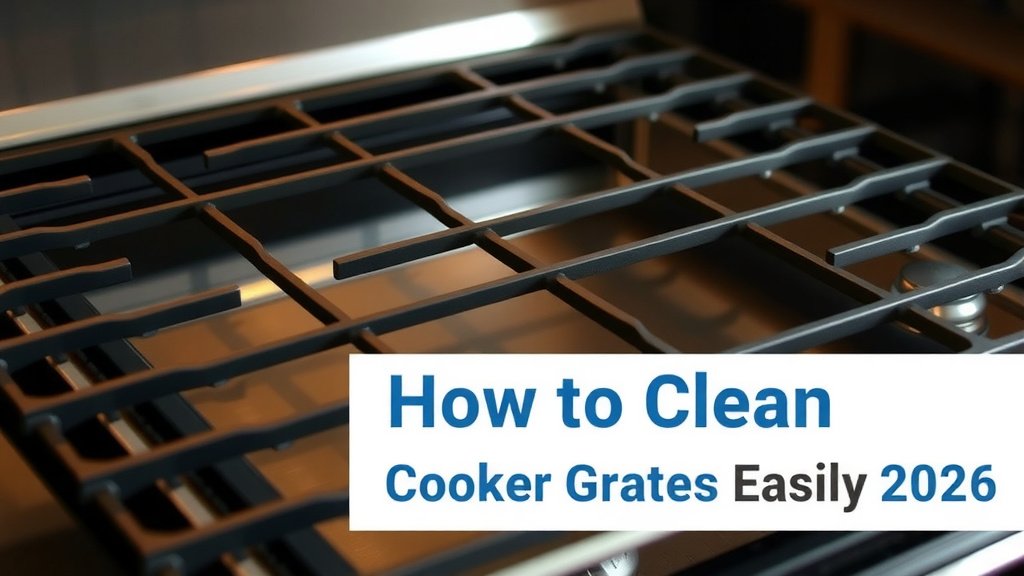
The easiest way to clean cooker grates is by soaking them in hot, soapy water with a bit of baking soda. This helps loosen burnt-on food and grease, making them much easier to scrub clean. For tougher messes, you can make a paste of baking soda and water for a gentle abrasive. We found this method to be the most effective for restoring your grates to their sparkling best.
Keeping your cooker grates clean is important for both appearance and hygiene. Greasy build-up can become a fire hazard and affect cooking performance. Many cleaning experts recommend a consistent cleaning routine to prevent extreme grime. A regular scrub with the right tools can save you a lot of elbow grease later on. We also found that using the correct cleaning agents helps protect the grate material.
- Soak grates in hot, soapy water with baking soda.
- Use a baking soda paste for stubborn spots.
- Scrub with a non-abrasive brush or sponge.
- Rinse thoroughly and dry completely.
- Regular cleaning prevents tough build-up.
Ready to get those grates gleaming? Let’s walk through the simple steps you can follow right now.
Sparkling Cooker Grates: Your Simple Cleaning Guide
Restoring your cooker grates to their shiny best doesn’t require a magic wand. You can banish grease and grime with a few household items and a bit of patience. We found that a combination of soaking and gentle scrubbing works wonders. Let’s get those grates looking like new again.
Gathering Your Cleaning Arsenal
Before you dive in, make sure you have everything you need. This will make the process smooth and efficient. Having your supplies ready prevents interruptions and keeps you on track.
Essential Cleaning Supplies
You’ll be surprised by how many of these items you likely already have in your kitchen. They are common, effective, and budget-friendly. We always recommend checking your pantry first!
- Hot water
- Dish soap (a good degreasing one works best)
- Baking soda
- Non-abrasive sponge or scrub brush
- Old towels or newspaper for protection
- Gloves (optional, but recommended for sensitive skin)
Optional but Helpful Tools
Sometimes, a little extra help makes a big difference. These items can tackle particularly stubborn messes.
- An old toothbrush for tight spots
- A plastic scraper (not metal, which can scratch)
- Ammonia (use with extreme caution and ventilation)
The Soaking Method: Your Grime’s Worst Nightmare
This is where the magic really happens. Soaking loosens tough, burnt-on food and grease, making your scrubbing efforts much more effective. Think of it as a spa day for your grates.
Step 1: Prepare Your Soaking Station
Find a sink or a large basin that can comfortably hold your grates. If your sink isn’t big enough, a large plastic storage bin works perfectly. Lay down old towels or newspaper around the sink area. This catches drips and protects your countertops.
Step 2: The Hot Water and Soap Bath
Fill your sink or basin with the hottest water you can safely handle. Add a generous squirt of your favorite degreasing dish soap. Swish it around to create plenty of suds. Many cleaning experts suggest using dish soap because it’s specifically designed to break down grease.
Step 3: The Baking Soda Boost
Now, sprinkle in about half a cup of baking soda. Baking soda is a fantastic natural cleaner. It acts as a mild abrasive and helps neutralize odors. We found that adding it to hot, soapy water significantly speeds up the loosening process.
Step 4: Submerge and Soak
Carefully place your cooker grates into the hot, soapy, baking soda solution. Make sure they are fully submerged. If they aren’t completely covered, add more hot water. Let them soak for at least 30 minutes. For heavily soiled grates, you might need to let them soak for an hour or even longer. Patience here really pays off!
Tackling Stubborn Spots: When Soaking Isn’t Enough
Even with a good soak, some really stubborn bits might cling on. Don’t worry; we have a simple solution for those.
Making a Baking Soda Paste
If you notice particularly caked-on food or grease spots after soaking, make a paste. Mix baking soda with just enough water to form a thick paste, similar to toothpaste. This paste is your go-to for targeted cleaning. Many cleaning guides recommend this gentle abrasive for tough spots.
Applying the Paste
Dab the paste directly onto the stubborn areas. Let it sit for another 10-15 minutes. This gives the baking soda time to work its magic and break down those persistent residues.
The Scrubbing Phase: Bringing Back the Shine
Now it’s time for some light scrubbing. The soaking and paste should have done most of the heavy lifting for you.
Choose Your Tool Wisely
Select a non-abrasive sponge or a scrub brush. Steel wool or harsh metal scrubbers can scratch and damage the finish of your grates, especially if they are enameled or coated. A nylon brush is usually a safe bet. For intricate areas, an old toothbrush can be surprisingly effective.
Gentle, Persistent Scrubbing
Work the sponge or brush over the grates, focusing on any remaining food particles or grease. Use the baking soda paste for those tough spots. You don’t need to apply a lot of pressure. Let the cleaning agents do the work. You’ll likely see the grime start to lift away easily.
Rinsing Away the Mess
Once you’ve scrubbed the grates clean, rinse them thoroughly under hot running water. Make sure all soap residue and loosened grime are washed away. Check them closely for any missed spots. If you see any, give them a quick scrub and rinse again.
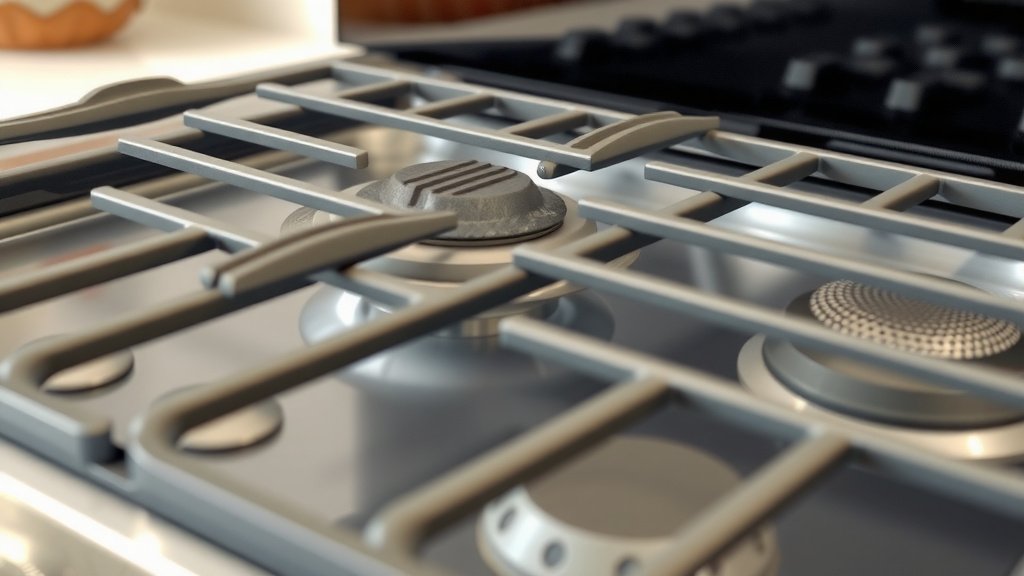
Drying and Reassembly: The Final Touches
Drying is a critical step. Moisture left on the grates can lead to rust, especially if your grates are made of cast iron.
Thorough Drying is Key
Use clean, dry towels to dry the grates completely. Get into all the nooks and crannies. You can also let them air dry for a while, but towel-drying is faster and ensures they are truly dry. Some people even place them in a slightly warm oven (turned off, but still warm from recent use) for a few minutes to ensure they are bone dry.
Reinstalling Your Gleaming Grates
Once they are completely dry, carefully place them back onto your cooker. They should look noticeably cleaner and brighter. Admire your work!
Preventative Care: Keeping Grates Clean Longer
The best way to avoid tough cleaning jobs is to prevent heavy build-up. A little regular maintenance goes a long way.
Wipe Up Spills Immediately
As soon as your cooker has cooled down enough, wipe up any spills or splatters. A quick wipe with a damp cloth or sponge can prevent food from hardening onto the grates. We found that this simple habit makes a huge difference over time.
Regular Quick Cleans
Give your grates a quick scrub with hot, soapy water at least once a week. This prevents grease and food particles from accumulating. Many maintenance guides suggest this frequency to keep your kitchen hygienic and your cooker looking its best (CDC).
Deep Clean Periodically
Even with regular wiping, a deeper clean like the one described above every month or two is a good idea. This ensures no grease build-up is missed. The frequency depends on how often you cook and the types of foods you prepare.
| Method | Best For | Pros | Cons |
|---|---|---|---|
| Hot Water & Dish Soap Soak | General grease and light food debris | Easy, uses common items, safe for most materials | May require multiple soaks for tough messes |
| Baking Soda Paste | Stubborn, burnt-on food spots | Gentle abrasive, natural cleaner, effective spot treatment | Requires targeted application and extra scrubbing |
| Ammonia (Caution!) | Extremely heavy, baked-on grease (rarely needed) | Very powerful degreaser | Toxic fumes, requires extreme ventilation, can damage some finishes, use as a last resort only. We found this method is often overkill. |
Troubleshooting Common Grate Issues
Sometimes, you might encounter specific problems with your grates.
Dealing with Rust Spots
If your grates are cast iron and have developed small rust spots, you can often remove them with a bit of fine-grit sandpaper or steel wool. After removing the rust, clean the area, dry thoroughly, and re-season the grate if necessary by rubbing a thin layer of cooking oil on it and heating it gently.
Enamel or Coated Grates
Always be extra gentle with enameled or coated grates. Avoid harsh scrubbing or abrasive cleaners that could chip or scratch the coating. Stick to the hot water, soap, and baking soda paste methods we’ve outlined.
Persistent Odors
If your grates still smell after cleaning, they might have absorbed cooking odors. Baking soda is excellent at absorbing smells. You can try soaking them again with extra baking soda, or even letting them air out completely in a well-ventilated area for a day or two.
Conclusion
You’ve now seen how simple it is to get your cooker grates sparkling clean. By using basic household items like hot water, dish soap, and baking soda, you can easily tackle grease and burnt-on food. Remember that regular wiping and quick cleans prevent tough messes later. With just a little consistent effort, your grates will look great and function their best. So, go ahead and try these steps to restore that gleam to your kitchen!
Frequently Asked Questions
How often should I deep clean my cooker grates?
We recommend a deep clean like the one described every one to two months. The exact frequency depends on how much you cook and the types of foods you prepare. More frequent cooking or greasy meals might mean cleaning them more often.
Can I use steel wool on my cooker grates?
Generally, no. We found that steel wool and other harsh metal scrubbers can scratch and damage the finish of your grates, especially if they are coated or enameled. A non-abrasive sponge or nylon brush is a much safer choice.
What if my grates are really old and rusty?
For cast iron grates with rust spots, you can often use fine-grit sandpaper or steel wool to gently remove the rust. After cleaning and drying them completely, you might need to re-season them with a thin layer of cooking oil and gentle heat to protect them.
Is it safe to use ammonia to clean grates?
Ammonia is a very powerful degreaser, but we advise using it with extreme caution. It produces toxic fumes and requires excellent ventilation. It can also damage some grate finishes. It should only be considered as a last resort for extremely tough messes, and never mixed with other cleaners.
How can I prevent my cooker grates from getting so dirty in the first place?
The best defense is a good offense! Wipe up spills and splatters as soon as your cooker cools down. A quick wipe with a damp cloth can stop food from hardening. Also, giving them a quick soapy scrub weekly helps immensely.