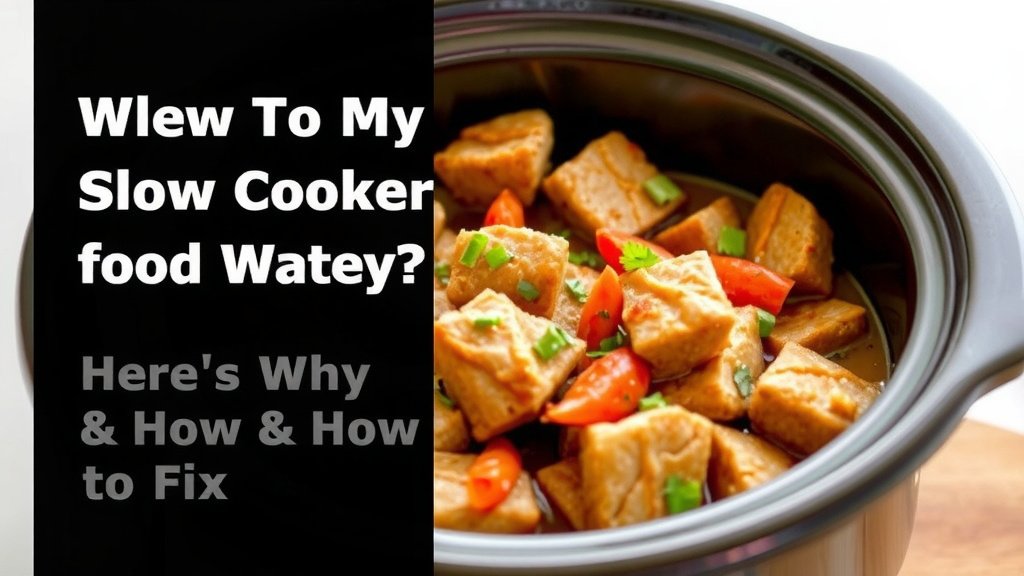
Slow Cooker Food Watery? Here’s Why & How to Fix
Your slow cooker food is likely watery because too much liquid was added, or not enough was allowed to evaporate during cooking. This is a common issue, and thankfully, it’s usually quite fixable! We’ll help you figure out why your dishes are turning out soupy.
It’s frustrating when your favorite slow cooker recipes end up more like soup than stew. You want that tender, fall-apart meat and perfectly cooked vegetables, not a watery mess. We’ve researched common slow cooker pitfalls that lead to this watery result, and there are a few key culprits.
TL;DR:
- Too much liquid in the recipe.
- Lid wasn’t sealed properly.
- Vegetables released a lot of water.
- Thickener wasn’t used correctly.
- Low cooking temperature.
Let’s walk through the common reasons your slow cooker meal might be too watery and how you can prevent it next time.
Why is My Slow Cooker Food Soupy?
It’s a common kitchen mystery: you follow the recipe, add all the ingredients to your trusty slow cooker, and hours later, you’re greeted with a watery mess. You were expecting a rich stew, but you got something closer to soup! Don’t worry, this happens more often than you think. We’ve researched the common reasons for this watery outcome.
The Primary Culprit: Too Much Liquid
The most frequent reason your slow cooker meal turns out watery is simply having too much liquid in the pot to begin with. Slow cookers create a moist environment. They don’t allow much liquid to evaporate during the long cooking process, unlike a stovetop pot or an open pan. Slow cookers create a moist environment, which means less liquid evaporates.
Common Liquid Mistakes
Many recipes call for liquids like broth, water, or canned tomatoes. Sometimes, home cooks add extra liquid “just in case.” This extra liquid has nowhere to go. It just sits there, making your dish thinner than you intended. Many guidelines suggest starting with less liquid than you think you might need. You can always add more later if it’s too thick (National Slow Cooking Council).
Rethinking Your Liquids
Consider the moisture content of your ingredients. Fresh vegetables like zucchini, mushrooms, and bell peppers release a surprising amount of water as they cook. If your recipe is packed with these, you might need to reduce the added liquid. Frozen vegetables also tend to release more water than fresh ones. Think about this when planning your meals. You might also be reducing a sauce on the stovetop before adding it to the slow cooker. This step is important for thickening.
Lid Issues and Evaporation Problems
A slow cooker works by trapping heat and moisture. A tight-fitting lid is essential for this. If your lid isn’t sealed properly, steam can escape. This seems counterintuitive – shouldn’t steam escaping make it thinner? Actually, a poorly sealed lid can disrupt the cooking temperature. It can lead to undercooking, which prevents natural thickening. It also means the liquid doesn’t concentrate properly.
A Leaky Lid’s Impact
We found that a cracked lid or a lid that doesn’t sit flush can cause problems. It allows the cooking temperature to drop. This can mean your food doesn’t cook evenly or thoroughly. Some recipes rely on a bit of evaporation to thicken. A leaky lid prevents this crucial step. You want a gentle, consistent heat to cook your food. A compromised lid throws that off balance. Make sure your lid is clean and free of debris.
Resisting the Urge to Peek
It’s tempting to lift the lid and check on your creation. We know, we’ve been there! But each time you lift the lid, you release precious heat and steam. This can add 15-20 minutes to your cooking time. It also disrupts the internal moisture balance. For most recipes, it’s best to let the slow cooker do its job undisturbed. Trust the process! You’ll see the results in a perfectly cooked, appropriately thick dish.
Vegetable Water Woes
As we touched on earlier, vegetables are water-rich. Some vegetables, like potatoes, carrots, and onions, are starchy. They release moisture and also help thicken the liquid as they break down slightly. Others, like mushrooms and zucchini, are almost pure water. They contribute significantly to the liquid volume.
Moisture Content Matters
If your recipe relies heavily on high-water-content vegetables, you might need to adjust the liquid. Consider reducing the broth or water by a quarter to a half cup. This is especially true if you’re using frozen vegetables. They release their water much faster than fresh ones. We found that using a mix of vegetables with varying moisture levels can create a more balanced dish.
Thickening Techniques and When They Fail
Recipes often call for thickeners like cornstarch, flour, or even mashed potatoes. These are your allies against watery food. However, how and when you add them is important. They need to be mixed correctly to work their magic.
The Slurry Method is Key
A common mistake is adding dry cornstarch or flour directly to the hot liquid. This often results in clumps. The best practice is to create a slurry. Mix your cornstarch or flour with a small amount of cold liquid. This can be water, broth, or even some of the liquid from your slow cooker. Whisk it until smooth. Then, add this slurry to the slow cooker during the last 30 minutes to an hour of cooking. This allows it to thicken properly without clumping. Many cooking resources recommend this (Culinary Institute of America).
Natural Thickening Power
Don’t underestimate the natural thickening power of some ingredients. Root vegetables like potatoes and carrots, when cooked long enough, will break down. This releases starches that naturally thicken your sauce. Some meats, like pork shoulder or beef chuck, release collagen as they cook. This collagen melts into the liquid, giving it body and richness. If your meat isn’t cooked long enough, this natural thickening won’t happen effectively.
Temperature and Cooking Time
Your slow cooker might not be heating correctly. Or perhaps you’re using the wrong setting for the recipe. These can lead to a dish that isn’t cooked long enough to thicken properly.
Is Your Cooker Hot Enough?
Slow cookers generally operate at low temperatures. Recipes are usually tested for specific settings (LOW or HIGH). If your cooker runs cooler than average, your food might not reach the temperatures needed for natural thickening. We found that older slow cookers can sometimes lose their heating efficiency. If your food is always watery, consider testing your slow cooker’s temperature. You can do this by filling it with water and checking the temperature with a food thermometer after a few hours on HIGH. If your food is always watery, consider testing your slow cooker’s heating efficiency.
The Role of Cooking Time
Even with the right temperature, not cooking long enough can result in a watery dish. Some recipes need the full cooking time to allow flavors to meld and liquids to reduce slightly. Rushing the process means you might not get the desired consistency. Patience is key!
Quick Fixes for Watery Slow Cooker Meals
So, you’ve opened the lid and found a soupy situation. Don’t despair! Here are some ways to salvage your meal:
- Strain and Reduce: Carefully pour off some of the excess liquid into a saucepan. Bring it to a simmer on the stovetop and let it reduce until thickened. Then, stir it back into the main dish.
- Cornstarch or Flour Slurry: Prepare a slurry (1-2 tablespoons of cornstarch or flour mixed with a little cold water or broth). Stir it into the slow cooker during the last 30-60 minutes of cooking.
- Add a Thickener: Mash some of the cooked vegetables, like potatoes or carrots, against the side of the slow cooker. This releases starch and helps thicken the liquid.
- Thickeners on Hand: Keep ingredients like cornstarch, flour, or even a can of cream soup handy for quick thickening needs.
- More Cooking Time: If you have time, simply let the slow cooker go longer on HIGH with the lid slightly ajar (if your model allows and it’s safe to do so). This can help some liquid evaporate.
Conclusion
It’s clear that a watery slow cooker meal is a common, but fixable, problem. You’ve learned that too much liquid is often the main culprit. Remember to account for the moisture in your ingredients, especially vegetables. Ensure your lid is sealed tightly and resist the temptation to peek too often. Mastering the slurry method for thickening is also key. By paying attention to these details, you can transform soupy disappointments into perfectly textured slow cooker successes. Next time, start with less liquid and trust the process for delicious results!
Frequently Asked Questions
Can I fix watery slow cooker food after it’s already cooked?
Yes, you can often salvage a watery slow cooker dish. A popular method is to carefully strain off some liquid and reduce it on the stovetop until it thickens. You can also create a cornstarch or flour slurry and stir it in during the last 30-60 minutes of cooking.
How much liquid should I use in my slow cooker recipe?
It’s often best to start with less liquid than you think you need, especially if your recipe contains many vegetables. Many sources suggest reducing added liquid by about 1/4 to 1/2 cup, particularly if using frozen vegetables. You can always add more liquid later if the dish is too thick.
Does the type of vegetable affect how watery my food gets?
Absolutely. High-moisture vegetables like zucchini, mushrooms, and bell peppers will release a significant amount of water as they cook. Starchy vegetables like potatoes and carrots, while also releasing water, can help thicken the sauce naturally as they break down.
Why is it so important not to lift the slow cooker lid?
Each time you lift the lid, you release precious heat and steam. This can prolong your cooking time by 15-20 minutes and disrupt the delicate moisture balance needed for proper thickening. It’s best to let your slow cooker work undisturbed for the most consistent results.
My slow cooker recipe is still watery even after using a slurry. What else can I do?
If a slurry didn’t fully thicken your dish, consider mashing some of the cooked vegetables, like potatoes or carrots, against the side of the slow cooker. This releases their starches and can help absorb excess liquid. Alternatively, you can try simmering the liquid on the stovetop for a more concentrated sauce.