Fix Mushy Rice: Your Rice Cooker Guide
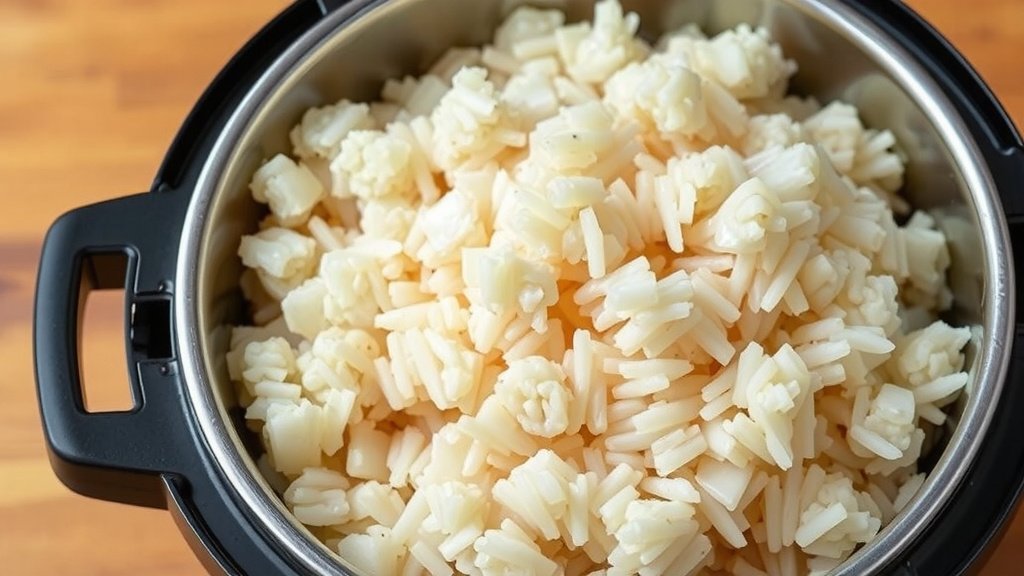
Your rice might be mushy in the rice cooker because you used too much water. Rice cooker cooking is precise. Too little water, and it’s hard. Too much water, and it turns into a gooey mess. Getting the water-to-rice ratio right is the most common fix.
Other common culprits for sticky, mushy rice include using the wrong type of rice for your cooker, or not rinsing your rice properly. Sometimes, a cooker malfunction or even a simple mistake in measuring can lead to less-than-perfect results. We’ve all been there, hoping for fluffy grains and getting a starchy paste.
- Too much water is the main reason for mushy rice.
- Always measure water and rice accurately.
- Rinsing rice removes excess starch.
- Use the right rice type for your cooker.
- Check your rice cooker’s instructions.
Let’s break down why your rice cooker might be turning your perfect grains into a sticky situation, and how to fix it for fluffy rice every time.
“`htmlUnderstanding Why Your Rice Gets Mushy in the Cooker
So, your rice cooker is supposed to be the magic machine for perfect rice. But sometimes, it feels more like a mush-maker. Don’t worry, you’re not alone! We’ve all pulled the lid off to find a sticky, gummy mess instead of fluffy grains. Let’s figure out what’s going wrong and how to get your rice back on track.
The Water-to-Rice Ratio: Your Rice Cooker’s Sweet Spot
This is the big one. Getting the water amount just right is the most common reason rice turns out too soft. Rice cooker recipes usually give you a specific ratio. Stick to it! Even a little too much water can turn your perfectly cooked rice into a starchy pudding.
Why the Ratio Matters So Much
Rice grains absorb water as they cook. This swelling process makes them tender and fluffy. Too little water, and the grains won’t swell properly, leaving them hard and undercooked. Too much water, and they soak up excess liquid. This makes them break down too much, releasing starches that make the rice mushy and gummy.
How to Measure Accurately
Always use the measuring cup that came with your rice cooker. If you don’t have one, use a standard dry measuring cup. For the water, use a liquid measuring cup. Remember, dry ingredients and liquid ingredients measure differently.
Many rice cooker manuals include lines inside the pot. These lines are super helpful. They show you the correct water level for a specific amount of rice. For example, the ‘2’ line means water for two cups of rice. This takes the guesswork out of it.
Common Measuring Mistakes to Avoid
Don’t eyeball it! This is where many people go wrong. It’s easy to think you know how much water you need. But a little extra can lead to a big mushy problem. Always measure both your rice and your water precisely.
The Role of Rice Type and Preparation
Not all rice is created equal. The type of rice you use can also impact the final texture. Plus, how you prepare it before cooking makes a huge difference.
Different Rice Varieties, Different Needs
Long-grain rice, like Basmati or Jasmine, tends to be fluffier. Short-grain rice, often used for sushi, can be a bit stickier. And Arborio rice, used for risotto, is meant to be creamy and break down. Your rice cooker might be designed for a certain type of rice. Check your cooker’s manual for recommendations.
If you’re using a rice that naturally absorbs more water, you might need slightly less liquid than a standard long-grain rice. Conversely, if your rice is very small-grained, it might need a bit more water to get tender.
The Importance of Rinsing Your Rice
This step is often skipped, but it’s vital for preventing mushy rice. Rinsing rice removes excess surface starch. This starch is what makes rice gummy and sticky. Think of it like washing dishes before you put them in the dishwasher. It helps remove the residue.
Put your rice in a bowl or fine-mesh sieve. Swish it around with your hand under cold running water. Keep rinsing until the water runs mostly clear. You’ll see the water start cloudy and then become clearer with each rinse. This process can take several minutes, but it’s worth it.
Many experts recommend rinsing rice until the water is almost clear (NCBI). This helps remove the soluble starch that can lead to that undesirable gummy texture. So, don’t skip this important preparation step!
Soaking Your Rice: A Helpful Option?
Sometimes, soaking rice for 20-30 minutes before cooking can help it cook more evenly. This is especially true for older rice or very hard grains. Soaking allows the grains to absorb some moisture upfront. This can result in a fluffier, more tender final product. However, if you soak your rice, you might need to slightly reduce the cooking water. This is because the rice has already absorbed some liquid.
Rice Cooker Specifics and Troubleshooting
Your rice cooker itself can sometimes be the reason for mushy results. Let’s look at a few things to check.
Understanding Your Rice Cooker’s Settings
Most modern rice cookers have a simple ‘cook’ and ‘warm’ function. However, some have specific settings for different types of rice, like brown rice, white rice, or quick cook. If you’re using a ‘quick cook’ setting, it might not allow enough time for the rice to properly absorb water and cook through evenly. This can sometimes lead to a slightly mushy exterior with a harder interior, or just overall softness if too much water was added for the shorter time.
Is Your Rice Cooker Working Properly?
A malfunctioning rice cooker could be the culprit. If the heating element isn’t working correctly, or the thermostat is off, it won’t cook the rice at the right temperature. This can lead to uneven cooking or a mushy outcome. Most rice cookers are pretty reliable, but if you suspect a problem, check if it’s heating up properly. You can also test it with just water to see if it boils as expected.
Cleaning and Maintenance Matter
A dirty rice cooker can affect performance. Food particles or residue can build up inside the cooker or around the heating element. This can interfere with the cooking process. Make sure you clean your rice cooker bowl and lid after each use. Following the manufacturer’s cleaning instructions will keep it running smoothly.
A Quick Checklist for Fluffy Rice
Ready to get back to perfectly cooked rice? Keep this handy checklist by your rice cooker:
- Always use the correct water-to-rice ratio specified for your cooker or rice type.
- Measure rice and water accurately using the right measuring cups.
- Rinse your rice thoroughly until the water runs clear.
- Use the recommended type of rice for your cooker or recipe.
- Clean your rice cooker regularly to ensure proper function.
- When in doubt, consult your rice cooker’s instruction manual.
Conclusion
Achieving perfectly fluffy rice in your rice cooker isn’t a mystery! You’ve learned that the water-to-rice ratio is your most powerful tool. Precision in measuring, proper rinsing to remove excess starch, and choosing the right rice variety all play a part. Don’t forget to keep your cooker clean and consult its manual when in doubt.
Next time you cook rice, take a moment to double-check these steps. You’re well on your way to consistently delicious, non-mushy rice with every use!
Frequently Asked Questions
How much water should I add to my rice cooker?
Always refer to your rice cooker’s manual or the specific rice package for the recommended water-to-rice ratio. This is usually measured with the cup that came with your cooker, and often indicated by lines inside the pot. Sticking to these guidelines is key to avoiding mushy rice.
Can I use any type of rice in my rice cooker?
While most rice cookers can handle various rice types, some perform better with specific grains. Long-grain rice generally cooks fluffier, while short-grain can be stickier. It’s best to check your rice cooker’s manual for recommended rice types or adjust the water ratio slightly based on the rice you are using.
Does rinsing rice really make a difference for mushiness?
Yes, rinsing rice is a critical step for preventing mushiness. It removes excess surface starch, which is the primary cause of gummy or sticky rice. Continue rinsing until the water runs mostly clear for the best results.
What if my rice is mushy even when I follow the ratio?
If you’ve confirmed you’re using the correct ratio and rinsing your rice, check your rice cooker’s settings. Sometimes a “quick cook” function may not allow adequate cooking time, leading to softness. Also, ensure your rice cooker is functioning properly and heating evenly.
Can I soak my rice before putting it in the rice cooker?
Soaking rice for about 20-30 minutes can help it cook more evenly, especially for older or harder grains. However, if you soak your rice, you might need to slightly reduce the amount of cooking water. This is because the rice will have already absorbed some moisture.