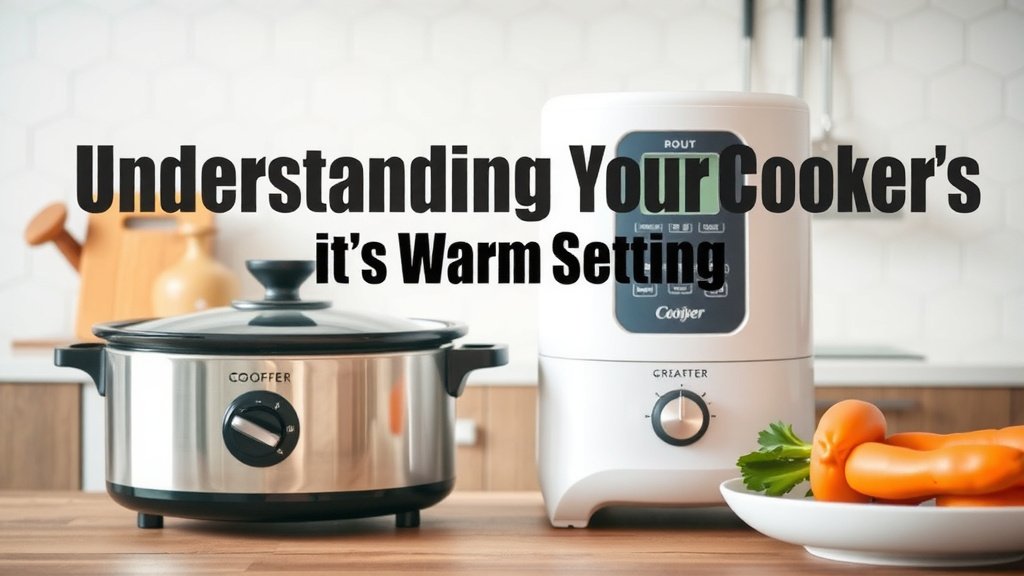
Understanding Your Cooker’s Warm Setting
The warm setting on your cooker, often labeled as “Warm” or “Keep Warm,” is specifically designed to hold food at a safe, low temperature after cooking. It’s not meant for active cooking, but rather to keep dishes ready for serving without overcooking them. Think of it as a gentle hug for your food.
Many people confuse this setting with a low oven temperature, but its primary purpose is food safety. It maintains a temperature above the “danger zone” (40°F to 140°F) where bacteria can multiply rapidly. Using this setting ensures your meals stay hot and safe for a reasonable amount of time, offering convenience for busy households.
- The warm setting keeps food hot, not cooks it.
- It prevents bacteria growth by staying above 140°F.
- Use it for dishes ready to serve later.
- It’s different from a low oven temperature.
Let’s dive into exactly what this warm setting is and how you can use it best for your meals.
Understanding Your Cooker’s Warm Setting
So, you’ve finished cooking a delicious meal, but dinner isn’t quite ready for everyone. What do you do? Many modern cookers come equipped with a special “Warm” setting. This feature is designed to do exactly what its name suggests: keep your food warm. It’s a handy tool for busy kitchens, ensuring your meals are ready when you are, without overcooking.
But how does it work, and what’s the science behind it? Let’s break down this useful function so you can use it confidently. It’s more than just a low heat; it’s a carefully controlled temperature zone. Understanding its purpose can save you from food waste and last-minute cooking stress. Think of it as your kitchen’s patient helper.
The Science Behind Keeping Food Warm
The primary goal of the warm setting is food safety. You might know about the “danger zone” for food temperatures. This is the range between 40°F and 140°F (4°C and 60°C). Bacteria can multiply very quickly in this temperature range. Warm setting aims to keep food safely above that threshold.
Staying Out of the Danger Zone
We found that most warm settings operate between 140°F and 170°F (60°C and 77°C). This temperature range is high enough to inhibit bacterial growth. The U.S. Department of Agriculture (USDA) recommends keeping hot food at or above 140°F. So, when you use your warm setting, you are actively preventing foodborne illnesses.
It’s Not for Cooking!
It’s really important to remember that this setting is not meant for cooking food. If you try to cook raw ingredients on the warm setting, they simply won’t reach a safe internal temperature. You also can’t reheat leftovers effectively on this setting. It’s purely for maintaining the temperature of already cooked food.
How and When to Use the Warm Setting
You might be wondering when this feature is most useful. Think about those times when guests are arriving at different times, or when one part of your meal is ready much sooner than another. This is where the warm setting shines.
Timing Your Meals Perfectly
Are you hosting a buffet? The warm setting is ideal for keeping dishes like casseroles, mashed potatoes, or cooked meats hot and ready to serve. You can cook these items a little ahead of time and transfer them to the warm setting. This means you won’t be rushing to finish cooking everything at the last minute.
Consider a holiday dinner or a large family gathering. You’ve worked hard preparing multiple dishes. Instead of trying to time everything to be perfectly done at the exact same second, you can use the warm setting. It provides a buffer, giving you more flexibility and less stress. Many families find this makes hosting much more enjoyable.
Keeping Components Hot
Sometimes, different parts of your meal have different cooking times. For instance, your roasted chicken might be done, but your side dishes still need another 20 minutes. You can place the chicken in a suitable oven-safe dish on the warm setting. This keeps it at a safe and appealing temperature while the rest of your meal finishes cooking.
It’s also great for keeping soups and stews warm. If you’re serving chili or a hearty stew, you can let it simmer on the warm setting after it’s fully cooked. This way, it stays at the perfect temperature for dipping tortilla chips or scooping into bowls.
What Cookware Works Best?
You can generally use any oven-safe dish on the warm setting. Glass, ceramic, and most metal bakeware will work just fine. Just ensure the dish is covered loosely with foil if it doesn’t have a lid. This helps to prevent the food from drying out too much.
Some cookers have a specific “warming drawer” which functions similarly. These drawers are designed to hold plates and cooked food. If your cooker has one, it’s a fantastic way to ensure your plates are warm when you serve the food, making your meal even more enjoyable.
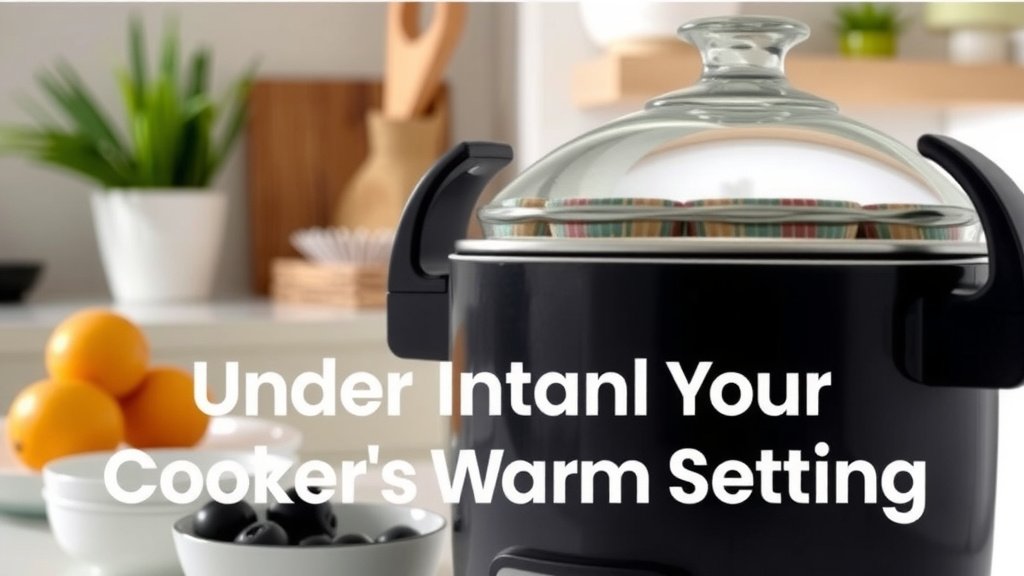
Warm Setting vs. Low Oven Temperature
It’s easy to confuse the warm setting with a low oven temperature, but they serve different purposes. A low oven temperature, say 200°F (93°C), is still meant for cooking, albeit slowly. It can brown food or finish cooking items that need gentle heat.
| Feature | Warm Setting | Low Oven Temperature |
|---|---|---|
| Primary Purpose | Keep already cooked food hot and safe | Slow cooking or finishing dishes |
| Typical Temperature Range | 140°F – 170°F (60°C – 77°C) | 200°F – 275°F (93°C – 135°C) |
| Food Safety | Keeps food above the bacterial danger zone | May or may not keep food above the danger zone consistently |
| Use Case | Holding cooked food before serving | Baking, roasting, or low-temperature cooking |
The warm setting, on the other hand, is calibrated to stay just above the danger zone. It’s not hot enough to cook or significantly alter the texture of your food. Think of it as a gentle holding pattern. Many experts suggest using the warm setting for no more than a couple of hours to maintain optimal quality and safety.
Tips for Using Your Cooker’s Warm Setting Effectively
To get the most out of this feature, follow these simple tips:
- Ensure food is fully cooked before using the warm setting.
- Use appropriate oven-safe dishes that can handle sustained heat.
- Cover food loosely to prevent it from drying out too much.
- Avoid prolonged use (ideally, use for no more than 2-4 hours).
- Check food temperature periodically to ensure it remains above 140°F.
- Don’t use it for raw ingredients or for reheating food.
By understanding the function and limitations of your cooker’s warm setting, you can use it to your advantage. It’s a fantastic tool for busy kitchens, helping you serve perfectly warm and safe food every time. Give it a try the next time you need a little extra flexibility in your meal timing!
Conclusion
You’ve learned that your cooker’s warm setting is a smart tool for keeping food safe and delicious after cooking. It’s not for active cooking, but for holding dishes at the ideal temperature, preventing bacterial growth by staying above 140°F. This feature offers amazing convenience, especially when hosting or managing different meal components. By understanding its purpose and limitations, you can avoid overcooking and last-minute rushes. Next time you’re preparing a meal that needs to wait a bit, confidently use your warm setting to keep everything perfectly ready to serve!
Frequently Asked Questions
Can I reheat leftovers using the warm setting?
No, you should not reheat leftovers on the warm setting. This setting is designed to maintain the temperature of already hot food, not to bring cold food up to a safe temperature. Reheating requires higher temperatures to kill potential bacteria.
How long can I safely keep food on the warm setting?
Experts generally recommend using the warm setting for no more than 2 to 4 hours. While it keeps food above the danger zone, quality can decrease over longer periods. Always check that the food remains hot and hasn’t dried out.
Will food dry out if left on the warm setting for too long?
Yes, food can start to dry out if left on the warm setting for an extended time, especially if uncovered. Loosely covering dishes with foil or a lid can help retain moisture and prevent this from happening.
Is the warm setting suitable for all types of cookers?
Most modern electric and gas cookers, as well as many multi-cookers and slow cookers, come equipped with a warm setting. Always check your cooker’s manual to confirm if it has this feature and for any specific instructions.
What’s the difference between the ‘Warm’ setting and a ‘Keep Warm’ function?
There is generally no difference. The terms “Warm setting” and “Keep Warm function” are used interchangeably to describe the same feature. Both refer to the cooker’s ability to hold cooked food at a safe, elevated temperature.