Master Your Range Cooker: A Beginner’s Guide
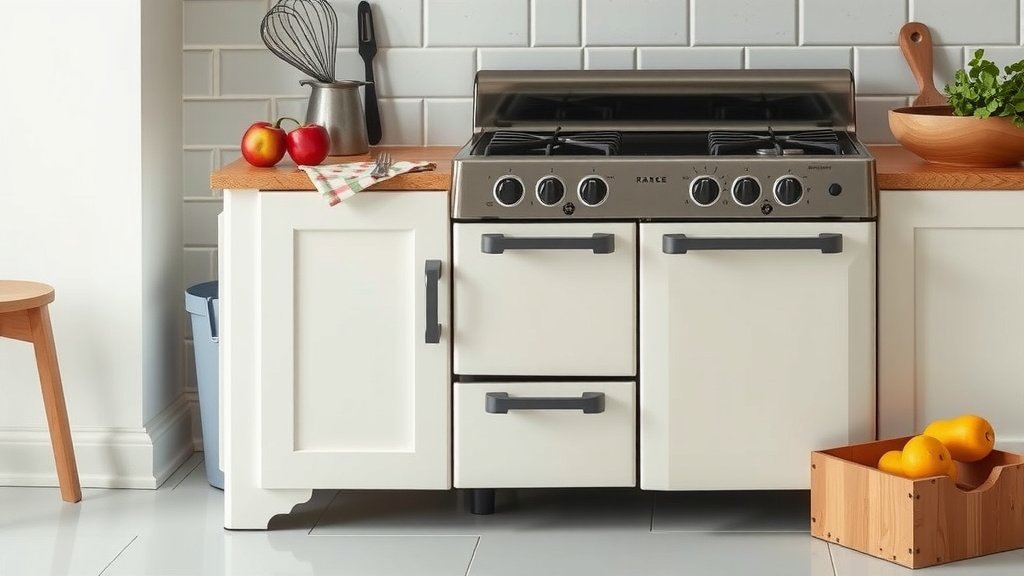
Using a range cooker is simpler than you might think, even if it looks intimidating. You can easily control heat using the knobs and levers. Most range cookers have separate oven compartments and a stovetop for versatile cooking. Just remember to preheat your ovens for best results.
These versatile appliances offer multiple cooking zones and oven spaces. This means you can simmer, boil, bake, and roast all at once. Many home cooks love range cookers for their ability to handle large meals and entertaining. They often add a charming focal point to your kitchen.
- Range cookers offer multiple cooking functions at once.
- Control heat with simple knobs and levers.
- Preheat ovens for optimal cooking.
- They are great for large meals and entertaining.
Let’s walk through how to get the most out of your range cooker, step by step.
Getting Started with Your Range Cooker
So, you’ve got a beautiful range cooker in your kitchen. It might look a bit like a spaceship’s control panel, but don’t worry! Using it is much more intuitive than you probably think. We’re here to guide you through the basics so you can start creating delicious meals right away.
Range cookers are fantastic because they give you multiple cooking options all in one place. You can have something baking in one oven while you’re frying or simmering on the hob. It’s like having a whole professional kitchen scaled down for your home!
Understanding Your Cooker’s Controls
The first step to mastering your range cooker is understanding its various knobs and levers. They might look complex, but they each have a specific job. Most range cookers will have separate controls for the oven functions and the hob burners.
The Hob Controls
Your hob likely has a knob for each burner or heating zone. Turning the knob usually moves it through different heat settings. You’ll often see markings like low, medium, and high, or even numbers like 1 through 9. These give you precise heat management.
- Find the knob that corresponds to the burner you want to use.
- Turn it to your desired heat setting.
- Listen for a click or watch for a spark if you have an auto-ignition model.
The Oven Controls
Range cookers often have two ovens, sometimes with different functions. You might have a conventional oven and a fan (convection) oven. Each oven will have its own set of controls.
Oven Temperature Selection
One knob will typically control the temperature setting for the oven. Similar to the hob, you’ll find markings indicating different temperatures, often in degrees Fahrenheit or Celsius. You’ll need to set this before you want to start cooking.
Oven Function Selection
Another set of knobs or a selector dial will control the oven’s function. These might include baking, grilling (broiling), fan-assisted cooking, or even defrosting. Understanding these functions is key to getting the best results for different types of food.
For example, a fan oven circulates hot air, cooking food more evenly and often faster. This is great for roasting vegetables or baking multiple trays of cookies. A conventional oven heats from elements at the top and bottom, which is good for traditional baking and can create a lovely crisp texture on top.
Preheating: The Secret to Success
This is a vital step many people skip, but it makes a huge difference. Just like a regular oven, your range cooker’s ovens need time to reach the set temperature before you put your food in.
We found that preheating for at least 10-15 minutes ensures a consistent cooking environment (Many culinary schools recommend this). This prevents your food from cooking unevenly or sticking. Look for an indicator light on the cooker; it usually turns off or changes color when the oven is ready. Patience here truly pays off!
Using the Different Cooking Zones
The magic of a range cooker lies in its versatility. You’re not limited to just one or two cooking methods at a time.
Hob Zones: From Gentle Simmers to Rapid Boils
Your hob offers several dedicated cooking zones. These can range from small burners perfect for simmering sauces to large, powerful ones that bring a pot of water to a boil in minutes. The key is to match the pan size to the burner size for efficient heat transfer.
A rule of thumb from many kitchen appliance guides is that the base of your pan should not extend much beyond the edge of the heating element or gas flame. This prevents wasted energy and ensures even cooking. Using the right size pan also helps prevent sauces from burning around the edges.
Oven Compartments: Baking, Roasting, and More
If your range cooker has two ovens, you have a wonderful opportunity for multitasking. You can roast your chicken in one while baking a cake in the other.
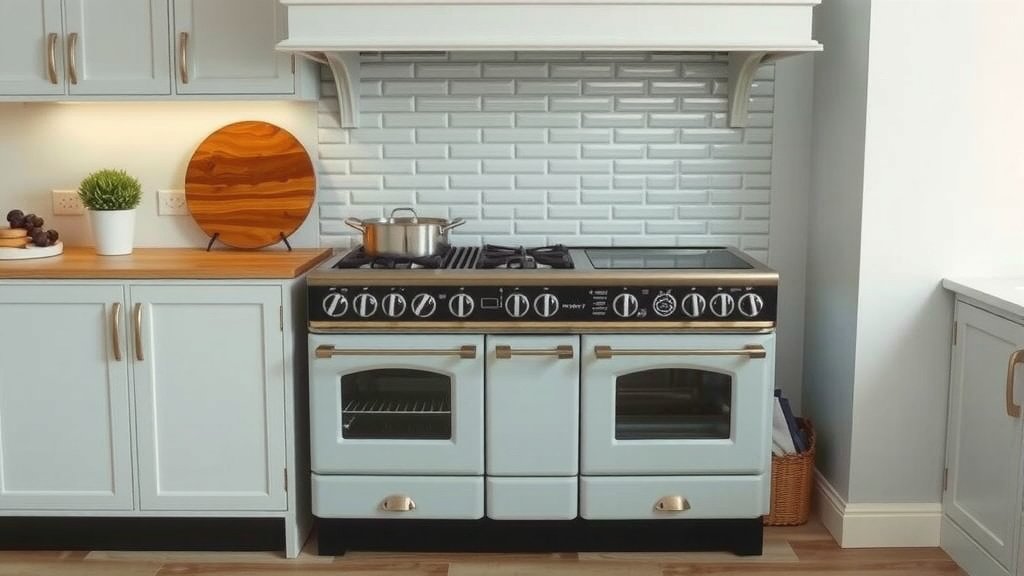
Consider the type of oven you’re using. If one is a fan oven, it’s excellent for getting that crispy skin on poultry or roasting multiple dishes at once. The conventional oven might be better for delicate pastries that need a gentler, more even heat distribution from top and bottom elements.
A Quick Comparison of Oven Types
To help you decide which oven to use for what, here’s a simple guide:
| Oven Type | Best For | Why It Works |
|---|---|---|
| Conventional Oven | Traditional baking, delicate cakes, custards, pastry | Gentle, even heat from top and bottom elements. Less air movement means less risk of drying out delicate items. |
| Fan (Convection) Oven | Roasting meats and vegetables, baking multiple trays, pizzas | Hot air circulates, cooking food faster and more evenly. Great for achieving crisp textures. |
Tips for Mastering Your Range Cooker
Here are a few extra tips we’ve gathered to help you feel more confident:
- Read Your Manual: Seriously, it’s your best friend. Every range cooker is slightly different, and the manual will have model-specific advice.
- Experiment with Heat Settings: Don’t be afraid to adjust the knobs. You’ll quickly learn what heat setting works best for your favorite recipes.
- Clean as You Go: Spills happen! Wiping them up while the cooker is still slightly warm (but not hot!) makes cleaning much easier.
- Use Appropriate Cookware: Heavy-based pans work best on the hob for even heat distribution.
- Consider Pan Placement: For baking, place your oven racks in the correct position (usually the middle) for the most even results.
Making the Most of Special Functions
Some range cookers come with extra features like warming drawers or dedicated pizza functions. Explore these! A warming drawer is perfect for keeping plates warm or finishing off slow-cooked dishes without them drying out. These little extras can really enhance your cooking experience.
You’ve got this! By understanding the controls and practicing a few times, you’ll be a range cooker pro in no time. Enjoy the freedom and flexibility it brings to your kitchen!
Conclusion
You’ve now learned the essentials of using your range cooker. We covered how to understand its knobs and levers for precise control over both the hob and oven functions. Remember that preheating your ovens is key for consistent results. By matching your cookware to the right hob zone and understanding the differences between oven types, you can tackle any recipe. Don’t hesitate to experiment with your cooker’s capabilities and consult your manual. Your next delicious meal is just a few simple steps away!
Frequently Asked Questions
How do I know which oven to use on my range cooker?
For delicate baking like cakes and pastries, your conventional oven is often best. If you need faster, more even cooking, especially for roasting meats or baking multiple items, the fan (convection) oven is usually your go-to. Research and found that this distinction greatly improves results.
Is it really necessary to preheat the oven on a range cooker?
Absolutely! Preheating ensures your oven is at the correct, stable temperature before food goes in. We’ve found this prevents uneven cooking, helps baked goods rise properly, and stops food from sticking. Most models have an indicator light to show when it’s ready.
What’s the best way to control heat on the hob?
Each hob burner or zone typically has its own control knob. Turn it to the desired heat setting, from low for simmering to high for boiling. Pay attention to markings and listen for clicks or look for sparks if you have auto-ignition. Precise heat management is key to successful stovetop cooking.
Can I cook different things in both ovens at the same time?
Yes, that’s one of the biggest advantages of a range cooker! You can roast vegetables in one oven while baking a cake in the other. Just be mindful of the temperature and function needed for each dish to ensure they cook perfectly.
How do I clean spills on my range cooker?
It’s best to tackle spills as soon as possible. Wipe them up while the cooker is still slightly warm, but not hot, using a damp cloth and mild detergent. This prevents food from hardening and making cleaning more difficult later on. Regular cleaning will keep your range cooker looking its best.