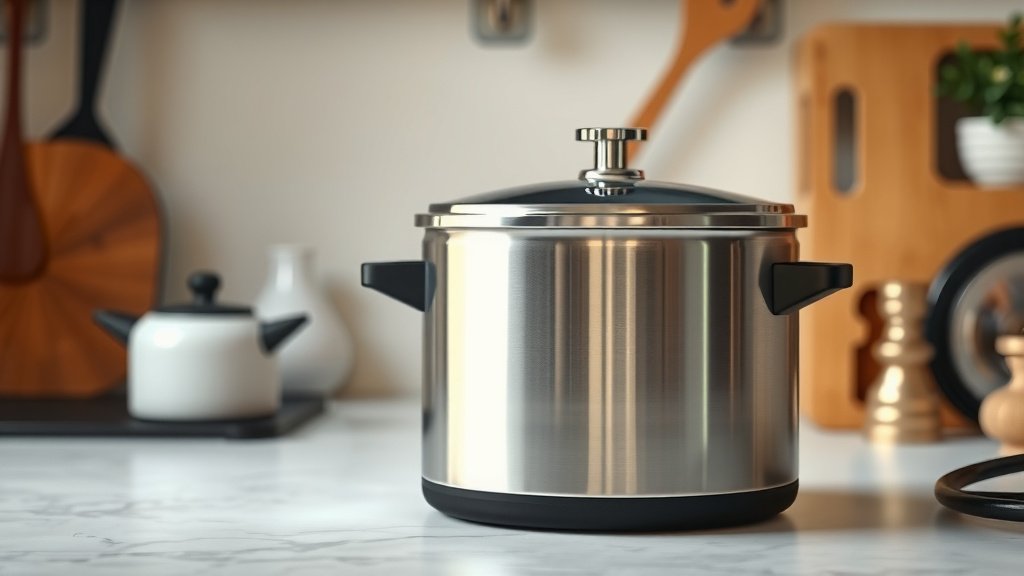
What is a Stovetop Pressure Cooker? Your Guide
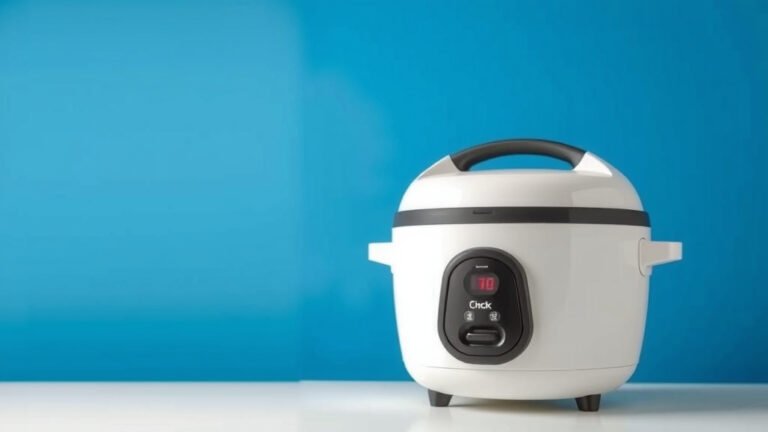
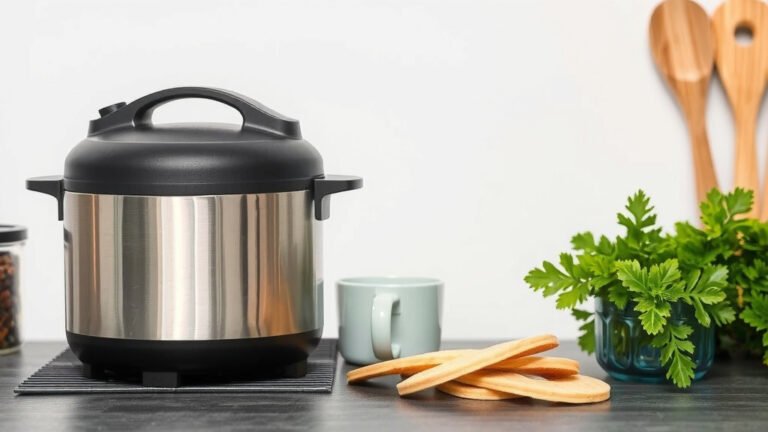
A stovetop pressure cooker is a kitchen pot that cooks food much faster than conventional methods. It works by trapping steam, which builds up pressure inside the pot. This increased pressure raises the boiling point of water, allowing food to cook at a higher temperature and significantly reducing cooking times.
You might be wondering how this magical pot actually works. We found that the sealed lid is the key. It locks in steam and heat, forcing liquids to reach temperatures well above their normal boiling point. This means dishes like stews, beans, and grains can go from raw to ready in a fraction of the usual time, making it a real time-saver for busy cooks.
- It’s a sealed pot for faster cooking.
- Uses trapped steam to increase pressure.
- Raises boiling point for higher cooking temps.
- Drastically cuts down meal prep time.
- Great for tough cuts of meat, beans, and grains.
Ready to discover how this kitchen hero can transform your cooking? Let’s dive into what makes a stovetop pressure cooker so special and how you can start using one.
Understanding Your Stovetop Pressure Cooker
So, you’ve got this pot that promises faster meals. But how does a stovetop pressure cooker actually achieve its speed and efficiency? It’s all about physics and a bit of kitchen magic. You’re essentially creating a mini-steamer that works under pressure, pushing heat into your food at a remarkable rate. We found that understanding this core mechanism makes using it much less intimidating.
How the Pressure Builds: The Science Simplified
Imagine a pot with a lid that seals tightly. When you add liquid and heat it up, it begins to boil and create steam. In a regular pot, this steam escapes freely. A pressure cooker, however, traps that steam. As more steam is generated, it has nowhere to go, so the pressure inside the pot increases.
Think of it like a car tire. As you pump air into it, the pressure builds, making the tire firm. In your pressure cooker, this building pressure does something fascinating to the water inside. It raises the boiling point of water significantly above the standard 212°F (100°C).
The Magic of Higher Temperatures
Many experts say that water normally boils at 212°F (100°C) at sea level. But when you increase the pressure inside a sealed pot, that boiling point can climb to 240°F (115°C) or even higher, depending on the pressure level. This means your food is cooking at a much hotter temperature. This higher heat can cook foods like tough meats or dried beans in a fraction of the time. We found this is the primary reason for the dramatic reduction in cooking duration.
Key Components of a Stovetop Pressure Cooker
To understand how it works, let’s look at the main parts you’ll find on most stovetop models. They’re designed to be safe and effective. We researched and found these components are standard across many brands and styles.
The Pot and Lid: A Perfect Seal
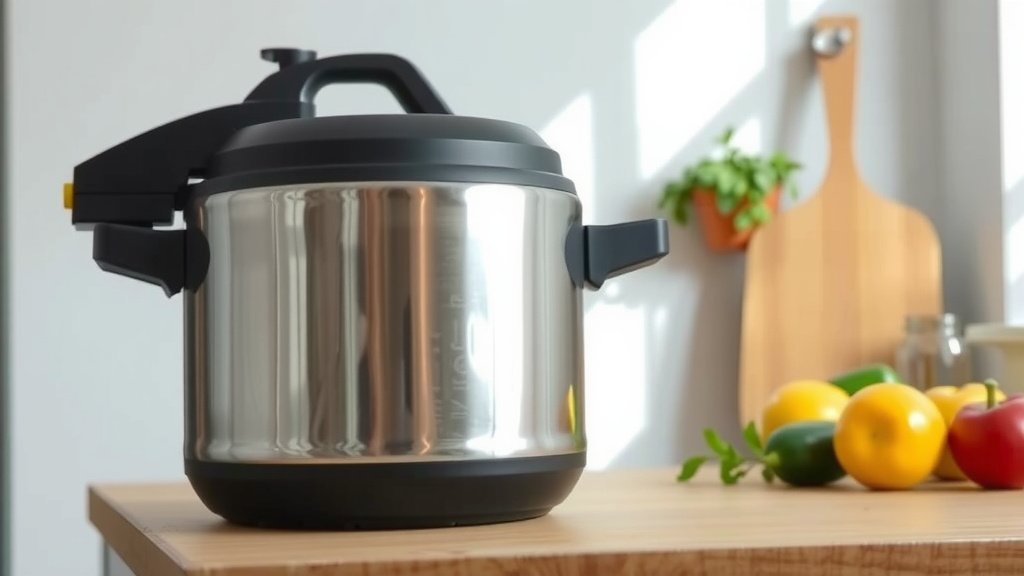
The pot itself is usually made of sturdy stainless steel or aluminum. The most important part is the lid, which has a locking mechanism. This lid creates an airtight seal. It’s crucial for trapping the steam and building pressure. You’ll often see a rubber or silicone gasket around the rim of the lid that helps achieve this seal. This gasket is your assurance of a good, tight closure.
Pressure Regulator or Weight
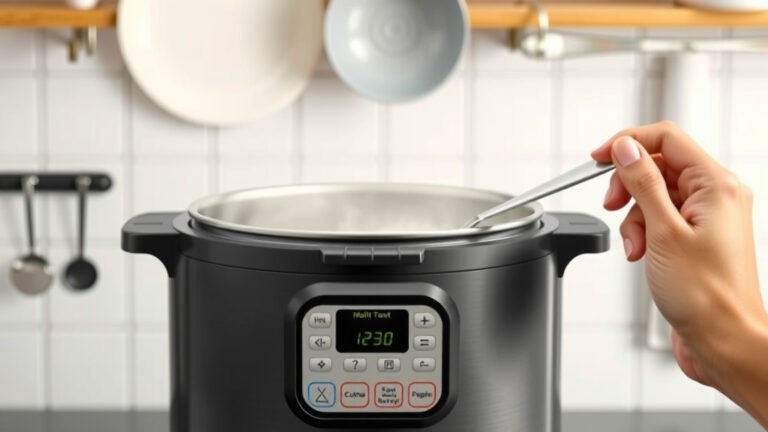
This is the part that controls how much pressure builds up. Early models used a simple weighted valve. You place a small weight on a vent pipe. When the pressure reaches a certain level, it lifts the weight, releasing just enough steam to maintain that pressure. More modern cookers might have a spring-loaded valve system that indicates pressure with a dial or a pop-up indicator. We found that understanding your cooker’s specific regulator is key to safe operation.
Safety Valves: Your Protection
Safety is a big deal with pressure cookers, and manufacturers include multiple safety features. You’ll typically find at least two safety valves. One is usually part of the pressure regulator system. The other is often a small plug or valve designed to release excess pressure if the primary regulator fails. This prevents dangerous over-pressurization. Many guidelines point to these valves as essential safety features (Cleveland Clinic).
How Pressure Cooking Compares to Other Methods
You might be wondering how this stacks up against your usual cooking methods. We looked at the numbers and found some compelling differences. Let’s break it down.
Speed: The Obvious Advantage
This is where pressure cookers truly shine. Dishes that might take hours on the stovetop or in a slow cooker can be ready in under an hour. For example, dried beans that usually require overnight soaking and 1-2 hours of simmering can be perfectly tender in about 20-30 minutes. Tough cuts of meat, like a pot roast, can become fall-apart tender in 45-60 minutes instead of 3-4 hours. We found that this speed is a game-changer for weeknight meals.
Nutrient Retention: A Healthy Bonus
Because the cooking time is so much shorter, your food is exposed to heat for less time. This means more of the vitamins and minerals can be preserved. Research indicates that pressure cooking can retain more water-soluble vitamins than boiling or simmering methods (NCBI). You’re not losing as much goodness down the drain with the cooking liquid. It’s a nice healthy perk!
Energy Efficiency: Saving Resources
Cooking faster also means using less energy. Your stovetop or electric burner is on for a shorter duration. This can translate into a small but welcome saving on your utility bills. We found that many users report noticing a difference in energy consumption over time. It’s a greener way to cook too.
| Method | Typical Cooking Time (Example: Dried Beans) | Nutrient Retention | Energy Use |
|---|---|---|---|
| Conventional Simmering | 1.5 – 2 hours (plus soaking) | Moderate | High |
| Slow Cooker | 6 – 8 hours | Good | Moderate |
| Stovetop Pressure Cooker | 20 – 30 minutes (no soaking needed) | Excellent | Low |
Getting Started with Your Pressure Cooker: A Quick Checklist
Ready to give it a whirl? Before you start, make sure you’ve got these basics covered. It helps ensure a smooth and successful cooking experience. We found these steps to be universally helpful.
- Read your manual thoroughly.
- Ensure the gasket is clean and properly seated.
- Check that all valves are clear and unobstructed.
- Always add the minimum required liquid.
- Never fill the pot more than two-thirds full.
- Understand how to safely release the pressure.
Conclusion
You now understand what makes a stovetop pressure cooker such a remarkable kitchen tool. It’s a simple yet effective way to cook faster and more efficiently by harnessing the power of steam and pressure. We’ve seen how this technology raises cooking temperatures, drastically cutting down meal prep times for everything from tough meats to dried beans. Plus, you get the added benefits of better nutrient retention and energy savings. Ready to experience these benefits yourself? Your next step is to pick out a pressure cooker that fits your needs and start experimenting with recipes.
Frequently Asked Questions
Are stovetop pressure cookers difficult to use?
Many people find them less intimidating than they expect. Once you understand the basic principles and safety features, they become quite straightforward. Reading your manual is the best first step we found to build confidence.
Do pressure cookers make food mushy?
Not if used correctly! The high-speed cooking often results in tender, flavorful food. Overcooking is the main cause of mushiness, so following recipe timings carefully is key.
How much liquid do I need to use in a pressure cooker?
You always need to add a minimum amount of liquid, usually around 1 cup, to generate steam. The exact amount varies by recipe, but never fill the cooker more than two-thirds full.
What kind of foods are best for pressure cooking?
They excel with foods that normally take a long time to cook. Think dried beans, tough cuts of meat, stocks, and grains. You can also cook vegetables and even some desserts.
Are stovetop pressure cookers safe to use?
Modern stovetop pressure cookers have multiple safety valves designed to prevent over-pressurization. Always ensure your cooker is in good condition and follow operating instructions for maximum safety.