Master Your Induction Cooker: A Beginner’s Guide
Using an induction cooker is actually quite simple and very safe. You just need to ensure you have the right cookware and follow a few basic steps. Think of it as a smart stovetop that uses magnetism to heat your pans directly, making cooking faster and more efficient.
This modern cooking method is gaining popularity for its speed and energy savings. Unlike traditional stoves, induction heats the pot itself, not the air around it. This means less wasted energy and a cooler kitchen, which we all appreciate! You’ll find it offers precise temperature control, making it a joy for many home cooks.
TL;DR:
- Induction cookers heat pots directly with magnets.
- Use only magnetic cookware (like cast iron or certain stainless steel).
- Place cookware on the marked zone.
- Select your heat setting.
- Clean spills quickly for best results.
Ready to get cooking? Below, we’ll walk you through exactly how to use your induction cooker, from choosing the right pans to mastering the controls.
“`htmlGetting Started with Your Induction Cooktop
So, you’ve got a shiny new induction cooktop! It might look a little different from your old stove, but don’t worry. Using it is surprisingly straightforward. Think of it as a modern upgrade that makes cooking quicker and safer.
The biggest difference you’ll notice is how fast it heats up. We’re talking minutes, not ages. This speed comes from the way it works: using magnets to directly heat your cookware. This means less wasted heat and a cooler kitchen. Isn’t that a nice thought for a warm day?
Understanding Induction Cookware Requirements
This is **the most important step** before you start cooking. Not all pots and pans will work with an induction cooktop. You need cookware with a magnetic base.
How to Check if Your Cookware is Induction-Ready
It’s easy to test your existing pots and pans. Grab a magnet from your fridge. If it sticks firmly to the bottom of the pan, you’re good to go! If the magnet slides off easily, that pan likely won’t work on your induction surface.
Materials like cast iron and magnetic stainless steel are usually your best bet. Look for labels that specifically state “induction compatible” when you’re buying new cookware. This saves you a lot of guesswork!
Common Cookware Materials that Work (and Don’t)
Here’s a quick rundown:
- Works Well: Cast iron, enameled cast iron, magnetic stainless steel.
- Usually Doesn’t Work: Aluminum, copper, glass, ceramic, non-magnetic stainless steel.
Some manufacturers even include a little induction symbol on their cookware. It looks like a coil of wire. Keep an eye out for that!
Placing Your Cookware Correctly
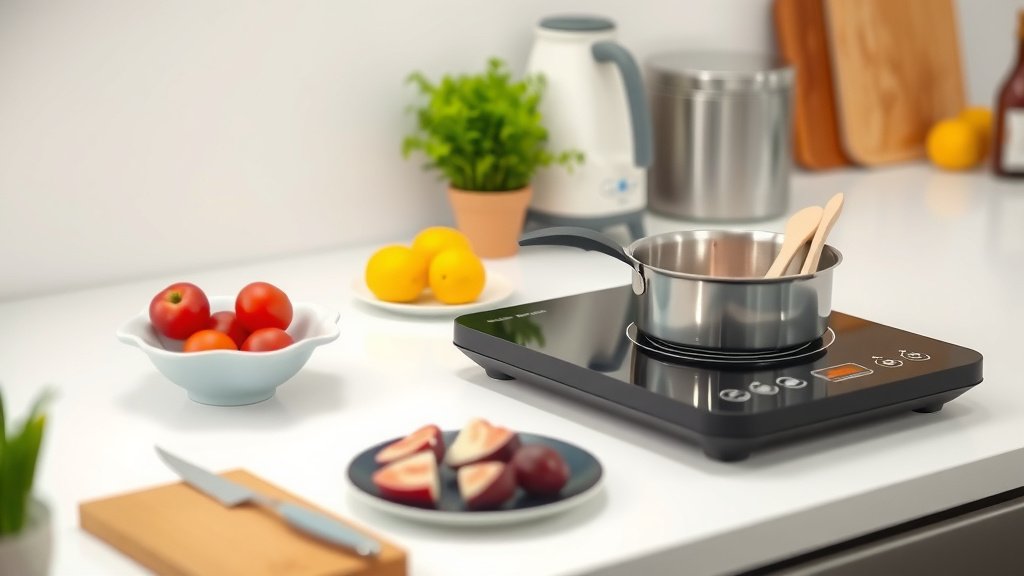
Induction cooktops have designated cooking zones, usually marked by circles. Your cookware needs to sit within these circles. It’s not just about aesthetics; this placement is key for efficient heating.
Centering is Key
Always try to center your pot or pan on the marked zone. This ensures the magnetic field is evenly distributed. An off-center pan might heat unevenly. We don’t want any hot spots or cold spots in our food, do we?
What if My Pan is Slightly Larger or Smaller?
Don’t stress too much if your pan doesn’t perfectly fill the circle. As long as the majority of the pan’s base is within the zone and centered, it should work fine. For very small pans, ensure they are well within the zone to catch enough heat.
Operating Your Induction Cooker Controls
Once your magnetic cookware is in place, it’s time to turn things on. The controls are usually quite intuitive, often featuring touch-sensitive buttons or dials.
Powering On and Off
Look for a power button, often marked with a circle and a line. Pressing this will activate the cooktop. To turn it off, press and hold the same button. It’s usually a **very simple process**.
Selecting Heat Settings
This is where the magic happens! You’ll typically see plus (+) and minus (-) buttons, or a slider, to adjust the heat level. Some cooktops use numbered settings, while others have more abstract icons like “simmer” or “boil.”
We found that starting with a medium setting is often a good approach. You can then adjust up or down as needed. The **precise temperature control** is one of the best features of induction cooking. It’s much easier to go from a rolling boil to a gentle simmer with just a touch.
Understanding Power Levels
Different models have different power level indicators. Some use numbers from 1 to 10, others go higher. Some might even have a “boost” function for rapid heating. Research and found that lower numbers are for gentle warming and simmering, while higher numbers are for boiling and searing. It’s like having a dimmer switch for your heat!
Using Specific Functions
Many induction cooktops come with pre-set functions. You might see buttons for “boil,” “simmer,” “fry,” or “keep warm.” These are designed to automatically set the optimal power level for specific tasks. They can be a real **time-saver** for common cooking needs.
Cooking Tips for Induction
Now that you know the basics, let’s talk about making the most of your induction cooktop.
Preheating is Faster
Because induction heats the pan directly, preheating is much quicker. You won’t need to wait as long as you might be used to. For many recipes, you can add your ingredients almost immediately after the pan is hot.
Adjust Heat Frequently
Remember how responsive induction is? Use that to your advantage. Don’t be afraid to tweak the heat setting up or down during cooking. If something is boiling too vigorously, lower the heat. If it’s not simmering enough, nudge it up. This constant adjustment leads to **perfectly cooked meals**.
Be Mindful of Splashes
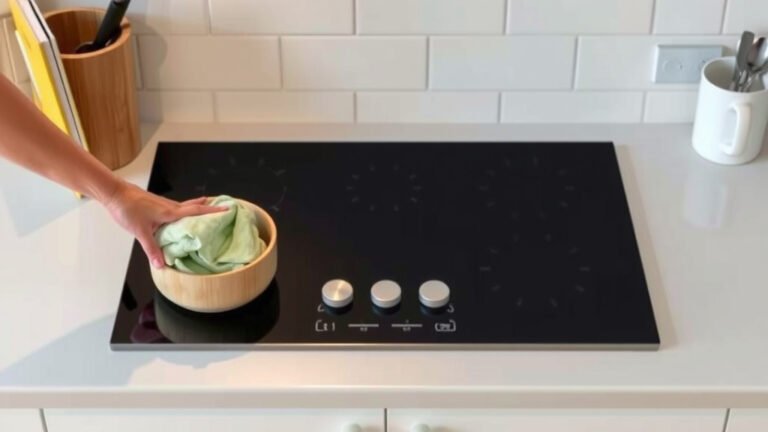
Induction surfaces can get quite hot, especially the pan itself. Be aware of where your hands and arms are. Clean up spills promptly with a damp cloth once the surface has cooled slightly. This prevents burnt-on messes and keeps your cooktop looking great.
A Quick Induction Cooking Checklist:
- Confirm your cookware is magnetic.
- Place cookware on the marked zone.
- Select your desired heat setting.
- Adjust heat as needed during cooking.
- Clean spills promptly.
Following these steps will help you get comfortable and confident with your new induction cooker in no time. It’s a fantastic way to cook!
“`Conclusion
You’ve now got a solid understanding of how to use your induction cooker. Remember, the keys to success are ensuring you have magnetic cookware, placing it correctly on the marked zones, and mastering the simple controls. Induction offers a faster, safer, and more energy-efficient way to cook. You’ll appreciate the precise heat adjustments for perfect results. So, grab your magnetic pans, get cooking, and enjoy the benefits of this modern kitchen technology!
Frequently Asked Questions
Will my existing pots and pans work on an induction cooktop?
It’s easy to check! Grab a magnet from your fridge. If it sticks firmly to the bottom of your pot or pan, it will likely work. If the magnet slides off, you’ll need to find new induction-compatible cookware.
How do I clean my induction cooktop?
You should clean spills promptly once the surface has cooled slightly. Use a damp cloth and a mild dish soap. Avoid abrasive cleaners, as they can scratch the glass surface. Always ensure the cooktop is off and cool before cleaning.
Can I use aluminum foil on an induction cooktop?
No, you should not place aluminum foil directly on the induction cooking surface. It can block the magnetic field needed to heat your cookware and may even melt, causing damage or a mess.
What does the “boost” function do on my induction cooker?
The “boost” function, often indicated by a “P” or “B,” is designed for rapid heating. It temporarily allows the burner to operate at a higher power level than its maximum setting, perfect for quickly boiling water.
Why does my induction cooktop make a humming noise?
A slight humming or buzzing sound is normal with induction cooking. It’s caused by the magnetic field interacting with the cookware. The sound usually stops or lessens when you remove the pot or turn off the heat.