Slow Cooker Recipe Conversion Made Easy
Yes, you absolutely can convert your favorite stovetop and oven recipes for your slow cooker! It’s surprisingly simple once you understand a few key adjustments. You’ll be enjoying delicious, hands-off meals in no time. Think less active cooking and more relaxing!
Adapting recipes means paying attention to liquid levels and cooking times. Some ingredients might need a little tweak or addition to get that perfect slow-cooked flavor. We found that understanding these simple steps makes all the difference. Your slow cooker can become your new best friend in the kitchen.
- Adjust liquid amounts for longer cooking.
- Consider ingredient placement in the cooker.
- Understand cooking time differences.
- Taste and adjust seasonings near the end.
- Don’t be afraid to experiment!
Ready to transform your go-to dishes? Let’s walk through exactly how to convert those recipes for your slow cooker, step by step.
Transforming Your Recipes for the Slow Cooker
You’re probably wondering if your cherished family recipes can make the leap from the stovetop or oven to the magical world of your slow cooker. The answer is a resounding yes! With a few smart adjustments, you can capture those comforting flavors with much less effort. Your slow cooker can become your culinary sidekick, working its magic while you get on with your day.
Think of it as giving your recipe a gentle, slow-motion makeover. It’s not about reinventing the wheel, but rather understanding how the slow cooker cooks differently. We’ve found that focusing on liquid, heat, and timing is key to success. Let’s dive into the simple steps to make this happen for your favorite dishes.
Liquid Adjustments: The Most Important Step
This is where most recipe conversions need attention. Slow cookers have lids that lock in moisture, creating a steamy environment. This means you’ll have less evaporation compared to stovetop or oven cooking. Because of this, you’ll need to reduce the liquid in your original recipe.
How much less? It depends on the recipe, but a good starting point is to reduce liquids by about one-third to one-half. For example, if a recipe calls for 4 cups of broth, try using 2 to 3 cups.
Sauces and Soups: Special Considerations
For recipes that rely on brothy liquids, like soups or stews, be particularly careful. You want a rich flavor, not a watery mess. We found that starting with less liquid and adding more later if needed is a safer bet.
Thickening sauces is also easier in a slow cooker. If your original recipe relies on simmering to thicken, you might need a different approach. Cornstarch or flour slurries can be added towards the end of cooking to achieve the desired consistency. A slurry is simply a thickening agent mixed with a small amount of cold liquid before being stirred into the main dish. This prevents lumps from forming.
Understanding Cooking Times and Temperatures
Slow cookers typically operate at lower temperatures than your oven or stovetop. They cook food gently and evenly over a longer period. Most slow cookers have two main settings: LOW and HIGH.
A general rule of thumb is that cooking on HIGH takes about half the time as cooking on LOW. For instance, a recipe that takes 8 hours on LOW might take 3-4 hours on HIGH. However, this is not an exact science. Cooking times will vary based on your specific slow cooker model and the ingredients you’re using.
Converting Oven Recipes
When converting an oven recipe, think about how the heat circulates. An oven cooks with dry heat, while a slow cooker uses moist heat. This means you might need to brown meats before adding them to the slow cooker. This step develops flavor and color that the slow cooker alone can’t achieve.
For dishes like casseroles, you might find you need to adjust the baking time significantly. Many experts suggest that a dish baked for 30-45 minutes in the oven might take 2-3 hours on HIGH or 4-6 hours on LOW in a slow cooker. Always check for doneness rather than relying solely on the clock.
Converting Stovetop Recipes
Stovetop cooking is often faster and involves more direct heat. When adapting these recipes, focus on the liquid reduction we discussed earlier.
Many stovetop recipes are designed to thicken as they cook down. In a slow cooker, this evaporation doesn’t happen. So, you’ll likely want to add a thickener, like our slurry method, near the end of the cooking time. Ingredients that can become mushy when cooked for too long, like delicate vegetables, may need to be added in the last hour or so of cooking.
Ingredient Placement Matters
Where you put your ingredients in the slow cooker can make a difference. Foods that need more time to cook, like tougher cuts of meat and root vegetables, should go on the bottom.
Moisture and heat tend to concentrate at the bottom of the cooker. This is where you want your denser items. Lighter ingredients or those that cook quickly, like herbs or tender vegetables, can be placed on top.
The Role of Herbs and Spices
Because the slow cooker cooks for so long, some delicate herbs can lose their flavor. We found that it’s often best to add fresh herbs, like parsley or cilantro, in the last 30 minutes of cooking. Dried herbs, on the other hand, can handle the long cooking time and can be added at the beginning.
Spices generally hold up well to slow cooking. However, tasting and adjusting seasonings towards the end of the cooking cycle is always a good idea. You might find you need a little extra salt, pepper, or even a pinch of heat to bring out the best flavors.
A Quick Checklist for Converting Recipes
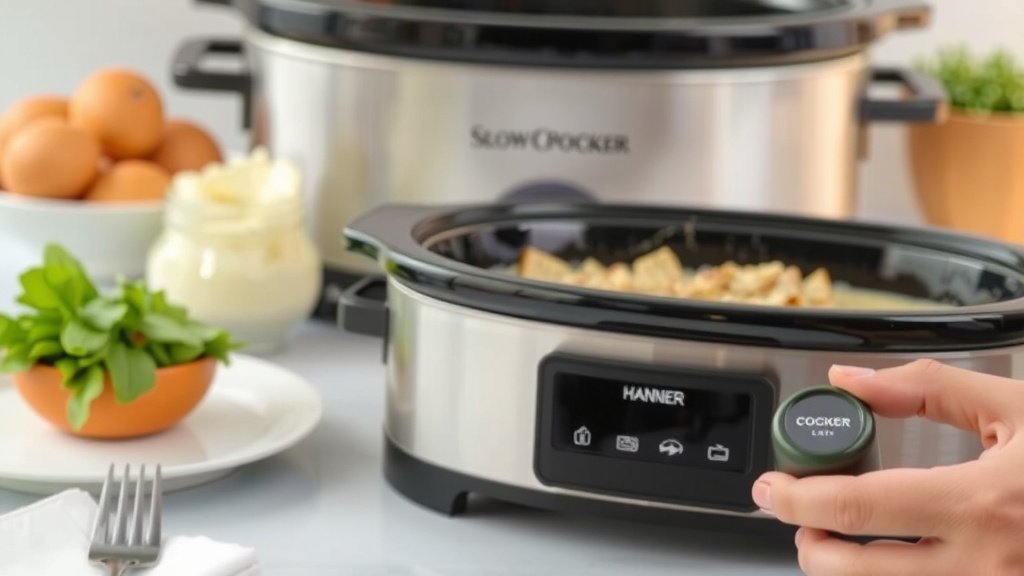
Ready to put these tips into practice? Here’s a quick rundown to help you convert your next recipe:
- Reduce Liquids: Cut liquid by 1/3 to 1/2.
- Brown Meats: Sear meats for better flavor before adding.
- Consider Thickening: Prepare a slurry for sauces if needed.
- Adjust Veggies: Add delicate vegetables later in cooking.
- Add Fresh Herbs Last: Preserve their bright flavor.
- Taste and Adjust: Season carefully near the end.
Tips for Success with Your Slow Cooker Conversions
Don’t be afraid to experiment! Your slow cooker is incredibly forgiving. If a recipe seems a bit too liquidy, you can always thicken it. If it needs more flavor, you can add more spices.
We recommend keeping a small notebook or digital file of your successful conversions. Jot down the original recipe, the changes you made, and the results. This way, you’ll build up your own personal collection of go-to slow cooker recipes.
| Conventional Time | Slow Cooker (LOW) | Slow Cooker (HIGH) |
|---|---|---|
| 15-30 minutes | 1.5-2.5 hours | less than 1 hour |
| 30-45 minutes | 2-3 hours | 1-1.5 hours |
| 1-2 hours | 4-6 hours | 2-3 hours |
| 2-4 hours | 6-8 hours | 3-4 hours |
Remember that these are just general guidelines. Many factors can influence cooking time, including the size of your slow cooker, how full it is, and the starting temperature of your ingredients. For meats, always ensure they reach a safe internal temperature, which you can check with a meat thermometer (FDA guidelines recommend checking internal temperature for doneness, especially with poultry and pork).
Conclusion
You’ve learned the essential steps to transform your favorite recipes for your slow cooker. By adjusting liquids, understanding cooking times, and paying attention to ingredient placement and seasonings, you can achieve delicious results with minimal effort. Remember that less liquid is usually more in a slow cooker. Browning meats first adds fantastic depth of flavor. Don’t be afraid to trust your palate and adjust seasonings at the end. Your slow cooker is a fantastic tool for busy lives, and now you have the knowledge to make it work for you. Start converting one recipe this week and enjoy the hands-off cooking magic!
Frequently Asked Questions
Can I put frozen meat directly into the slow cooker?
It’s generally not recommended to cook frozen meat in a slow cooker. Research suggests that frozen meat may not heat up quickly enough, which can put it in the “danger zone” for bacterial growth. It’s best to thaw meat completely in the refrigerator before adding it to your slow cooker.
What if my slow cooker recipe turns out too watery?
Don’t worry, this is a common issue! You can easily thicken a watery slow cooker dish. Make a slurry by mixing a tablespoon or two of cornstarch or flour with a little cold water, then stir it into the cooker during the last 30-60 minutes of cooking. You can also remove the lid for the last hour to allow some liquid to evaporate.
How do I know when my slow cooker meal is done?
Cooking times are a guideline, not a strict rule. The best way to know if your meal is ready is to check for doneness. For meats, a meat thermometer is your best friend to ensure they reach a safe internal temperature. For vegetables, check if they are tender when pierced with a fork. Taste and adjust seasonings as needed.
Can I use the same spices in a slow cooker as on the stovetop?
Yes, you can use the same spices. Dried spices actually hold up very well to the long, slow cooking process and their flavors can deepen over time. However, delicate fresh herbs, like cilantro or basil, will lose their vibrancy if cooked for too long. We found it’s best to add these fresh herbs during the last 15-30 minutes of cooking.
My original recipe requires a lot of stirring. How does this translate to a slow cooker?
Recipes that require frequent stirring on the stovetop, like risottos or gravies, are trickier to convert. Slow cookers don’t offer the same constant agitation. For dishes needing thickening, a slurry added near the end is essential. For things like risotto, you might be better off finishing it on the stovetop after slow cooking the base ingredients to achieve the right creamy texture.