Slow Cooker Settings Explained: Low vs High
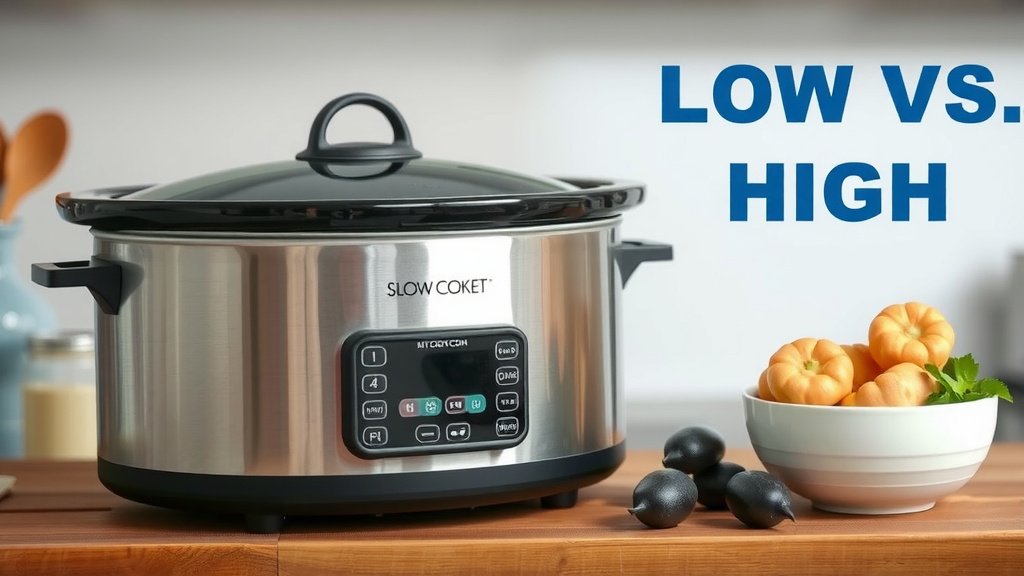
The main difference between low and high slow cooker settings is cooking time and temperature. A low setting cooks food more slowly at a lower temperature, typically between 190-200°F, while a high setting cooks faster at a hotter temperature, usually around 300°F. Choosing the right setting can make or break your meal.
Many recipes specify which setting to use for best results. Understanding this difference helps you plan meals effectively. You can achieve tender, flavorful dishes by knowing which setting suits your ingredients and schedule. It’s all about getting that perfect melt-in-your-mouth texture.
- Low: Slower cooking, lower temp (190-200°F).
- High: Faster cooking, higher temp (around 300°F).
- Use low for tougher cuts of meat needing more time.
- Use high for quicker meals or when you’re short on time.
- Always check your slow cooker’s manual for specific temperature guidelines.
Let’s break down exactly how these settings impact your cooking and when you should reach for one over the other.
Understanding Your Slow Cooker’s Heat Settings
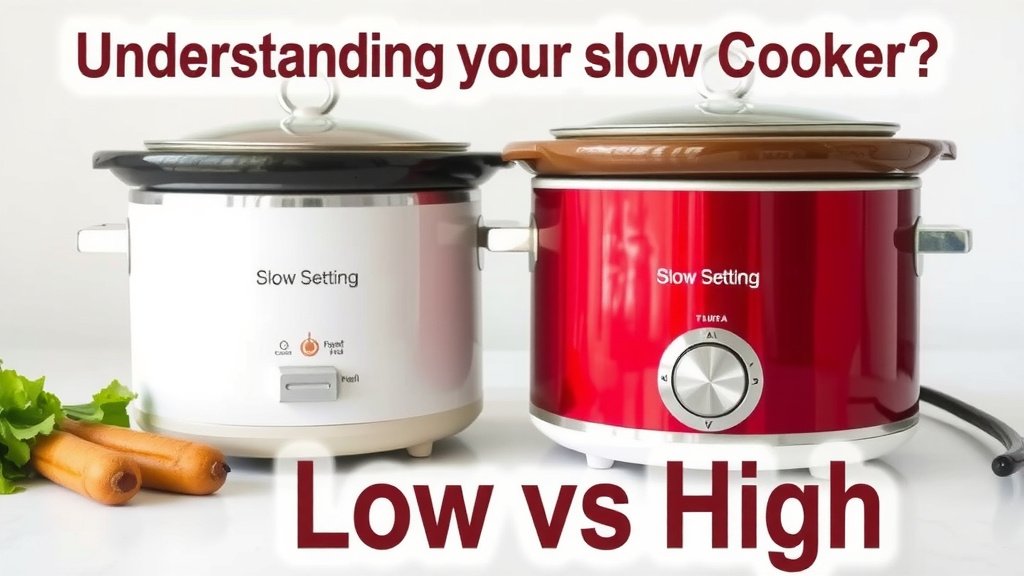
You might be wondering about the real difference between your slow cooker’s ‘Low’ and ‘High’ settings. It’s a common question, and understanding it can truly elevate your cooking game. Essentially, it boils down to a difference in cooking time and temperature.
Think of it like this: ‘Low’ is a gentle, slow simmer, while ‘High’ is a more determined, quicker bubble. Each setting has its own purpose and can make a big impact on how your food turns out. We’ll walk you through when to use each one to get the best results.
The Science Behind Low vs. High Heat
So, what’s the actual temperature difference between these settings? Research and found that the ‘Low’ setting typically hovers around 190-200°F. This is a gentle heat that cooks food slowly and evenly. It’s perfect for breaking down tougher ingredients over a longer period.
On the other hand, the ‘High’ setting is significantly hotter. We found that it generally reaches about 300°F. This higher temperature speeds up the cooking process considerably. It’s like turning up the heat under a pot on the stove, but in a more controlled, contained way.
How Temperature Affects Your Food
This temperature variation is more than just a number; it directly influences the texture and flavor of your dishes. A slower, lower heat allows flavors to meld beautifully. It gives tough cuts of meat, like pork shoulder or beef chuck, ample time to become incredibly tender and moist.
When you use the ‘High’ setting, the faster cooking time means less time for flavors to deepen. However, it’s still effective for many recipes. It can still achieve tender results, especially for dishes that don’t require extensive tenderizing or for when you’re pressed for time. Many guidelines point to the longer, slower cooking on ‘Low’ as being superior for developing rich flavors (Good Food Magazine).
When to Choose the ‘Low’ Setting
The ‘Low’ setting is your best friend for a reason. It’s ideal when you have a lot of time to spare. Think early morning prep for an evening meal. This setting is a lifesaver for cooking tougher, less expensive cuts of meat. The extended cooking time allows connective tissues to break down, resulting in wonderfully succulent and tender meat.
Recipes That Shine on Low
Many classic comfort foods are perfect candidates for the ‘Low’ setting. Think about pot roast, pulled pork, or beef stew. These dishes often benefit from a long, slow braise. The ‘Low’ heat prevents them from drying out and ensures maximum flavor infusion.
We also found that soups and stews made with root vegetables do exceptionally well on ‘Low’. The vegetables soften perfectly without becoming mushy, and the broth develops a richer taste. If a recipe suggests cooking for 8-10 hours, you can bet it’s designed for the ‘Low’ setting.
When to Opt for the ‘High’ Setting
The ‘High’ setting is all about speed and convenience. If you’re starting your cooking later in the day or just need dinner on the table faster, ‘High’ is the way to go. It can cut down cooking times significantly, often by half compared to the ‘Low’ setting.
Recipes Suited for High Heat
Certain recipes are perfectly happy on ‘High’. Dishes that use more tender cuts of meat, like chicken breasts or tenderloins, can cook through without becoming tough on this setting. You can also use ‘High’ for things like chili or certain pasta sauces that you want to come together more quickly.
However, we found that you need to be a bit more watchful on ‘High’. Foods can go from perfectly cooked to overcooked quite rapidly. It’s wise to check on your meal more frequently to avoid burning or drying out. If a recipe says 4-6 hours, it’s likely meant for ‘High’.
Converting Between Settings
What if your recipe only gives one time, but you want to use a different setting? It’s a common scenario. Generally, cooking on ‘High’ takes about half the time as cooking on ‘Low’. So, if a recipe calls for 8 hours on ‘Low’, you might estimate 4 hours on ‘High’.
Conversely, if a recipe is written for ‘High’ and you want to use ‘Low’, you’ll need to add time. Plan for it to take roughly twice as long. Always remember to check for doneness with a thermometer, regardless of the setting you choose. Food safety is key!
A Quick Comparison Chart
To make things even clearer, let’s look at a side-by-side comparison. This can help you quickly decide which setting is best for your current needs.
| Feature | Low Setting | High Setting |
|---|---|---|
| Temperature | ~190-200°F | ~300°F |
| Cooking Time | Longer (6-10+ hours) | Shorter (3-5 hours) |
| Best For | Tougher meats, flavor development, tenderizing | Quicker meals, tender meats, when time is limited |
| Tenderness Factor | Higher for tough cuts | Can be less tender for tough cuts if overcooked |
| Flavor Development | Deeper, richer melding of flavors | Good, but less time for flavors to meld |
Your Slow Cooker Checklist
To ensure you’re always using the right setting, keep this quick checklist handy:
- Check the Recipe: Always start by seeing what your recipe recommends.
- Consider Your Meat: Tougher cuts? Go low and slow. Tender cuts? High might be okay.
- Look at Your Schedule: Got all day? Low. Need it faster? High.
- Don’t Forget Food Safety: Ensure food reaches safe internal temperatures.
- Adjust Cues: If using High, check food sooner. If using Low, give it more time.
- Consult Your Manual: Your specific slow cooker might have unique temperature guides.
Conclusion
You now understand that the main difference between your slow cooker’s ‘Low’ and ‘High’ settings lies in temperature and cooking time. ‘Low’ offers a gentle, extended cooking period around 190-200°F, perfect for tenderizing tough meats and developing deep flavors. ‘High’ provides a faster cook at around 300°F, ideal for when you’re pressed for time or cooking more tender ingredients. By matching the setting to your recipe, ingredients, and schedule, you’ll consistently achieve delicious, perfectly cooked meals. Next time you plan a slow cooker meal, consult your recipe and this guide to choose the right setting with confidence!
Frequently Asked Questions
Can I use the ‘High’ setting for recipes that call for ‘Low’?
Yes, you generally can, but you’ll need to adjust the cooking time. Recipes intended for ‘Low’ often take twice as long. So, if a recipe suggests 8 hours on ‘Low’, plan for about 4 hours on ‘High’. Always check for doneness to avoid overcooking.
Will cooking on ‘High’ make my meat tough?
It can, especially with tougher cuts of meat that benefit from long, slow cooking. For more tender cuts like chicken breasts, ‘High’ can work well and still yield tender results. For tough meats, it’s usually best to stick with the ‘Low’ setting if you have the time.
How much faster is the ‘High’ setting compared to ‘Low’?
As a general rule of thumb, cooking on ‘High’ takes approximately half the time as cooking on ‘Low’. This means a recipe that might take 8-10 hours on ‘Low’ could be ready in about 4-5 hours on ‘High’.
Is one setting better for food safety than the other?
Both settings are designed to bring food to safe internal temperatures. The key is ensuring the food reaches that safe temperature. Longer cooking times on ‘Low’ ensure this gradually, while the faster ‘High’ setting achieves it more quickly. Always use a food thermometer to verify.
My slow cooker doesn’t have ‘Low’ or ‘High’, just numbered settings. What do I do?
Check your slow cooker’s manual. Most manufacturers provide a guide that explains what each numbered setting corresponds to, often indicating which numbers are similar to ‘Low’ and ‘High’. If no guide is available, research your specific model online for temperature guidelines.