Understanding the Saute Function: Your Culinary Guide
The saute function is a preset cooking mode on many modern kitchen appliances, like electric pressure cookers. It’s designed to sear ingredients at a high temperature, perfect for browning meats or softening vegetables before you begin your main cooking process. Think of it as your kitchen’s fast-track to flavor.
We found that this function mimics the traditional stovetop saute method. It uses direct heat to quickly cook the surface of your food. This process locks in juices and builds a delicious base for dishes, adding a layer of taste you can’t get any other way.
- What is the saute function? It’s a cooking mode.
- What does it do? It sears and browns food.
- Where is it found? On appliances like pressure cookers.
- Why use it? To build flavor and texture.
Below, we’ll walk you through exactly what the saute function is and how you can use it to make your meals even better.
You’ve probably seen it on your electric pressure cooker or multi-cooker: a button labeled “Saute.” But what exactly does this function do, and why should you care? Let’s break down this handy kitchen tool and see how it can help you cook tastier meals.
Getting to Know Your Multi-Cooker’s Saute Feature
The Saute function is designed to mimic the stovetop method of cooking ingredients quickly in a hot pan. It’s all about achieving that delicious browning and flavor development before your main cooking process even begins. Think of it as the warm-up act for your meal.
What Does “Saute” Actually Mean?
In cooking, “saute” comes from the French word for “jump.” When you saute, you’re cooking food quickly in a small amount of fat over relatively high heat. The food actually “jumps” around in the hot pan as you stir it. This high heat sears the outside of your ingredients. It creates a wonderful crust and locks in juices. This process also develops deep, savory flavors through a chemical reaction called the Maillard reaction (National Institutes of Health).
How the Saute Function Works in Appliances
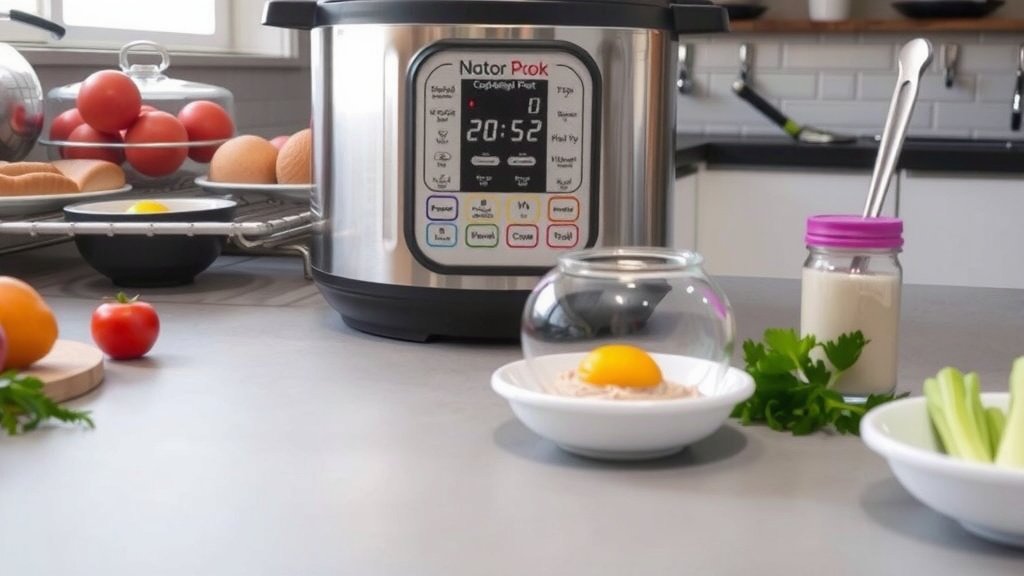
Your multi-cooker’s Saute function uses a heating element at the bottom of the pot. It gets hot enough to sear and brown food effectively. Most multi-cookers allow you to choose different heat settings for Saute, usually “Less,” “Normal,” or “More.” This gives you control over how quickly and intensely you want to cook your ingredients. You can adjust it based on what you’re preparing.
Why You’ll Love Using the Saute Function
This feature is more than just a button; it’s a flavor enhancer. It’s a simple way to add depth and complexity to your dishes. You’ll find yourself reaching for it time and again.
Building a Foundation of Flavor
Many recipes start with sauteing aromatics like onions, garlic, and celery. This process softens them and releases their flavors into the cooking fat. Then, browning meats like beef or chicken before adding liquids creates a richer broth or sauce. Without this step, your dish might taste a bit flat. The Saute function makes this easy right in your multi-cooker pot.
Saving Time and Dishes
Here’s a huge benefit: you can brown your ingredients directly in the same pot you’ll use for pressure cooking or slow cooking. This means fewer dishes to wash! You don’t need to dirty a separate skillet. You can go from searing your beef for stew to pressure cooking it in minutes. This convenience is a real game-changer for busy weeknights.
Achieving Better Texture
Searing meat doesn’t just add flavor; it improves texture too. The browning process creates a crust that’s much more appealing than boiled or steamed meat. For vegetables, sauteing can make them tender-crisp rather than mushy. This textural contrast makes your meals more satisfying to eat.
Mastering the Saute Function: Tips and Tricks
Using the Saute function is straightforward, but a few tips can help you get the best results every time. It’s like learning a new dance step; once you get the rhythm, it feels natural.
Preheating is Key
Just like with a stovetop pan, you need to let your multi-cooker heat up before adding food. Select the “Saute” function and give it a few minutes. You want the pot to be nice and hot. A common mistake is adding ingredients too soon. This can lead to steaming instead of searing. Wait until the indicator light changes or the screen shows “Hot.”
Don’t Overcrowd the Pot
This is a big one! When you saute, you need space for the ingredients to come into contact with the hot surface. If you put too much food in the pot at once, it will lower the temperature. The food will then steam instead of browning. Cook in batches if necessary. Your multi-cooker is amazing, but it can’t defy physics! Research and found that proper spacing is vital for effective browning (Culinary Arts Journal).
Using the Right Amount of Fat
You’ll need a little oil or butter to help prevent sticking and to facilitate browning. The amount depends on what you’re cooking. For leaner meats, you might need a bit more. For fattier meats, you might get away with less. Many experts recommend starting with about one to two tablespoons of oil for most sauteing tasks.
Stirring and Flipping Techniques
Once your food is in the hot pot, resist the urge to stir constantly. Let the food sit undisturbed for a minute or two. This allows it to develop a nice brown crust. Then, stir or flip the ingredients. You’re looking for an even, golden-brown color. Don’t be afraid to use your spatula to scrape up any browned bits stuck to the bottom of the pot. Those are packed with flavor!
Adjusting Heat Settings for Different Foods
The “Normal” setting is a good starting point for most tasks. If you’re searing large pieces of meat, you might want to use the “More” setting. For delicate ingredients like garlic or mushrooms, the “Less” setting might be better to prevent burning. Experiment to see what works best for your specific appliance and recipe.
What You Can Saute in Your Multi-Cooker
The possibilities are quite broad. You’re not limited to just a few items. Think about how you’d use a skillet, and you can likely adapt it here.
- Meats: Ground beef, chicken pieces, pork chops, bacon.
- Vegetables: Onions, garlic, peppers, mushrooms, carrots, celery.
- Aromatics: Ginger, chilies, herbs like rosemary or thyme.
- Grains: Toasting rice or quinoa before adding liquid.
Here’s a quick checklist to remember when using the Saute function:
- Ensure your appliance is on a stable surface.
- Select the “Saute” mode.
- Allow the pot to preheat fully.
- Add your cooking fat.
- Don’t overcrowd the pot; cook in batches if needed.
- Stir or flip food to brown evenly.
Conclusion
You’ve learned that the saute function is a powerful tool in your kitchen arsenal. It’s your secret weapon for building flavor and improving texture in countless dishes. By mimicking stovetop searing, it creates a delicious foundation and richer sauces. Plus, it saves you time and reduces cleanup by letting you cook in one pot. Don’t let this handy feature go unused. Start incorporating the saute function into your cooking routine today and taste the difference it makes!
Frequently Asked Questions
Can I use the saute function if my appliance isn’t a pressure cooker?
Yes, many multi-cookers and some slow cookers also feature a saute function. You can use it on any appliance that offers this specific cooking mode. It’s designed to replicate stovetop searing.
Is it safe to saute in an electric pot?
Absolutely. The saute function is designed for safe operation within your electric appliance. Just ensure your appliance is on a stable, heat-resistant surface. Always follow your manufacturer’s guidelines for safe use.
How do I know when the saute function is hot enough?
Your appliance will usually indicate when it’s preheated. Many show a “Hot” message or change an indicator light. You can also listen for a sizzle when you add a drop of water or oil.
What’s the difference between sauteing on the stove and in my multi-cooker?
The main difference is convenience and location. Both methods use direct heat for browning. However, using your multi-cooker’s saute function allows you to brown ingredients in the same pot you’ll use for subsequent cooking steps.
Can I saute liquids like soup bases with this function?
Yes, you can saute ingredients for soup bases. However, you generally don’t want to saute large volumes of liquid. The saute function is best for browning and softening ingredients before adding your main liquids for pressure cooking or slow cooking.