Slow Cooker Temperature Guide: How Hot Does It Get
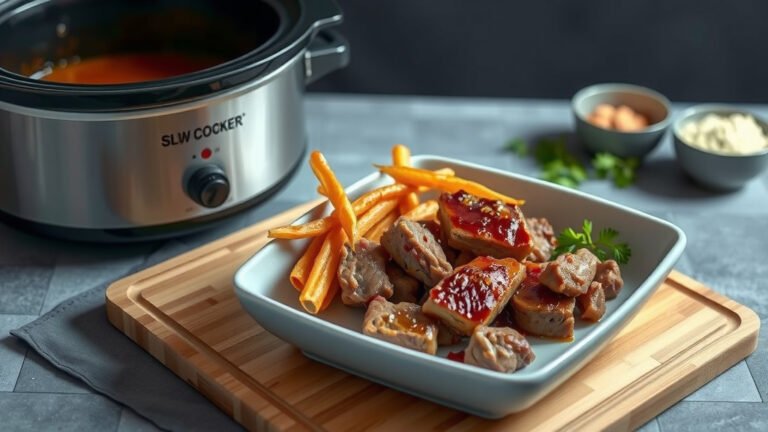
Wondering how hot your slow cooker gets? Your slow cooker typically heats up to temperatures between 200°F and 300°F (93°C to 149°C). These temperatures are hot enough to safely cook food. They also effectively break down tough meat fibers. This is why slow cooking results in tender meals.
This consistent heat is key to slow cooker cooking. The low, slow cooking process is perfect for making meals tender and flavorful. Many recipes depend on these specific temperature ranges for success. You can achieve amazing results with just a little patience. Understanding these cooking temperatures helps you choose the right settings.
- Slow cookers reach temps between 200°F and 300°F.
- This heat range ensures food is cooked safely.
- It also helps to tenderize tougher cuts of meat.
- The low, slow process creates rich flavors.
- Knowing your cooker’s heat is important for recipes.
Let’s break down the different heat settings and what they mean for your cooking.
Understanding Your Slow Cooker’s Heat Settings
You’ve got your slow cooker, and you’re ready to whip up something amazing. But you might be wondering, “Just how hot does this thing get?” It’s a great question! Knowing the temperatures your slow cooker reaches helps you cook food **safely and effectively**. It also means you can follow recipes with more confidence. We’ll break down the typical heat ranges for you.
What Temperature Does a Slow Cooker Reach?
Your slow cooker is designed to heat up gradually. It maintains a consistent, lower temperature over a longer period. This is the magic behind tender meats and flavorful stews. Generally, slow cookers operate between 200°F and 300°F (93°C and 149°C).
This temperature range is far above the “danger zone” for food. The danger zone is between 40°F and 140°F (4°C and 60°C). Food left in this range can quickly grow harmful bacteria. Your slow cooker keeps food well above this, ensuring it’s **safe to eat**.
The Difference Between ‘Low’ and ‘High’ Settings
Most slow cookers have at least two main settings: ‘Low’ and ‘High’. While both settings eventually reach similar peak temperatures, they get there at different speeds. Think of it like driving a car. ‘Low’ is like a scenic route, and ‘High’ is like the highway.
The ‘Low’ Setting Explained
When you set your slow cooker to ‘Low’, it typically takes about 6 to 10 hours to reach its maximum temperature. This setting is perfect for recipes that require a long cooking time. It’s ideal for tougher cuts of meat that need a lot of time to become tender. You might use ‘Low’ for pulled pork, pot roast, or a hearty beef stew.
The ‘High’ Setting Explained
The ‘High’ setting will bring your slow cooker up to temperature much faster. It usually takes around 3 to 4 hours to reach its peak. While it gets there quicker, the final cooking temperature is often just a bit higher than ‘Low’, or it stays at that higher temperature for a shorter duration. This is great for when you’re short on time but still want that slow-cooked flavor. You can use ‘High’ for chicken breasts, chili, or a quick soup.
Warming Functionality
Some newer models also have a ‘Warm’ setting. This isn’t meant for cooking food. Instead, it keeps already cooked food at a safe serving temperature. It usually operates at a lower temperature than ‘Low’ or ‘High’, often around 170°F (77°C). This prevents overcooking while keeping your meal ready to eat.
How Temperature Affects Your Cooking
The temperature your slow cooker reaches directly impacts the outcome of your meal. Understanding this helps you achieve the results you want. It’s not just about heat; it’s about **controlled, consistent heat**.
Tenderizing Tough Meats
One of the biggest benefits of slow cooking is its ability to tenderize meats. Tougher cuts of meat have more connective tissue. The low, slow heat gradually breaks down this tissue into gelatin. This process makes the meat incredibly soft and moist. Research shows that sustained low temperatures are effective for this (USDA).
Developing Flavor
As food cooks slowly, flavors have more time to meld and deepen. Ingredients like onions, garlic, and herbs release their compounds gradually. This creates a richer, more complex taste than you might get from faster cooking methods. The moisture retained in the pot also helps distribute these flavors evenly.
Food Safety Considerations
It’s important that your slow cooker reaches a high enough temperature to kill harmful bacteria. Food safety guidelines state that foods should be cooked to specific internal temperatures. For example, poultry needs to reach 165°F (74°C), and ground meats should reach 160°F (71°C) (CDC). Your slow cooker’s ‘Low’ and ‘High’ settings are designed to achieve these safe internal temperatures over time.
We found that many slow cooker recipes are developed with food safety in mind. They rely on the cooker reaching and maintaining temperatures that are safe for consumption. Always ensure your cooker is functioning correctly. If you’re unsure, a simple cooking thermometer can give you peace of mind.
Different Slow Cooker Models and Their Temperatures
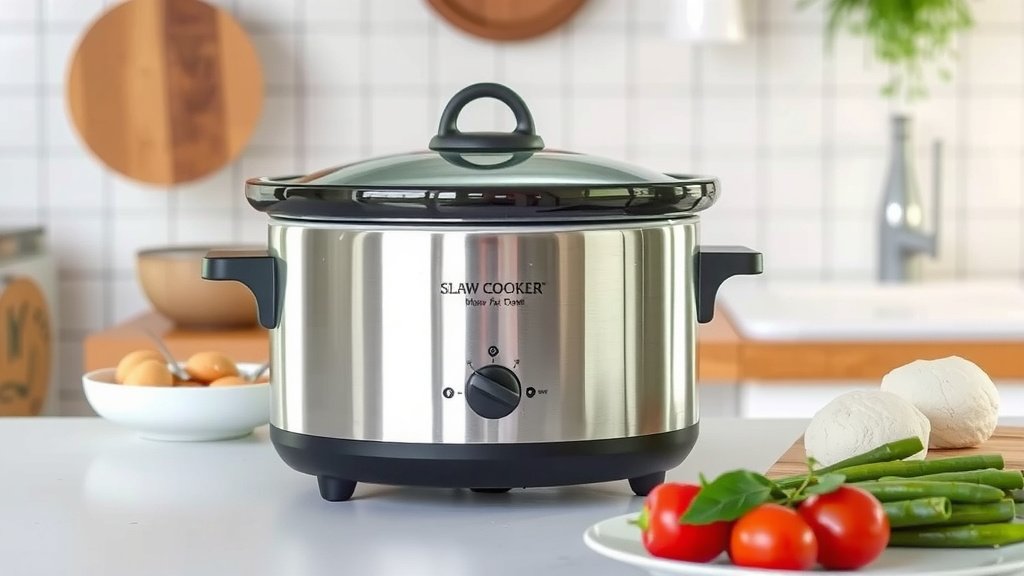
While the general temperature ranges are similar, there can be slight variations between different slow cooker brands and models. Some might run a little hotter or cooler than others. This is why getting to know your specific appliance is helpful.
Manufacturer Recommendations
Many manufacturers provide guidance on their cooker’s settings. They might offer charts or explanations in their user manuals. Checking your manual is a great first step to understanding your appliance’s quirks. You might find that ‘Low’ on your model is equivalent to ‘High’ on another.
Using a Thermometer for Accuracy
If you want to be absolutely sure about your slow cooker’s temperature, you can use a food thermometer or an oven-safe thermometer. Place the thermometer inside the cooker (without touching the sides). You can then check the temperature on the ‘Low’ and ‘High’ settings after a couple of hours. This gives you real-world data for your specific cooker.
Adapting Recipes
Sometimes, recipes are written for a specific type of slow cooker. If your cooker runs hotter, you might need to reduce the cooking time slightly. Conversely, if it runs cooler, you might need to add a little extra time. This is where a little trial and error comes in. Don’t be afraid to experiment!
What Does This Mean for Your Cooking?
So, how hot does your slow cooker get? It gets hot enough to **cook your food safely and deliciously**. It’s a controlled heat that works wonders on meats and flavors.
Here’s a quick checklist to help you remember the key points:
- Understand that ‘Low’ and ‘High’ settings reach similar peak temperatures but at different speeds.
- Know that your slow cooker cooks food above the 40°F-140°F danger zone for safety.
- Expect cooking temperatures to range from 200°F to 300°F.
- Use a thermometer if you want precise temperature readings for your model.
- Be prepared to adjust cooking times based on your specific slow cooker.
- Trust the process – slow cooking is forgiving and flavorful!
Conclusion
You now have a clear understanding of how hot your slow cooker gets and why it matters for your cooking. Remember, the typical range of 200°F to 300°F (93°C to 149°C) is perfect for safely tenderizing meats and deepening flavors. Whether you use ‘Low’ for a long, slow meld or ‘High’ for a quicker fix, your slow cooker is a reliable kitchen workhorse. Don’t be afraid to use a thermometer to check your specific model’s performance. The next time you’re planning a meal, trust your slow cooker to deliver delicious results with minimal fuss!
Frequently Asked Questions
Is my slow cooker hot enough to kill bacteria?
Yes, your slow cooker is designed to reach temperatures well above the food safety danger zone (40°F-140°F). Both the ‘Low’ and ‘High’ settings will eventually cook food to internal temperatures that make it safe to eat, as recommended by health guidelines.
What’s the difference between ‘Low’ and ‘High’ in terms of actual temperature?
While both settings aim for a similar peak temperature range (200°F-300°F), ‘High’ gets there faster, typically in 3-4 hours, whereas ‘Low’ takes 6-10 hours. The difference is mainly in the speed of cooking, not a drastically different final temperature.
Can I use a regular oven thermometer in my slow cooker?
You can use an oven-safe thermometer to check your slow cooker’s temperature. Just place it inside the pot, ensuring it doesn’t touch the sides, and check after a couple of hours on your chosen setting to get an idea of its heat output.
My recipe says to cook on ‘Low’ for 8 hours, but my slow cooker cooks fast. What should I do?
If your slow cooker runs hotter, you may need to adjust recipe times. Try reducing the cooking time by an hour or two and check for doneness. You might also consider using the ‘Warm’ setting if your recipe is getting done too quickly.
Will the ‘Warm’ setting cook my food?
No, the ‘Warm’ setting is not for cooking. It’s designed to keep already cooked food at a safe serving temperature, typically around 170°F (77°C), without continuing to cook it or allowing it to cool down into the danger zone.