Air Fryer vs Electric Skillet: Which Should You Buy?
If you want crispy food fast with little oil, an air fryer is your best bet. But if you need one appliance that can sear, simmer, and scramble, an electric skillet wins for versatility. The real difference comes down to how you cook.
We looked at how both appliances work and what they do best. An air fryer uses rapid hot air to crisp up food like a convection oven. An electric skillet is a flat, countertop pan that cooks with direct heat. Your choice depends on whether you crave crunch or need a multi-tasker, and we found that many experts say most homes only need one.
- Air fryers are better for crispy foods like fries, chicken wings, and reheating pizza.
- Electric skillets are better for stovetop cooking like frying eggs, simmering sauces, and searing meat.
- Air fryers cook faster and use less oil, making them a lighter option.
- Electric skillets are more versatile and can handle larger batches of food.
- Your kitchen space and favorite meals should guide your final choice.
Below, we break down the key differences so you can pick the right one for your kitchen. We will walk you through cooking results, ease of use, and cleaning to make the decision simple.
Air Fryer and Electric Skillet: The Main Differences
You have counter space for one appliance. You want crispy fries and a solid sear on your steak. The good news? Both tools can handle these tasks. The catch? They do it in very different ways.
We found that the air fryer wins for speed and crunch. The electric skillet wins for flexibility and batch cooking. Your cooking style should drive the choice.
How an Air Fryer Actually Works
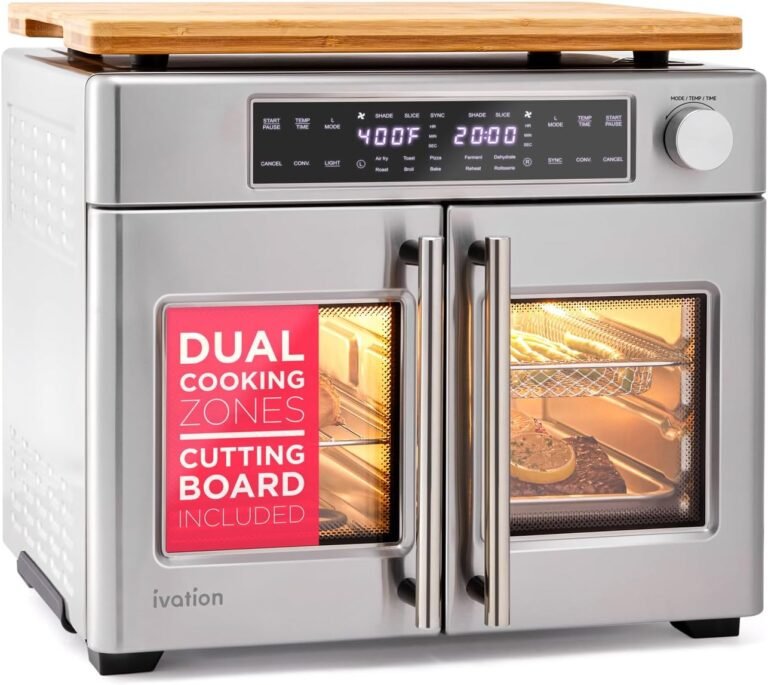
An air fryer is a small convection oven. A powerful fan circulates hot air at high speed around your food. This rapid circulation creates a dry, crispy exterior. It mimics deep frying without the oil bath.
You get that golden crunch using just a teaspoon or two of oil. The result is similar to deep frying but with a fraction of the fat.
How an Electric Skillet Works
Think of an electric skillet as a flat-bottomed pan with its own heating element. It heats from below, directly contacting your food. You control the temperature with a dial, usually from warm to 400 degrees.
It behaves like a stovetop pan. You can sear, sauté, braise, simmer, and even bake in a covered electric skillet.
Which One Delivers Better Cooking Results?
Results depend on the meal. For crispy, crunchy textures, the air fryer dominates. For moist heat cooking and rich browning, the electric skillet takes the lead.
Many experts say that owning both makes sense if you cook a wide variety of meals. Home cooks often reach for the air fryer for one task and the skillet for another.
Air Fryer Wins for Crispy and Crunchy Foods
Frozen french fries. Chicken wings. Breaded fish fillets. These foods turn out remarkably crisp in an air fryer. The high-speed fan pulls moisture away from the surface, leaving a satisfying crunch.
Reheating leftover fried chicken or pizza also shines here. You bring back the crunch without making the food soggy. A microwave simply cannot do that.
The Science Behind the Crunch
Research shows that the Maillard reaction needs high, dry heat. The air fryer delivers exactly that. The fast circulation of hot air browns the surface quickly. This creates flavor and texture that stovetop cooking often misses.
Electric Skillet Wins for Cooking Versatility
You can cook a full breakfast in one electric skillet. Scrambled eggs, crispy bacon, and hash browns all work. You can even pour pancake batter right into the hot surface.
Dinner becomes easy too. Searing chicken thighs, simmering a pasta sauce, and then keeping the whole dish warm for latecomers. This all-in-one capability is why many home cooks call it their workhorse.
Liquid and Moist Cooking Tasks
Air fryers struggle with thin batters and wet sauces. The fan blows liquid droplets around, making a mess. An electric skillet handles those tasks without complaint.
You can also cook stews, chili, and soups in an electric skillet. The lid traps heat and moisture. The temperature dial gives you precise simmer control.
Cooking Speed and Batch Size Comparison
Speed matters on busy weeknights. Air fryers preheat quickly, often in under four minutes. Electric skillets take a bit longer to reach temperature, usually five to seven minutes.
But batch size changes the game. An air fryer basket holds a limited amount. You often cook in batches for a family meal. An electric skillet holds much more food at once.
For a family of four, an electric skillet saves you from standing over the counter doing rounds. For a single person or couple, the air fryer wins on speed.
Health and Nutrition: Which Is Better for You?
Both appliances can support a lower-fat cooking style. The air fryer needs very little oil, often just a spray. The electric skillet can also use minimal oil when cooking.
The key difference is what you cook in each. Fried foods in an air fryer still contain calories. A stir-fry in an electric skillet can be rich with vegetables and lean protein.
Dietary guidelines from the FDA encourage reducing saturated fat and sodium intake. An air fryer helps you cut oil. But the healthiest option is the one you actually use for whole foods.
We found that a 2019 review from the NIH highlighted that air frying produces acrylamide levels lower than deep frying. Acrylamide is a compound associated with cancer risk. That makes air frying a safer choice for starchy foods like potatoes.
Ease of Use and Daily Practicality
Air fryers come with digital presets. Touch a button for fries, chicken, or fish. The basket slides out easily. Most models even have a shake reminder halfway through cooking.
Electric skillets use a simple dial. You set the temperature and start cooking. There is no learning curve. If you can use a pan on the stove, you can master this skill.
Learning Curve
An air fryer takes a bit of practice. You need to learn the right temperature and time for each food. Overcrowding the basket leads to uneven cooking.
Electric skillets behave like any stovetop pan. You already know how to flip eggs and stir sauce. There is very little guesswork involved.
Space and Storage
Air fryers sit boxy on your counter and take up the same footprint as a large toaster oven. Most units are bulky. They are hard to store if you want to tuck them away.
Electric skillets have a larger cooking surface, which can take up more counter space. However, many models have a removable base. You can store the pan and base separately.
Cleaning and Maintenance Time
No one wants to spend hours scrubbing after dinner. The air fryer offers an easier cleaning routine in most cases.
Most air fryer baskets and trays have a non-stick coating. They are dishwasher safe. A quick rinse or a cycle in the dishwasher handles the mess.
Electric skillets vary. Some have a non-stick surface that wipes clean. Others may require gentle hand washing to protect the heating element and cord.
A word of caution. The heating coil on an electric skillet cannot go underwater. You clean the surface while the base stays dry. An air fryer fan and heating element also need occasional wipe-downs.
Cost and Energy Use Breakdown
Budget matters when choosing between these appliances. Air fryers typically range from $60 to $200. Electric skillets cost between $30 and $90.
For initial cost, the electric skillet is easier on your wallet. The trade-off is in energy efficiency.
Air fryers heat a small chamber quickly. They use less electricity than a full-size oven. Many people report energy savings over time with an air fryer.
| Feature | Air Fryer | Electric Skillet |
|---|---|---|
| Upfront Cost | $60 – $200 | $30 – $90 |
| Preheat Speed | 1 to 4 minutes | 5 to 7 minutes |
| Oil Needed | 1-2 teaspoons | As much as recipe requires |
| Batch Size | Small to medium | Large, family-sized |
| Dishwasher Safe Parts | Usually yes | Often no |
| Best For | Crispy fried textures | Stovetop cooking variety |
Which Appliance Fits Different Cooking Styles?
Your weekly meal plan points to the right tool. A busy parent cooking frozen foods for kids will love an air fryer. A home cook who makes breakfast, stews, and sauces will lean toward the skillet.
You Should Choose an Air Fryer If
- You eat a lot of frozen snacks like fries and nuggets.
- You want crispy texture with minimal oil.
- You cook for one or two people most nights.
- You appreciate fast preheating and quick cooking times.
- You are okay cooking in small batches.
You Should Choose an Electric Skillet If
- You cook for a family of four or more.
- You need to brown and simmer in the same pan.
- You want to cook breakfast all at once.
- You prefer simple dial controls over digital presets.
- You make soups, stews, or sauces regularly.
Ignoring the Hype: What the Experts Really Say
Social media makes the air fryer look like a miracle gadget. It is useful, but it is not the only kitchen tool you need. Cooking experts say that an electric skillet serves as a reliable, multi-purpose option.
Consumer testing organizations often rate both appliances highly. They point out that air fryers produce great texture for coated foods. But they also note that electric skillets cook a wider range of dishes effectively.
We found no consensus that says one appliance is universally better. Your diet and cooking habits are the deciding factors. The best pick is the one that matches your daily routine.
Many professional chefs keep a cast-iron skillet on the stove. They also use a convection oven for baking. An electric skillet is a modern, portable take on that trusted tool.
Final Checklist Before You Buy
Take a quick look at this list before you pull out your wallet. It summarizes what matters most for your kitchen.
- Count your weekly meals. Crispy snacks point to an air fryer.
- Measure your counter space. Both appliances take up real estate.
- Think about cleanup effort. Air fryer baskets are easier.
- Consider your family size. Skillets cook in bulk.
- Check your cooking goals. Healthier fried food favors air fryers.
- Decide between presets and manual dials. Know what you prefer.
Conclusion
So, which one belongs on your counter? If you crave crispy fries and quick weeknight dinners, grab an air fryer. If you want one tool that can handle breakfast, sear a steak, and simmer a stew, the electric skillet is your workhorse.
We have walked you through the cooking results, cleanup, and costs. Both appliances earn their spot in a kitchen. The right pick comes down to your family size and your favorite meals.
Here is your next step: Write down five meals you cook most often. If most of them are crispy and frozen, buy the air fryer. If they involve sauces or stovetop techniques, choose the skillet. That simple list will point you to the winner.
Frequently Asked Questions
Can an air fryer replace my electric skillet completely?
No, they are not direct substitutes. An air fryer is a small convection oven perfect for crisping. An electric skillet works like a stovetop pan for searing and simmering.
If you make stir-fries or sauces often, you will miss the skillet. We found most cooks use both for different jobs.
Is it worth owning both an air fryer and an electric skillet?
Yes, if you have the counter space and cook diverse meals. You can use the air fryer for frozen snacks and the skillet for family-sized dinners.
Many home cooks say owning both covers every cooking style. But if you must choose one, think about what you cook most.
What is the best way to reheat crispy food without an air fryer?
An electric skillet works, but you need a little oil. Heat the skillet to medium and add a light spray of oil. Reheat your food in a single layer.
It will not get as crunchy as an air fryer. The results are still much better than a microwave.
Which appliance is safer to leave unattended?
Neither is completely safe to leave alone while cooking. Air fryers get hot inside, and electric skillets have hot surfaces for long periods.
You should always stay nearby. Both appliances have automatic shut-off features, but you should still supervise cooking.
Do air fryers use a lot of electricity compared to electric skillets?
Air fryers are usually more energy-efficient. They heat a small chamber quickly, so they use less electricity than larger appliances.
Electric skillets use a steady amount of power to maintain heat. For most people, the difference in your utility bill is very small.