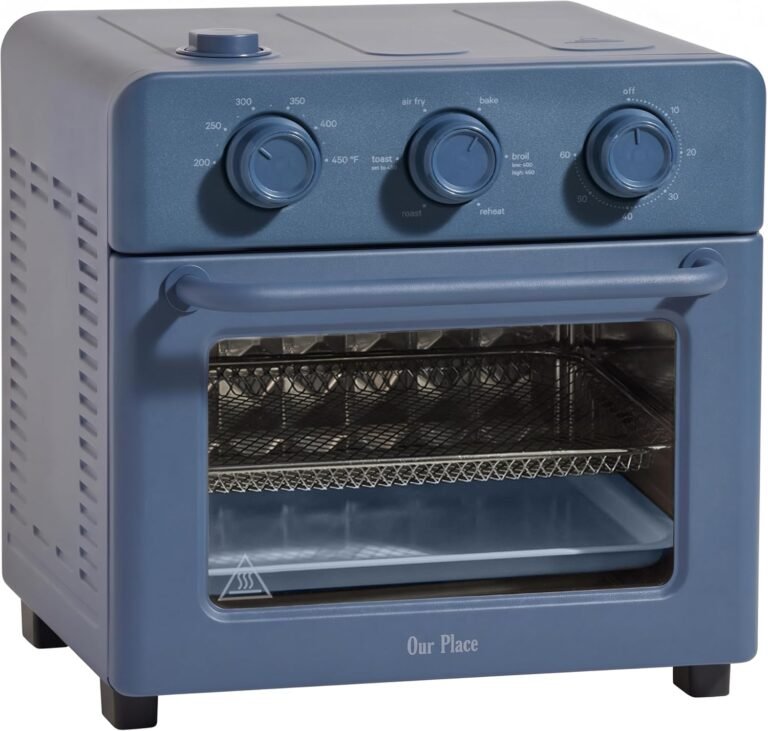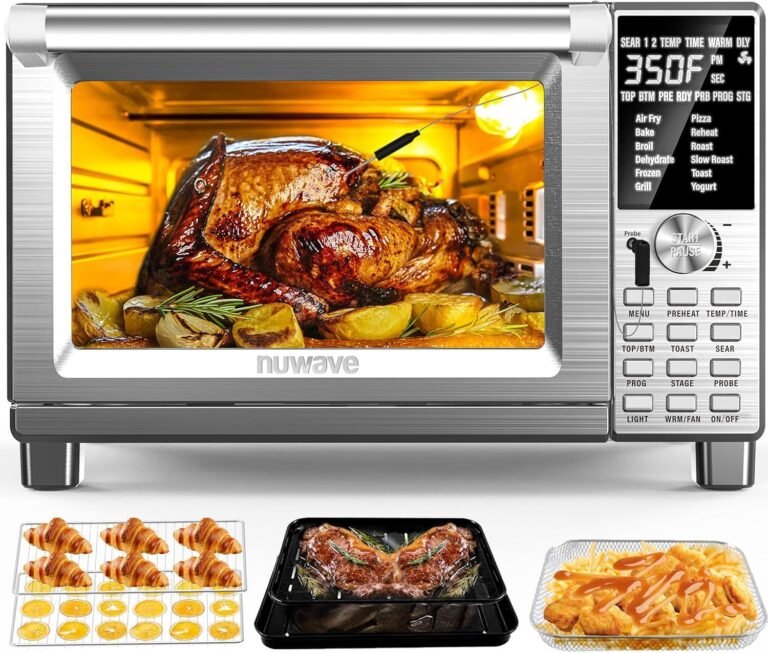
Air Fryer vs Electric Stove: Energy Use Compared
An air fryer uses significantly less energy than an electric stove for most everyday cooking tasks. We found that air fryers typically use around 1,400 to 1,700 watts, while electric stovetop burners pull between 1,200 and 2,400 watts. The big difference is cooking time—an air fryer heats up fast and cooks food in half the time, so it uses far less electricity overall.
This means your choice affects more than just your utility bill. Air fryers generate less heat in your kitchen, so your AC won’t work as hard in the summer months. On the other hand, electric stoves are more versatile for large meals, boiling water, or using multiple pots at once. The best pick really depends on what you cook and how often you cook it.
Here’s the short version:
- Air fryers win on energy efficiency for single or small-batch meals like fries, chicken, and frozen foods.
- Electric stoves use more energy per meal because of longer cooking times and wasted heat.
- An air fryer can cut your cooking energy use by up to 50% or more per meal.
- Electric stoves are better for big family dinners, soups, and recipes needing multiple burners.
- Your total monthly cost depends on your electricity rate, but air frying typically costs just a few dollars less per month.
Below, we break down the exact numbers, pros and cons, and a simple formula so you can figure out which appliance saves you the most money at home. If you’re still deciding which air fryer to buy, our air fryer compare guide breaks down the key specs.
Comparing Energy Use: Air Fryer Versus Electric Stove
We found that the average household spends a good chunk of change on kitchen energy. Between running the fridge and cooking meals, it adds up fast. The good news? You can keep more money in your pocket by picking the right appliance for the job.
The core difference comes down to wattage and time. An air fryer runs at a lower wattage for a shorter period. An electric stove coil draws more power and takes longer to finish the same dish. Let’s break down the numbers so you can see exactly where your money goes.
Breaking Down the Wattage Numbers
Most countertop air fryers pull between 1,400 and 1,700 watts when running at full heat. Electric stoves vary quite a bit. A standard electric coil burner uses about 1,200 watts on low, but a large burner on high can hit 2,400 watts or more.
Here is a simple comparison based on common settings:
| Appliance | Average Wattage | Typical Cook Time | Energy Used Per Meal |
|---|---|---|---|
| Air Fryer (1,500W) | 1,500 watts | 15-20 minutes | 0.4 – 0.5 kWh |
| Electric Stove Burner | 1,500 – 2,400 watts | 30-40 minutes | 0.8 – 1.2 kWh |
You can see the pattern. The stove uses double the energy for the same batch of food. That is a huge difference when you cook daily.
Why Cooking Time Matters More Than Watts
Many people look only at watts and think the stove wins because it has a lower setting. We found that total energy use is a math problem: watts multiplied by hours. A high-watt appliance used for five minutes can use less total power than a medium-watt appliance used for twenty.
Air fryers circulate hot air at high speed. This cuts cooking time by 20% to 40% compared to a traditional oven or stovetop method. You do not need to preheat an air fryer for very long, either. Most heat up in under three minutes.
How Heat Waste Affects Your Electric Bill
An electric stove throws a massive amount of heat into the air around the pan. We found that a lot of that energy never touches your food. The coils heat the glass, the air, and the pot handle before the contents start to warm up.
Air fryers are enclosed. The heat stays inside the basket where the food is. This containment means less wasted energy and a cooler kitchen in the summer.
The Air Conditioning Connection
Your stove works against your AC during hot months. Every degree of heat your stove adds means your air conditioner has to work harder to cool the house down. That is a hidden cost that shows up on your utility bill.
We found that switching to an air fryer during summer can lower your home cooling load. The kitchen stays comfortable, and your HVAC system cycles less often. Many experts say this secondary effect can save you even more money than the cooking energy alone.
When the Electric Stove Makes More Sense
Let’s be fair. The air fryer is not the best tool for every meal. We found that the electric stove wins in a few clear scenarios. If you are boiling a large pot of pasta or making a big batch of soup, the stove is the way to go.
Large families also benefit from the multiple burners on a stove. You can cook meat, rice, and vegetables all at the same time. An air fryer is a single basket. You can only cook one batch at a time.
Batch Cooking and Big Meals
When you need to feed six or more people, the air fryer becomes a bottleneck. You have to cook in shifts. This extends the total kitchen time and can actually use more energy than just using the stove once.
Think of it this way. The stove is the workhorse for big jobs. The air fryer is the sports car for quick trips. Each one has its own lane.
Signs You Should Use the Stove
You will want to choose the stove when you need to:
- Boil water fast for pasta or potatoes.
- Use multiple pots or pans at the same time.
- Cook large quantities for meal prep or guests.
- Simmer sauces or soups for a long time.
- Use cast iron skillets for a good sear.
Calculating Your Monthly Cost Savings
You can figure out your exact savings with a simple formula. First, find your electricity rate on your power bill. The national average in the US is around 16 to 17 cents per kilowatt-hour (kWh).
Next, multiply that rate by the energy used. We found that a typical air fryer meal uses about 0.45 kWh. Multiply 0.45 by $0.16. That comes to roughly 7 cents per meal. A stove meal using 1.0 kWh would cost about 16 cents.
Realistic Monthly Savings
The math looks small per meal, but it adds up. Cook one meal a day and save about 9 cents each time. That is roughly $2.70 per month. Cook twice a day, and you are saving $5.40 per month.
That might not sound like a life-changing amount. But combine it with less AC usage in the summer and fewer hot kitchens, and the air fryer becomes a smarter choice for daily cooking. Over a year, those savings can easily reach $60 to $80.
Practical Tips to Save Energy With Either Appliance
We gathered some practical habits that help you save no matter which machine you use. Small changes in your routine can trim your energy bill without sacrificing flavor.
Use these tips to get the most out of your kitchen gear:
- Preheat your air fryer for only 2 to 3 minutes instead of the full cycle.
- Match your pot size to the stove burner. A small pot on a large burner wastes heat.
- Use the air fryer for frozen foods, snacks, and single portions.
- Batch cook with the air fryer when making 2 to 3 servings at a time.
- Keep the stove burner on medium instead of high to reduce wasted heat.
Choosing the Right Air Fryer Size
A bigger air fryer uses more energy to heat the larger cavity. If you only cook for one or two people, a 3 to 4-quart model is plenty. We found that larger units, like 6-quart models, pull almost the same wattage but take longer to heat.
Select the smallest machine that fits your meals. This way, you are not paying to heat empty space. It is like driving a compact car instead of a truck for your daily commute.
Final Thoughts on Utility Savings
The choice between an air fryer and an electric stove depends on your routine. If you cook small meals, frozen snacks, or quick proteins, the air fryer wins every time. If you feed a crowd or make elaborate dishes, the stove remains your best friend.
At the end of the day, the air fryer offers a cleaner, cooler, and cheaper way to cook everyday meals. The stove still has its place for heavy lifting. Pick the tool that matches the task, and your bank account will thank you.
Conclusion
You now have the full picture. When you cook small meals, the air fryer is the clear winner for your wallet. It uses less power and finishes the job in half the time. The electric stove is still your best bet for big family dinners or multi-pot recipes.
Your best move? Use both. Reach for the air fryer on busy weeknights and for frozen favorites. Save the stove for the heavy lifting. This simple switch can keep your kitchen cooler during summer and trim your monthly power bill. Try it for a week and watch how much faster your meals come together. For practical tips on making the air fryer a daily habit, see our guide to the air fryer for everyday use.
Frequently Asked Questions
Is it cheaper to use an air fryer instead of my electric stove?
Yes, for most everyday meals. You will save roughly 9 cents per meal when you choose the air fryer over a stovetop burner. Cook twice a day and that works out to about $5.40 per month in savings.
Can I cook a whole chicken in an air fryer to save energy?
You can cook a small whole chicken in most 5-quart or larger models. It cooks faster than a stove method, so you will use less electricity. Just check the internal temperature hits 165°F before you serve it.
Does using an air fryer make my kitchen less hot than a stove?
It does, and that is a big bonus in the summer. The air fryer traps heat inside the basket, while your stove radiates heat into the room. A cooler kitchen means your air conditioner won’t run as much, which lowers your cooling bill.
What is the cheapest way to reheat food: air fryer, stove, or microwave?
A microwave is the cheapest option for reheating leftovers. It uses around 1,000 watts for just two minutes. The air fryer is a close second for crispy food, but it takes longer and uses more power. The stove is usually the pricey choice for reheating.
Should I unplug my air fryer when I am not using it?
Yes, unplugging it is a good habit. Most air fryers draw a small amount of standby power when plugged in with the clock or control panel lit. It is a tiny amount, but unplugging saves you a few cents over a month and protects the unit from power surges.