Air Fryer Buyers Guide: Top Picks for November 2026
An air fryer is a countertop convection oven that uses rapid hot air to crisp food with a fraction of the oil of deep frying. The best air fryer for you comes down to size, power, and your cooking habits, not the most expensive model. We found that most households need a 5-to-6-quart basket model, which handles everything from chicken wings to frozen fries with ease.
With so many brands, wattages, and extra features like rotisserie or dual baskets, choosing the right one can feel like a chore. Don’t worry. We researched the key specs that actually matter for cooking, so you can skip the marketing fluff. Our focus is on helping you find an appliance that fits your counter space, your budget, and the meals you actually make on a Tuesday night.
- Best overall pick: A 5.8-quart model with 1700 watts for fast, even cooking.
- Budget winner: A basic 4-quart basket air fryer under $60 that nails the essentials.
- Best for families: A 10-quart or larger oven-style air fryer for full meals.
- Key feature to seek: Dishwasher-safe basket and crisper plate for easy cleanup.
- Key feature to skip: Touchscreens and Wi-Fi, which drive up the price without improving results.
Below, we break down everything you need to know about choosing an air fryer, including the exact specs to compare and a few traps to avoid. Let’s walk through it together so you can make the right call for your kitchen.
Finding the Right Air Fryer for Your Kitchen
You need a machine that fits your counter, your family, and your cooking style. We found that the sweet spot for most people is a 5-to-6-quart basket model. It holds enough food for a family of four without hogging your whole kitchen.
Before you click buy, measure your space. Air fryers come in two main shapes: basket style and oven style. Basket models are compact and great for sides. Oven styles cook more food and fit a whole chicken, but they take up serious real estate.
Basket Air Fryers vs. Oven Air Fryers
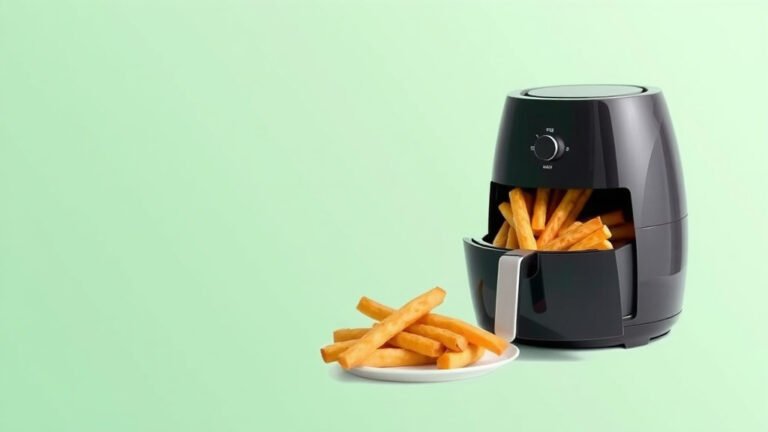
Basket air fryers look like a rounded cube with a pull-out drawer. You shake the basket halfway through cooking to get even crispness. They preheat fast and are easy to store.
Oven-style air fryers look like a toaster oven. They have racks and trays. Many experts say these are better for cooking multiple items at once. Just be aware that they take longer to heat up and can be harder to clean.
We found that most first-time buyers prefer a basket model. It is simpler and takes up less space. If you cook for more than four people, the oven style wins.
Key Air Fryer Specs That Actually Matter
You do not need the fanciest machine. You need the right wattage, temperature range, and basket size. Let’s break down the specs that make or break your cooking.
Wattage and Cooking Power
Wattage determines how fast your air fryer heats up. A higher wattage means faster cooking and crispier results. We found that 1500 to 1700 watts is the gold standard for most models.
If you buy a cheap fryer with low wattage, you will wait longer and may get soggy food. That is a waste of time and energy. Look for a machine that hits at least 1500 watts to avoid the dreaded half-cooked fries.
Temperature Range and Controls
Most air fryers range from 180°F to 400°F. That is plenty for reheating, roasting, and crisping. Some models go to 450°F for extra searing, but that is a nice extra, not a must.
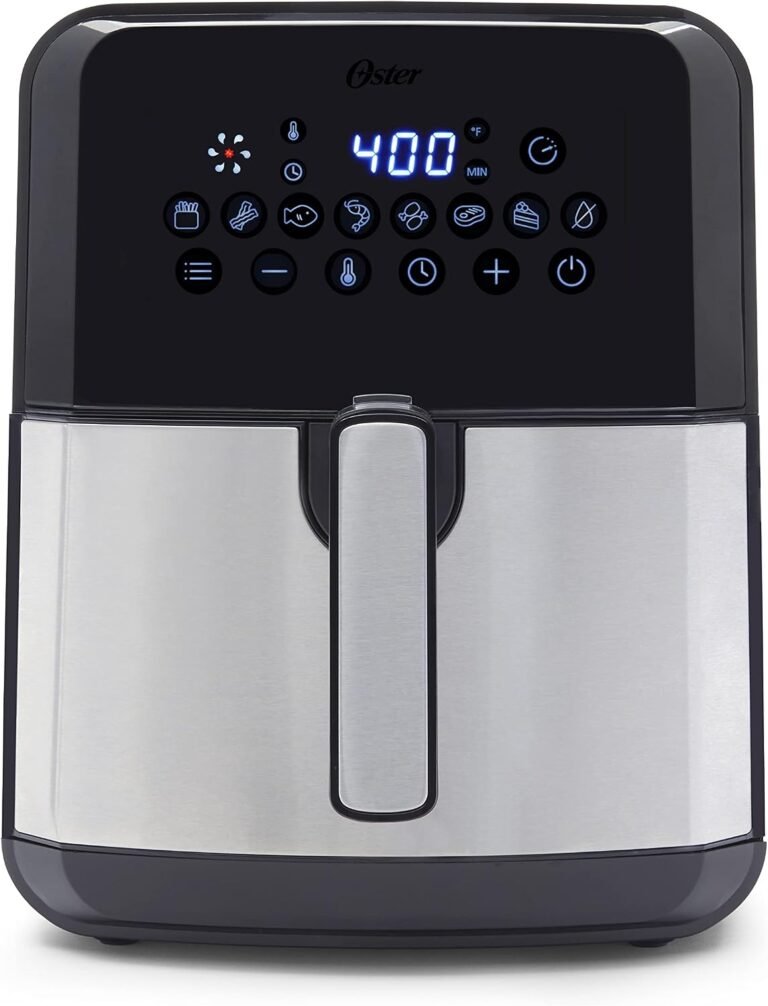
When it comes to controls, simple dials beat fancy touchscreens. We found that knobs are easier to adjust mid-cook and rarely break. Touchscreens look cool but collect fingerprints and can be finicky.
Basket Size and Capacity
Capacity is measured in quarts, and it is the most important spec you will compare. Here is a quick guide to what fits your household:
- 2 to 3 quarts: Good for singles or couples making sides.
- 4 to 5 quarts: Perfect for two people with leftovers.
- 5 to 6 quarts: Best for families of three to four.
- 8 to 10 quarts: Oven-style models for big families.
Remember that a full basket cooks unevenly. You need to leave space for air to circulate. If you overcrowd it, you get steam instead of crispness.
Which Air Fryer Features Are Worth It
Manufacturers love to add bells and whistles. Many of these features just drive up the price. We tested the common extras to see which ones you will actually use.
Dual Basket and Zones
A dual-basket air fryer has two separate drawers. You can cook chicken in one and veggies in the other at the same time. Many experts say this is great for busy weeknights.
But these models are pricey and bulky. If you already have a microwave and toaster, you might not have room. We found that a single large basket works just fine for most people.
Rotisserie and Dehydrating Functions
Rotisserie functions are fun but niche. They take up a lot of space and add weight to the machine. Unless you love cooking whole chickens, skip it.
Dehydrating is a different story. It lets you make jerky, dried fruit, and veggie chips. That is a great feature for healthy snackers. If you see a model with this, it is worth a little extra cash.
Smart Features and Apps
Wi-Fi and app control sound futuristic. In practice, they are clunky and slow. You still have to walk to the machine to load the food. We found that app connectivity is rarely worth the extra $50.
Instead, look for presets. Buttons for fries, chicken, and fish are actually useful. They take the guesswork out of timing and temperature.
What to Look for in the Basket and Cleaning
Your air fryer will get dirty. Grease splatters, crumbs, and stuck-on cheese are inevitable. You need a basket that is easy to clean, or you will stop using the machine.
Nonstick Coating and Materials
Look for a basket with a quality nonstick coating. Many guidelines point to PFOA-free coatings as a safe choice (EPA). This makes food release easily and wipes clean with a sponge.
Stainless steel baskets are durable but can stick. They are heavier too. We recommend a nonstick basket for everyday ease.
Dishwasher Safety
This is the biggest convenience factor. Check if the basket and crisper plate are dishwasher safe. If they are, cleanup takes two minutes. If not, you will be hand-washing greasy parts every time.
Some manufacturers claim dishwasher safe but the coating wears off fast. A good rule of thumb is to hand-wash the basket for the first month. Then you can see how the coating holds up.
Removable Parts and Accessories
More removable parts mean more places to clean. But they also mean more flexibility. A removable crisper plate is a must for easy cleaning and airflow.
Some models come with racks, skewers, or baking pans. These are fun but not essential. Start with the basic basket and add accessories later if you need them.
Air Fryer Safety and Setup
Air fryers get hot. Very hot. You need to think about where you place the machine and how you handle it. A little planning prevents burns and kitchen mishaps.
Countertop Placement and Clearance
Place your air fryer on a flat, heat-safe surface. Leave at least 5 inches of space around the vent. The hot air exhaust can melt nearby plastic or warp wood.
Never put it right under an upper cabinet. The steam and heat can damage the wood over time. We found that keeping it in an open spot is safer and lets you check the food easily.
Safe Handling and Use
The basket gets hot while cooking. Always use the handle, and never touch the metal parts without a mitt. The exterior can also get warm, especially on cheaper models.
Do not fill the basket with oil. Air fryers need only a light spray or brush of oil for crispness. Adding too much oil creates smoke and a mess. Many guidelines point to a tablespoon of oil or less per batch (Mayo Clinic).
Budgeting for Your Air Fryer Purchase
You can spend $30 or $300 on an air fryer. The price difference is about brand, size, and extras, not always quality. We found that mid-range models offer the best value for most buyers.
What You Get at Different Price Points
Here is a quick comparison to help you set a budget:
| Price Range | What to Expect | Best For |
|---|---|---|
| Under $60 | Basic basket model, 4-5 quarts, simple dials | Singles and couples |
| $60 – $120 | Larger basket, presets, dishwasher-safe parts | Most households |
| $120 – $200 | Dual baskets, rotisserie, or oven style | Big families and enthusiasts |
| $200+ | Smart features, premium materials, huge capacity | Serious home cooks |
The sweet spot is the $60 to $120 range. You get a reliable machine without paying for useless tech.
Where to Save Money
Skip the fancy color options and extra accessories. Buy a neutral color and a basic model. You can always buy a silicone liner or extra basket later for cheap.
Also, check the return policy before you buy. Air fryers are heavy to ship back if they break. A good return policy gives you peace of mind.
Your Air Fryer Shopping Checklist
Before you hit that checkout button, run through this quick checklist. It covers the essentials we covered above and helps you avoid buyer’s remorse.
- Measure your counter space and check the air fryer’s dimensions.
- Pick a wattage of 1500 or higher for fast, even cooking.
- Choose a 5-6 quart basket for most family meals.
- Check that the basket is dishwasher safe for easy cleanup.
- Stick with simple dials or basic presets, not touchscreens.
- Leave room for airflow around the machine for safety.
If you check all these boxes, you are getting a solid machine. Do not stress over the brand name. Focus on the specs that make cooking easy and fun.
Conclusion
You do not need a $300 machine to make great crispy food at home. The right air fryer comes down to your counter space, your family size, and how you actually cook. We found that a 5-to-6-quart basket model with at least 1500 watts is the smartest choice for most households.
Stick to simple dials or presets, make sure the basket is dishwasher safe, and skip the Wi-Fi. Those small choices save you money and keep cleanup quick. Measure your space, set a budget between $60 and $120, and check the return policy before you buy.
Your next step is easy: grab a tape measure, check your counter, and compare two or three models using our checklist. You will find the perfect fit in under an hour.
Frequently Asked Questions
Is an air fryer worth it if I already have a convection oven?
Yes, for most people. Air fryers preheat faster and use less energy than a full-size oven. They also crisp food more evenly because the hot air circulates in a smaller space.
If you cook for one or two people, the quick cleanup and shorter cook times make it worth the counter space.
How long do air fryers typically last?
Most quality air fryers last between three and five years with regular use. The heating element and fan are the parts that wear out first.
You can extend the life by hand-washing the basket gently and avoiding metal utensils that scratch the coating.
Can you put aluminum foil or parchment paper in an air fryer?
Yes, you can use both, but you need to be careful. Always weigh down the foil or paper with food so it does not blow into the heating element.
Use perforated parchment paper made for air fryers. It lets air circulate while catching drips, which keeps cleanup simple.
Do air fryers use a lot of electricity?
No, air fryers are actually energy-efficient. Most models use around 1500 watts, which is less than a standard oven.
Since they cook faster, you use less electricity overall. That makes them a smart choice for quick meals and side dishes.
What is the best way to reheat leftovers in an air fryer?
Set the temperature to 350°F and heat for three to five minutes. This works great for pizza, fried chicken, and fries.
Unlike a microwave, the air fryer restores crispness instead of making food soggy. Just check halfway through to avoid burning.