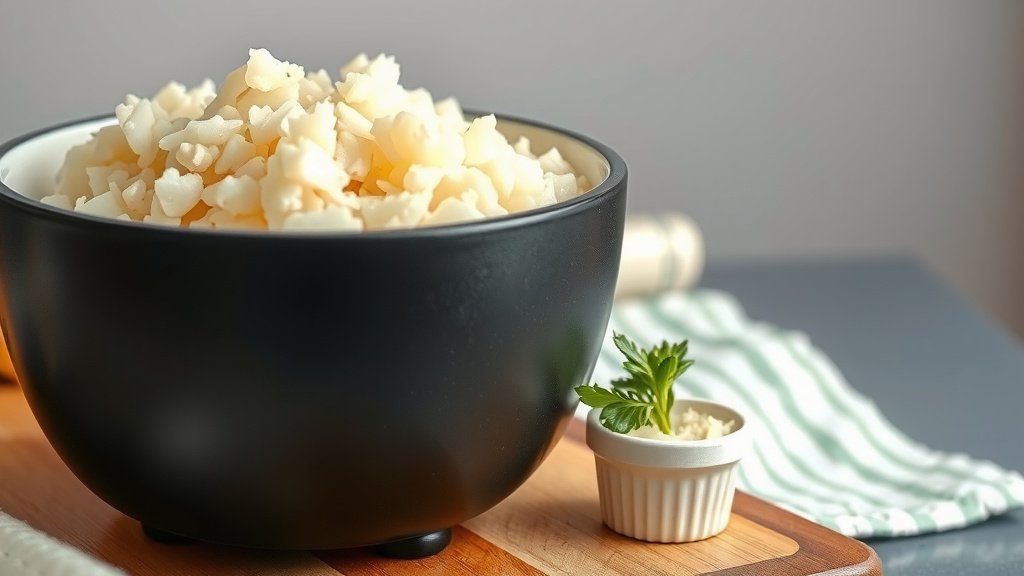
Master Jasmine Rice in Your Rice Cooker: Easy Steps
Cooking perfect jasmine rice in a rice cooker is surprisingly easy. You just need to rinse your rice and use the correct rice-to-water ratio for fluffy, delicious results every time. It’s really that simple!
Using a rice cooker takes the guesswork out of making this fragrant grain. You don’t have to worry about burning or sticky bottoms. It’s a foolproof method for busy weeknights or when you want consistently great-tasting rice.
- Rinse your jasmine rice well.
- Use the right amount of water.
- Let the cooker do all the work.
- Fluff the rice before serving.
Ready to master your rice cooker? Let’s walk through exactly how to achieve that perfect pot of jasmine rice, step by step.
Mastering Jasmine Rice with Your Rice Cooker
Let’s dive into how you can consistently get perfectly cooked jasmine rice using your trusty rice cooker. It’s really quite straightforward once you know the simple steps involved.
The Rice-to-Water Ratio: Your Golden Rule
This is arguably the most important step. Getting the water amount just right ensures your jasmine rice isn’t mushy or dry. Different rice types have different needs, but jasmine rice has a fairly standard requirement.
Understanding the Standard Ratio
For most jasmine rice, the generally accepted starting point is a 1:1.5 ratio. This means for every one cup of dry jasmine rice, you’ll use one and a half cups of water. This ratio is what we found to be most effective for fluffy, separated grains.
Measuring Your Rice and Water
Always use the measuring cup that came with your rice cooker. If you don’t have it, a standard US cup (8 fluid ounces) works. It’s vital to be precise here. Fill the cup with rice, then level it off without packing it down.
Next, measure your water. You can use the same cup. Pour the water in slowly. Some people prefer using a dedicated liquid measuring cup for accuracy, which is a great idea!
Considering Different Rice Cooker Types
While the 1:1.5 ratio is a great starting point, some rice cooker manuals might suggest slightly different amounts. It’s always a good idea to check your cooker’s instructions. Some advanced models have special settings that can adjust for this.
Preparation Steps for Perfect Jasmine Rice
Before your rice cooker even gets plugged in, there are a couple of quick things you should do. These aren’t difficult at all, but they make a difference in the final texture and flavor.
The Importance of Rinsing Your Rice
This is a step many people skip, but it’s crucial for jasmine rice. Rinsing removes excess starch from the surface of the grains. If you don’t rinse, you’ll likely end up with gummy, sticky rice. We found that rinsing really helps achieve that lovely, separated grain consistency.
How do you rinse? Place your measured rice in a fine-mesh sieve. Run cool water over the rice, swirling it gently with your fingers. Keep rinsing until the water runs mostly clear. This usually takes about 3-5 rinses.
Optional: Soaking the Rice
Some cooks like to soak jasmine rice for 15-30 minutes after rinsing. This can lead to an even softer texture. However, if you soak, you might need to slightly reduce the amount of water you add later. For simplicity, skipping the soak is perfectly fine, especially when you’re just starting out. Many guidelines from culinary sources suggest that soaking is not strictly necessary for jasmine rice in a rice cooker (National Grain & Feed Association).
Cooking Your Jasmine Rice: The Rice Cooker Does the Work
Now for the easy part! Your rice cooker is designed to handle this, so you can sit back and relax.
Adding Rice and Water to the Pot
Once your rice is rinsed (and optionally soaked), drain it well. Then, carefully transfer the rice into the inner pot of your rice cooker. Add the measured water directly to the pot with the rice. Give it a quick stir to ensure no rice is stuck to the bottom.
Selecting the Right Cooker Setting
Place the inner pot into your rice cooker. Close the lid securely. Most standard rice cookers have a simple “Cook” or “White Rice” button. Select that setting. If you have a more advanced model with different rice options, “White Rice” or “Jasmine Rice” is usually the best choice.
The Cooking Cycle
Once you press “Cook,” the magic happens. The rice cooker will heat the water to boiling, cook the rice, and then automatically switch to a “Keep Warm” mode when it’s done. This usually takes anywhere from 15 to 45 minutes, depending on your cooker’s model and the amount of rice you’re making.
After Cooking: Resting and Fluffing
Don’t rush to open the lid the second it switches to warm. A little patience goes a long way here.
The Crucial Resting Period
Once your rice cooker has switched to “Keep Warm,” let the rice sit undisturbed for at least 10-15 minutes. This resting period allows the steam to evenly distribute throughout the rice. It helps ensure every grain is perfectly cooked and tender. We found that this step is key to avoiding undercooked or watery patches.
Fluffing Your Perfect Rice
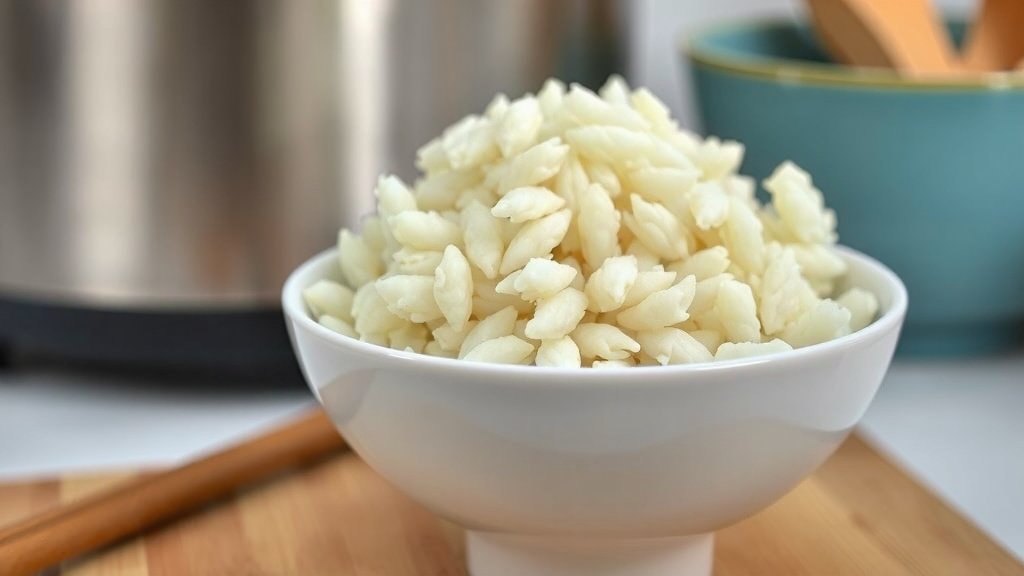
After the rest, open the lid. Use the rice paddle that came with your cooker, or a fork. Gently fluff the rice by lifting and folding it from the bottom to the top. This process separates the grains and releases any remaining trapped steam. Your jasmine rice should now look light and fluffy, ready to be served!
Troubleshooting Common Rice Cooker Issues
Even with the best methods, sometimes things don’t turn out exactly as planned. Here are a few common hiccups and how to fix them.
Rice is Too Wet or Gummy
This usually means too much water was used. For your next batch, try reducing the water slightly, perhaps to a 1:1.25 ratio. You can also try rinsing the rice more thoroughly next time.
Rice is Too Dry or Hard
This points to not enough water. On your next attempt, increase the water amount a little, maybe to a 1:1.75 ratio. Ensure you are using the correct measuring cup.
Rice is Burning on the Bottom
This can happen if the cooker is old or if there’s an issue with the heating element. Sometimes, it’s just a sign that the rice-to-water ratio was a bit off, causing the water to evaporate too quickly. Make sure you’re not overfilling the cooker; always stay within the indicated fill lines.
Quick Checklist for Perfect Jasmine Rice
Here’s a quick rundown to keep handy:
- Measure your dry jasmine rice accurately.
- Rinse the rice under cool water until the water runs mostly clear.
- Use the correct water ratio (start with 1:1.5).
- Add rice and water to the inner pot.
- Select the “Cook” or “White Rice” setting.
- Rest the rice for 10-15 minutes after cooking before fluffing.
Conclusion
You’ve now got the straightforward guide to making perfect jasmine rice in your rice cooker. Remember, the key steps are rinsing your rice well and using the correct rice-to-water ratio – we found 1:1.5 works best for fluffy results. Don’t forget the short resting period after cooking. Your rice cooker is a fantastic tool for consistent, delicious grains with minimal effort. So, go ahead and try it tonight!
Frequently Asked Questions
Can I use regular tap water for cooking jasmine rice?
Yes, you can use regular tap water for cooking jasmine rice. If your tap water has a strong taste or odor, you might consider using filtered water for the best flavor. Always ensure the water is clean and fresh.
What if I don’t have the measuring cup that came with my rice cooker?
No problem! You can use a standard US cup measure (8 fluid ounces). It’s important to be consistent with your measurement for both the rice and the water. Using the same cup for both helps maintain the correct ratio.
Is rinsing the rice really that important for jasmine rice?
Yes, rinsing is very important for jasmine rice. It removes excess surface starch, which prevents the rice from becoming gummy or mushy. Your rice will be much more separated and fluffy when you rinse it until the water runs mostly clear.
My rice cooker has different settings, which one should I use?
For jasmine rice, selecting the “White Rice” or “Jasmine Rice” setting is usually best. If your cooker only has a basic “Cook” button, that will work perfectly fine. These settings are designed to bring the water to a boil and then simmer until done.
How long should I let the rice rest after the cooker switches to warm?
We recommend letting the rice rest for at least 10-15 minutes after the cooker switches to the “Keep Warm” setting. This allows the steam to finish distributing evenly, ensuring tender, perfectly cooked grains throughout the pot.