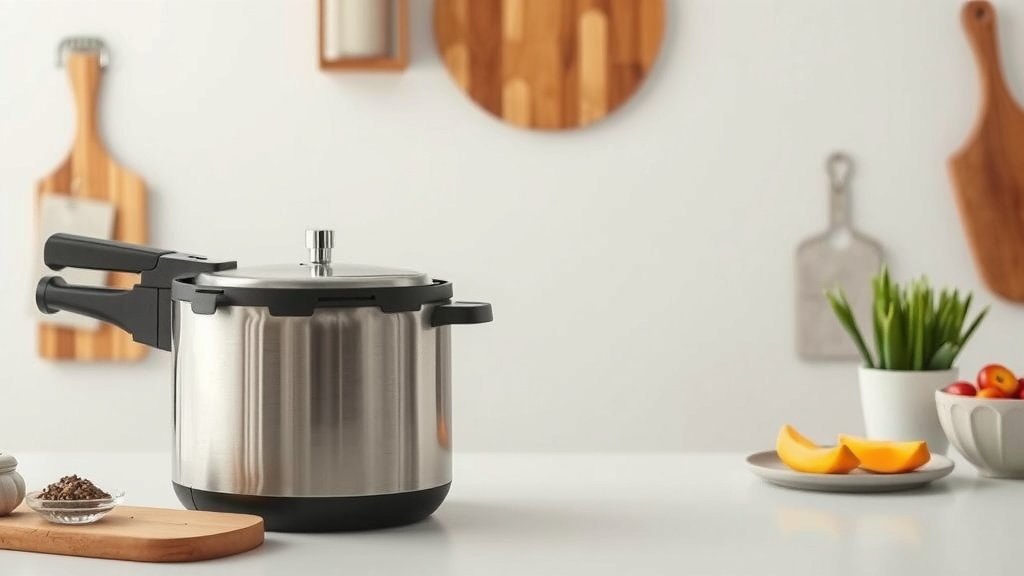
How to Safely Release Pressure on Your Pressure Cooker
You can release pressure on a pressure cooker using a few methods, like the quick release valve or allowing natural release. The best method depends on your recipe. Always consult your cooker’s manual for specific instructions.
Understanding how to safely vent your pressure cooker is key to successful cooking. Rushing this step can lead to burns or improperly cooked food. We found that knowing the difference between quick and natural release protects you and your meal.
- Quick release involves turning the valve.
- Natural release lets pressure drop on its own.
- Always check your recipe first.
- Never force the lid open.
- Safety is the top priority.
Let’s walk through exactly how to safely release pressure from your cooker, step by step.
Safely Releasing Pressure from Your Cooker
You’ve just finished cooking a delicious meal in your pressure cooker. Now comes the final, and perhaps most important, step: releasing the built-up pressure. Doing this safely ensures you avoid steam burns and that your food cooks perfectly. We found that understanding your cooker’s release methods is key.
Understanding Pressure Release Methods
Pressure cookers work by trapping steam inside. This steam builds pressure, which raises the cooking temperature. Releasing this pressure is necessary before you can safely open the lid. There are two primary ways this is done. These are known as quick release and natural release.
The Quick Release Method
Think of quick release like letting air out of a balloon. You’re intentionally and quickly venting the steam. This is done using the pressure release valve on your cooker’s lid. Many recipes call for this method when you need to stop the cooking process immediately. It prevents overcooking delicate ingredients.
How to Perform a Quick Release
First, ensure your cooker is still actively under pressure. You’ll often see a float valve or indicator pin raised. Locate the pressure release valve. Many cookers have a lever or a knob you can turn. Some modern electric models have a button. Always use a long utensil, like a wooden spoon or tongs, to move the valve. This keeps your hands and arms away from the escaping steam. Direct the steam away from your face and body. You’ll hear a loud hissing sound as the steam escapes. This can continue for several minutes depending on the cooker size and the amount of pressure. Once the steam stops completely, the float valve or indicator pin should drop. This signals it’s safe to open the lid.
When to Use Quick Release
This method is ideal for foods that can become mushy if cooked too long. Think of vegetables like broccoli or green beans. It’s also great for seafood like shrimp or fish. If a recipe says “release pressure immediately” or “quick release,” this is what it means. We found that it significantly reduces the cooking time for certain dishes.
The Natural Release Method
Natural release is the opposite of quick release. Instead of forcing the steam out, you let the pressure drop on its own. This happens gradually as the cooker cools. It’s a much gentler process for your food. Many recipes, especially for meats, recommend this method.
How to Perform a Natural Release
Once your cooking time is complete, simply turn off the heat or unplug the electric cooker. Do nothing else. Let the cooker sit undisturbed on a heat-resistant surface. The pressure will slowly dissipate over time. This can take anywhere from 10 to 30 minutes, or sometimes longer. You’ll know the pressure has fully released when the float valve or indicator pin drops down. Only then should you attempt to open the lid. We found that this method results in more tender and moist meats.
When to Use Natural Release
Natural release is highly recommended for foods that benefit from continued, gentle cooking. This includes tough cuts of meat like roasts, ribs, or stews. It helps to break down connective tissues, making the meat incredibly tender. Beans and grains also often do better with natural release. It allows them to absorb more liquid and soften properly. If your recipe states “natural release” or “allow pressure to release naturally,” this is your cue.
Understanding Your Pressure Cooker’s Manual
Every pressure cooker is a little bit different. While the principles of quick and natural release are the same, the mechanics might vary. Your cooker’s manual is your **best friend** here. It will show you exactly where the release valve is located. It will also demonstrate how to operate it safely. Many manuals include helpful diagrams. We found that consulting the manual proactively prevents mistakes and ensures safety.
Identifying the Pressure Release Valve
On stovetop models, this is usually a knob or a lever on the lid. It might have symbols indicating pressure or steam. Electric models often have a steam release knob or a button on top. Some have a handle you can move. Always look for the part that allows steam to escape. The manual will make this very clear.
Safety Features to Note
Modern pressure cookers are designed with several safety features. The float valve or indicator pin is a key one. It will not drop until the pressure is gone. Many lids also have a locking mechanism that prevents opening while under pressure. Never try to force the lid open. This is **extremely dangerous** and can cause serious injury. Research from consumer safety organizations consistently highlights the importance of these built-in safety measures (Consumer Product Safety Commission).
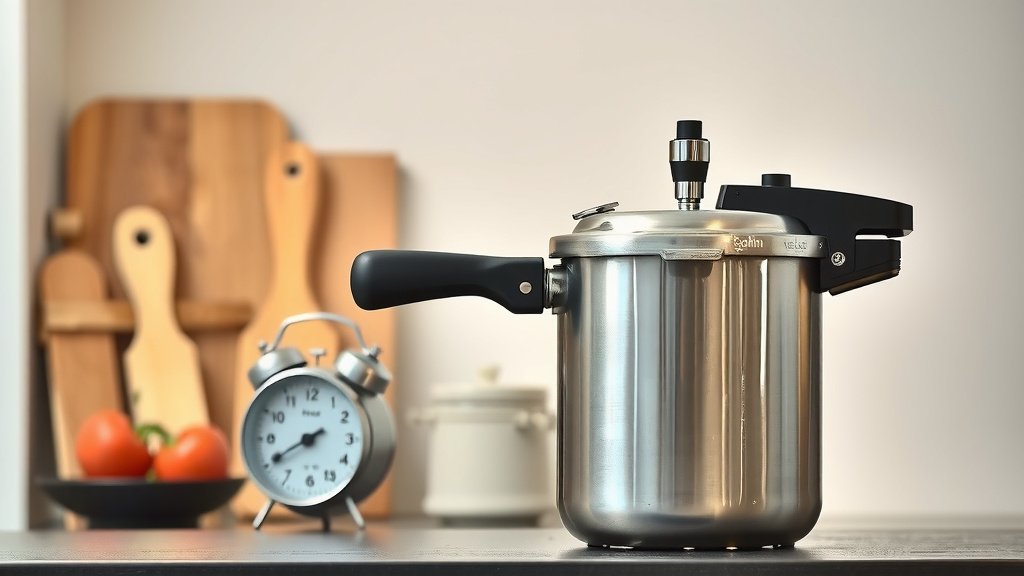
Choosing the Right Release Method for Your Recipe
The recipe is your ultimate guide. It’s written by someone who has tested the dish. They know the best way to achieve the desired result. Always read the recipe through completely before you start cooking. Pay close attention to the instructions regarding pressure release.
Recipe Clues and What They Mean
Look for phrases like:
- “Release pressure using the quick-release method.”
- “Allow the pressure to release naturally for 10 minutes, then quick release any remaining pressure.”
- “Turn off heat and let pressure dissipate on its own.”
These instructions are there for a reason. Following them helps ensure your meal turns out perfectly. We found that deviating from the recipe’s release instructions can lead to unexpected results, like undercooked meat or mushy vegetables.
A Comparison of Release Methods
Here’s a quick look at when each method shines:
| Method | Speed | Effect on Food | Best For |
|---|---|---|---|
| Quick Release | Fast (minutes) | Stops cooking abruptly | Vegetables, seafood, stopping overcooking |
| Natural Release | Slow (10-30+ mins) | Gentle, continued cooking | Tough meats, beans, grains, tenderizing |
Important Safety Checklist Before Opening
Before you even think about opening that lid, run through this quick safety check. It’s your final line of defense:
- Is the cooker completely silent?
- Has the float valve or indicator pin dropped down?
- Did the hissing steam stop completely during a quick release?
- Does the lid feel loose and easy to lift, with no resistance?
- Did you consult your recipe and manual for specific instructions?
If you answered “yes” to all of these, you’re likely in the clear. If anything feels off, wait a few more minutes. Patience is key to pressure cooker safety.
Conclusion
You’ve learned that safely releasing pressure is essential for both your safety and your cooking success. Remember, the two main methods, quick release and natural release, each serve a distinct purpose. Always let your recipe guide your choice, as it’s tailored to the specific dish. Your pressure cooker’s manual is also your best friend for understanding its unique features. By following these steps and paying attention to your cooker’s signals, you can confidently finish any pressure-cooked meal. Next time, simply read your recipe carefully and choose the release method that’s right for your ingredients.
Frequently Asked Questions
What happens if I open a pressure cooker too soon?
Opening a pressure cooker before all the pressure is released is dangerous. The superheated steam and liquid can erupt, causing severe burns. You may also find your food is not cooked properly, especially if you used a quick release for a recipe that required natural release.
Can I speed up the natural release process?
You should avoid trying to speed up natural release. Methods like running cold water over the lid or trying to pry it open are unsafe. They can damage your cooker and lead to a sudden, dangerous release of pressure. Patience is key for this method to work safely.
My pressure cooker is still hissing steam, but the float valve dropped. What should I do?
If you hear residual hissing after the float valve has dropped, it’s best to wait a bit longer. Sometimes, a small amount of steam can escape erratically. Wait until the hissing completely stops and the lid feels loose before attempting to open it.
Is it safe to use a quick release on tough meats?
Generally, no. Tough cuts of meat, like roasts or brisket, benefit from the slow, tenderizing effects of natural release. Using a quick release on them can result in meat that is still tough or chewy. Always check your recipe for specific instructions.
How do I know for sure that all the pressure is gone?
The most reliable indicator is the float valve or indicator pin. It will be fully lowered and flush with the lid when all pressure has dissipated. You should also hear no more hissing sounds. The lid should also feel loose and offer no resistance when you try to lift it.