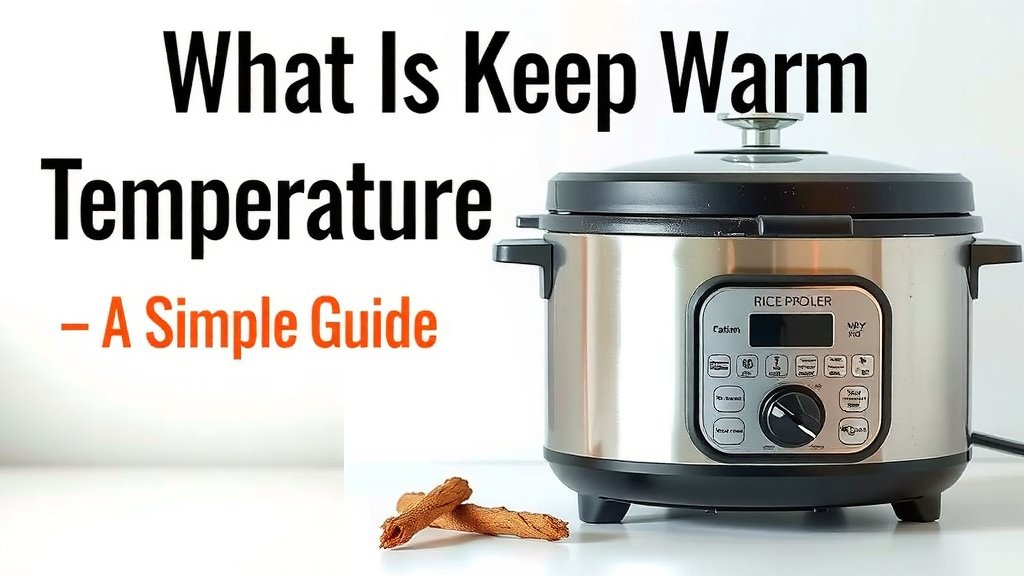
What Is Keep Warm Temperature on a Rice Cooker? A Simple Guide
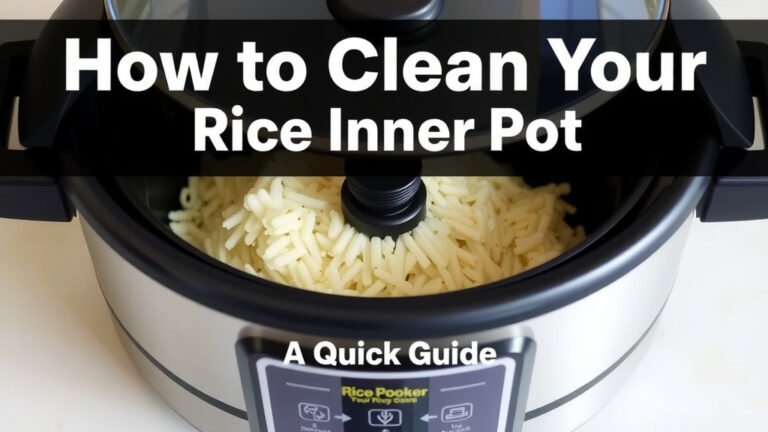
Keep warm temperature on a rice cooker is a setting that holds your cooked rice at around 140°F to 150°F (60°C to 65°C) after the cooking cycle ends. It keeps rice safe to eat and ready to serve for hours. Think of it as a cozy waiting room for your rice, not a cooking mode. Our guide to how the keep warm function works covers the same idea across other appliances.
Most rice cookers switch to this mode automatically once the rice finishes cooking, so you don’t have to press anything. We researched common manufacturer guidelines and found that rice can stay fresh and safe on keep warm for about 4 to 12 hours, depending on your model. Some newer cookers even offer separate settings for longer or shorter holding times.
- Keep warm holds rice at roughly 140°F to 150°F, above the safe zone for bacteria growth.
- Most rice cookers switch to keep warm on their own after cooking.
- Rice typically stays good on keep warm for 4 to 12 hours.
- Leaving rice too long can dry it out or cause yellowing at the bottom.
- Fluffing the rice and adding a splash of water helps it stay moist.
Below, we break down everything you need to know about the keep warm setting, including how long you can safely use it and a few simple tricks to keep your rice tasting great. Ready to become a rice cooker pro? Let’s dig in.
Understanding the Keep Warm Setting on Your Rice Cooker
The keep warm setting holds cooked rice at a steady low heat so it stays edible and enjoyable. It is not designed to cook anything. Instead, it acts like a holding pattern, keeping your rice above the danger zone where bacteria multiply fastest.
The USDA considers temperatures below 40°F and above 140°F important lines for food safety. Between those numbers, bacteria can double in number in as little as 20 minutes. That is why your rice cooker aims to sit safely above that 140°F line.
How the Setting Actually Works
Inside your cooker, a small sensor watches the temperature of the inner pot. Once cooking ends, the heating element drops to a much lower power level. It then cycles on and off to hold that gentle warmth.
We found that this cycling is why the bottom of the pot sometimes gets a little crusty. The heating element pulses, and the rice closest to it dries out first. Think of it like keeping soup on the stove’s lowest setting for hours. Edible? Yes. Perfect? Not quite.
How Long Can Rice Safely Stay on Keep Warm?
Most manufacturers suggest eating your rice within 4 to 12 hours of the keep warm cycle starting. Basic models usually sit at the lower end of that range. Fuzzy logic and induction cookers often hold temperature more precisely, so they can stretch longer.
Food safety experts, including those at the CDC, recommend not leaving cooked rice at room temperature for more than two hours. Keep warm solves that problem by keeping rice hot enough to slow bacterial growth. But it does not stop it completely. Rice is one of those foods where Bacillus cereus, a common spore-forming bacterium, can survive cooking and slowly wake up if temperatures slip.
| Cooker Type | Safe Keep Warm Time | Notes |
|---|---|---|
| Basic one-button models | 4–6 hours | Temperature swings more; rice dries faster |
| Microcomputer (fuzzy logic) | 8–12 hours | Smoother temperature control |
| Induction heating models | Up to 12 hours | Most precise holding, gentlest on texture |
Signs Your Rice Has Been on Keep Warm Too Long
Wondering if you’ve pushed your luck? Your rice will tell you. Watch for these warning signs:
- A dry, cracked surface that looks like a desert floor.
- Yellow or brown crust forming along the bottom and edges.
- A stale or slightly sour smell when you lift the lid.
- Grains that feel hard in the middle even after fluffing.
If you notice a slimy texture or an off smell, toss the rice. No sense gambling your evening over a $3 bag of rice.
Does Keep Warm Use a Lot of Electricity?
Not really. Keep warm mode uses far less power than the cooking cycle. We found that most rice cookers drop from several hundred watts during cooking down to roughly 15 to 40 watts while holding temperature. That’s about as much draw as a single LED light bulb.
So leaving rice on keep warm for a few hours costs you pennies. The bigger cost is texture, not your utility bill.
Tips to Keep Rice Tasting Fresh on Keep Warm
A few small habits make a big difference. Many experts suggest these simple moves to keep rice soft and tasty during long holds:
- Fluff immediately: Stir the rice with a paddle right after cooking to release steam.
- Add a splash of water: One or two tablespoons over the surface adds moisture back.
- Keep the lid closed: Every peek lets steam escape and heat drop.
- Don’t overfill: Crowded pots heat unevenly and dry out faster.
- Use a damp cloth trick: Some cooks lay a damp paper towel under the lid for extra moisture. Just remove it before serving.
- Serve from the edges: Scoop from the sides, where rice dries first.
What About Other Foods?
Your rice cooker’s keep warm mode isn’t only for rice. It can hold soups, steamed vegetables, and even oatmeal at a serving temperature. Just remember two things.
Foods That Hold Well
Stews, congee, and chili hold up beautifully. Their moisture protects them from drying out. Steamed dumplings and buns also do well for an hour or two.
Foods to Avoid
Skip dairy-heavy dishes and seafood. Milk-based foods can scorch on the bottom, and seafood loses both texture and safety margins quickly. The FDA notes that perishable proteins need careful temperature control, and a rice cooker’s keep warm mode isn’t always precise enough for them.
Keep Warm vs. Reheating: What’s the Difference?
These two jobs are easy to confuse. Keep warm maintains a temperature. Reheating brings cold food back up to a safe serving temperature. They are not interchangeable.
If your rice has cooled below 140°F, don’t rely on keep warm to fix it. It heats too gently to climb back through the danger zone quickly. The USDA recommends reheating leftovers to at least 165°F, which your rice cooker’s keep warm mode simply cannot do. Use the microwave or stovetop for that job, then transfer the rice back if needed.
When to Skip Keep Warm Entirely
Sometimes the best move is to just eat. Or better yet, store the rice properly for later. We found that cooling rice quickly and refrigerating it within an hour often gives you better leftovers than hours on the warmer. A short stint on keep warm is fine, but long holds sacrifice quality for convenience.
Quick Checklist Before You Walk Away
Leaving rice on keep warm while you handle the rest of dinner? Run through this quick list first:
- Fluff the rice before starting the hold.
- Confirm the cooker actually switched to keep warm mode.
- Add a splash of water if the rice looks dry.
- Set a phone timer for the 4-hour mark as a reminder.
- Keep the lid closed until serving time.
- Refrigerate anything you won’t eat within the safe window.
Follow these steps, and your rice will still be worth eating when you finally sit down. Not bad for a button most of us never think about, right?
Conclusion
Now you know the deal with that little keep warm button. It holds your rice at a safe 140°F to 150°F, kicks in automatically after cooking, and buys you a window of 4 to 12 hours depending on your cooker. The trade-off? Texture fades the longer you wait, so fluff early, add moisture, and keep that lid closed. We also found that long holds cost you pennies in electricity but real quality in every bite. Your next step is simple: tonight, fluff your rice right after cooking, set a 4-hour timer, and taste the difference for yourself. Dinner just got a little easier.
Frequently Asked Questions
Can I turn off the keep warm setting on my rice cooker?
On most basic models, you can’t. Keep warm activates automatically once cooking finishes, and the only way to stop it is to unplug the unit or press the off button if yours has one. If you don’t want your rice sitting in the pot, transfer it to a container right away.
Can I add uncooked rice to the pot while it’s on keep warm?
No, this won’t work and isn’t safe. Keep warm mode doesn’t produce enough heat to cook raw rice, so you’d end up with partially warmed grains sitting in the danger zone. Always cook a fresh batch instead.
Why does my rice cooker click while on keep warm?
That clicking is normal. It’s the heating element cycling on and off as the thermostat holds the temperature steady. If your cooker makes loud or continuous popping sounds along with a burning smell, unplug it and check the inner pot for damage.
Can I leave the rice paddle or measuring cup in the pot during keep warm?
It’s best to remove them. Leftover utensils can trap steam against the rice, creating soggy spots or uneven texture. Some plastic paddles may also warp slightly with long exposure to heat, so set them aside until serving.
Does keep warm work the same for brown rice and white rice?
Not quite. Brown rice has extra bran and moisture, so it tends to hold up slightly better on keep warm. White rice dries out faster and can develop a crust sooner. Either way, the same 4 to 12 hour safety window applies, so don’t stretch it past what your manual recommends.