How to Store Your Rice Cooker Properly for Longevity
Storing your rice cooker is simple if you know a few key tips. You can easily store your rice cooker in a dry, cool place, making sure its parts are clean and completely dry to prevent damage. It’s all about keeping it safe and ready for your next fluffy rice meal!
Proper storage helps your rice cooker last longer. Many people worry about where to put it, especially in small kitchens. Finding a good spot ensures your appliance stays in top condition and won’t develop any unpleasant odors or mildew. Think of it as tucking your kitchen helper into a comfy bed.
- Clean and dry all parts thoroughly before storing.
- Store in a cool, dry location away from heat and moisture.
- Keep the lid on or cover to prevent dust buildup.
- Store the cord neatly to avoid tangles.
- Consider storing the inner pot separately if space is tight.
Let’s walk through the best ways to store your rice cooker so it’s always ready to make delicious rice for you.
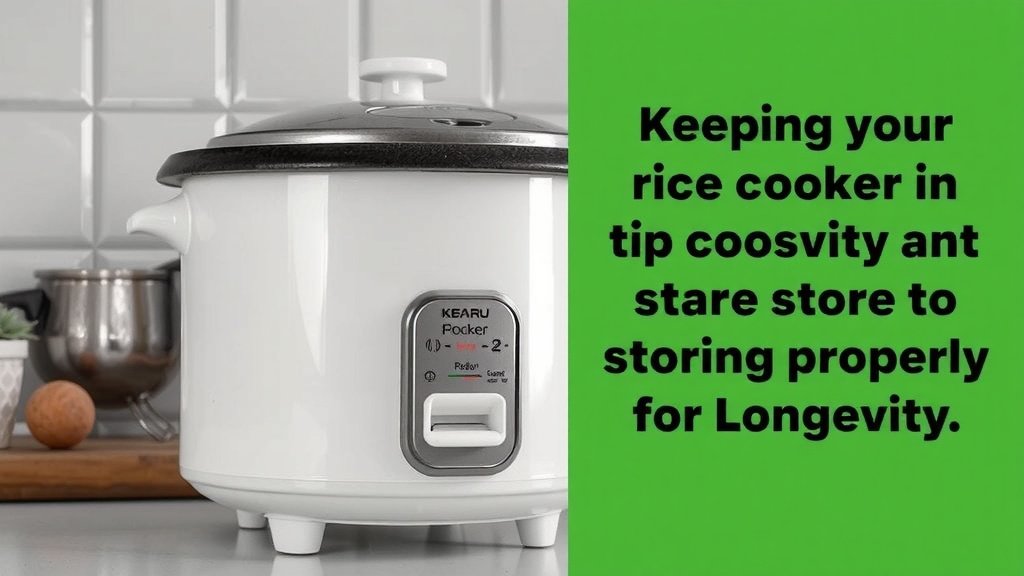
Keeping Your Rice Cooker in Tip-Top Shape
Storing your rice cooker properly is key to its longevity. It ensures your appliance remains clean and functional for many delicious meals to come. Let’s explore the best practices for tucking away your trusty rice maker.
Preparing Your Rice Cooker for Storage
The Importance of a Thorough Clean
Before you even think about putting your rice cooker away, a good cleaning is **absolutely essential**. Imagine storing away dirty dishes; it’s the same principle for your appliance. Food residue left behind can turn into mold or mildew. This can lead to unpleasant odors and even damage the non-stick coating over time.
Drying is Non-Negotiable
After cleaning, ensuring every part is **completely dry** is just as vital. Moisture is the enemy of stored appliances. It promotes mold growth and can lead to rust on metal components. You’ll want to air dry everything or use a clean, soft towel. Pay special attention to nooks and crannies where water can hide.
Cleaning the Inner Pot
Your inner pot is likely the most frequently used part. Wash it with warm, soapy water. For stubborn bits, a non-abrasive sponge is your friend. Avoid steel wool, as it can scratch the surface. Once clean, let it air dry on a rack or wipe it thoroughly with a lint-free cloth until **bone dry**.
Don’t Forget the Lid and Accessories
The lid, steam vent, and any included accessories like measuring cups or spatulas also need attention. Wash these items carefully. Make sure the steam vent is clear of any debris. Again, **thorough drying** is the goal before anything goes into storage.
Wiping Down the Exterior
While you’re at it, give the exterior of your rice cooker a good wipe-down. A damp cloth usually does the trick. This removes any spills or splatters. Ensure the exterior is also dry before storing to prevent water spots or potential damage to the finish.
Choosing the Right Storage Location
The “Cool and Dry” Mantra
Experts consistently recommend storing appliances in a **cool, dry place**. This is perhaps the most critical rule for preventing damage. Think of a pantry, a cabinet, or a dedicated shelf in your kitchen. These spots are typically shielded from extreme temperature fluctuations and humidity.
Avoiding Heat and Humidity Sources
Your rice cooker should not be stored near heat-generating appliances. This includes ovens, toasters, or radiators. High heat can warp plastic parts or damage electronic components. Likewise, avoid areas with high humidity, such as near a sink or a bathroom. These conditions can encourage rust and mold growth, which we definitely want to **avoid at all costs**.
What About the Original Box?
If you still have the original box and packaging, it can be a great option for storage. The styrofoam or cardboard inserts can help protect the rice cooker from bumps and scratches. Just ensure the box itself is stored in a dry environment, as cardboard can absorb moisture.
Protecting Against Dust
Even in a clean cabinet, dust can accumulate over time. To keep your rice cooker pristine, consider covering it. You can use the lid itself if it fits snugly. Alternatively, a clean kitchen towel or a breathable fabric cover works well. This simple step prevents a layer of dust from forming on your appliance.
Organizing for Smart Storage
Managing the Power Cord
A tangled power cord is not only unsightly but can also be a hazard. Most rice cookers have a way to wrap the cord. Look for cord storage loops on the base or side. If yours doesn’t, gently wrap the cord and secure it with a twist tie or a small Velcro strap. This keeps it neat and **prevents tripping hazards**.
Storing the Inner Pot Separately
If you have a particularly compact kitchen or a larger rice cooker, you might find it easier to store the inner pot separately. It can fit inside a cabinet or drawer on its own. This frees up space and makes it easier to access both the pot and the main unit when you need them.
The Ultimate Rice Cooker Storage Checklist
Here’s a quick rundown to ensure you’ve covered all your bases:
- Ensure all parts are **spotlessly clean**.
- Confirm every component is **completely dry**.
- Select a **cool, dry storage location**.
- Keep it away from heat and moisture sources.
- Cover the unit to **prevent dust buildup**.
- Neatly store the power cord.
Conclusion
You’ve learned how to properly store your rice cooker, ensuring it stays in great shape for years. Remember, a clean, dry appliance stored in a cool, dry place is key. Tucking away the cord neatly and protecting it from dust makes a big difference. By following these simple steps, you’re setting yourself up for countless perfect bowls of rice. Now, go ahead and give your rice cooker the cozy storage it deserves!
Frequently Asked Questions
Can I store my rice cooker in a humid basement?
We strongly advise against storing your rice cooker in a humid basement. High moisture levels can encourage rust on metal parts and lead to mold or mildew growth. Always aim for a dry environment to keep your appliance in top condition.
Is it okay to store the inner pot inside the rice cooker?
Yes, you can store the inner pot inside the rice cooker, provided both are perfectly clean and completely dry. This is a great space-saving option. Just ensure there’s no lingering moisture, which could cause issues over time.
What if I don’t have much cabinet space?
If space is tight, consider storing the inner pot separately in a drawer or on a shelf. You can also wrap the cord neatly and store the main unit on a countertop or in a small appliance garage. Getting creative with organization helps!
How do I protect my rice cooker from dust if it’s out on the counter?
If your rice cooker lives on the counter, covering it is a good idea. A clean kitchen towel draped over it works well. Some people also use breathable fabric covers. This simple step keeps dust from accumulating inside or on the exterior.
Should I store my rice cooker with the lid on or off?
It’s generally best to store your rice cooker with the lid on, especially if it fits snugly. This helps keep dust out of the main compartment. If the lid doesn’t seal well, you can use a lightweight kitchen towel to cover the opening before placing the lid on top.