Easy Guide: How to Clean Cooker Knobs
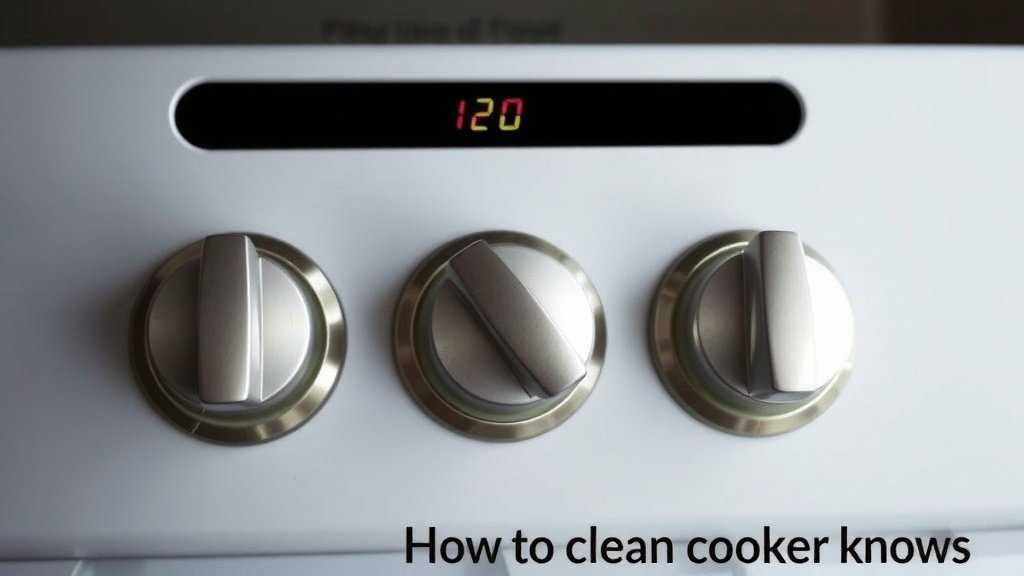
The easiest way to clean cooker knobs is by removing them and soaking them in warm, soapy water. Then, you can scrub away grime with a non-abrasive sponge or cloth. This method works for most types of cooker knobs, whether they’re plastic or metal. Getting them clean will make your stove look brand new again.
Grease and food splatters often build up on cooker knobs. This gunk can be tough to remove with just a quick wipe. Many people find that specialized kitchen cleaners or a paste made from baking soda and water can also tackle stubborn spots. We found that consistency is key to keeping your knobs looking sparkling clean.
- Remove knobs carefully.
- Soak in hot, soapy water.
- Scrub with a sponge or cloth.
- Rinse and dry thoroughly.
Ready to get those knobs shining? Let’s walk through exactly how to do it step by step.
Getting Your Stove Knobs Sparkling Clean
Your stove knobs are tiny but mighty. They control the heat for all your delicious meals. Over time, they can get coated in grease, food splatters, and general kitchen grime. Don’t let dirty knobs dim your kitchen’s shine. Cleaning them is simpler than you might think. We found that a little effort can make your stove look brand new again.
Why Bother Cleaning Those Knobs?
It’s easy to overlook the small details. But clean knobs make a big difference. They contribute to a cleaner, more hygienic kitchen environment. Think about it: you touch these knobs before, during, and after cooking. Grime can transfer from your hands to your food. Plus, a spotless stove just looks so much better. It’s a small task with a big visual reward. We discovered that many people feel a sense of accomplishment after cleaning them.
Know Your Knob: What Are They Made Of?
Before you grab any old cleaning spray, it’s good to know what your knobs are made of. Most common stove knobs are either plastic or metal. This will help you choose the right cleaning method. You don’t want to use a harsh abrasive on a delicate surface.
Plastic Knobs
Plastic knobs are very common. They can be found on gas and electric stoves. Plastic is generally durable but can be scratched. It’s important to avoid harsh chemicals or abrasive scrubbers.
Metal Knobs
Metal knobs often have a sleek, modern look. They can be made of stainless steel, aluminum, or other alloys. Metal can sometimes show water spots or fingerprints more easily. Some finishes might be more sensitive to certain cleaners.
Your Step-by-Step Guide to Knob Cleaning
Ready to roll up your sleeves? Let’s get those knobs shining. We’ve broken it down into simple steps.
Step 1: Remove the Knobs Safely
This is the most critical first step. Most knobs pull straight off the stem. Wiggle them gently while pulling. Some might have a small set screw underneath that needs loosening with a screwdriver. Check your stove’s manual if you’re unsure. Pulling them off allows for a much deeper clean. We found that taking a photo of the knob positions beforehand can be helpful for reassembly.
Step 2: Choose and Prepare Your Cleaning Solution
You have a few great options for cleaning solutions. The best choice often depends on how dirty your knobs are.
Option 1: Warm Soapy Water (The Go-To Method)
This is your best bet for everyday grime. Fill a sink or bowl with warm water. Add a few drops of mild dish soap. This is a gentle yet effective cleaner. It’s safe for almost all knob materials. We recommend this as your first line of defense.
Option 2: Baking Soda Paste (For Tougher Grime)
For stubborn, baked-on grease, baking soda is your friend. Mix baking soda with a little water to form a thick paste. It works as a mild abrasive to lift tough spots. Many household cleaning guides suggest this method for its effectiveness and safety. Test a small, inconspicuous area first, just in case.
Option 3: All-Purpose Kitchen Cleaner
A good quality all-purpose kitchen cleaner can also work wonders. Look for one that is safe for plastic and painted surfaces. Always follow the product’s instructions carefully. Some cleaners are stronger than others. We found that it’s wise to spray the cleaner onto your cloth, not directly onto the knob, to avoid getting it into appliance workings.
Step 3: Soak and Scrub Away the Grime
Once your solution is ready, it’s time to clean. Place the removed knobs into your chosen cleaning solution. Let them soak for about 10-15 minutes. This loosens up the stuck-on food and grease. After soaking, use a non-abrasive sponge, a soft cloth, or an old toothbrush. Gently scrub away the dirt. Pay attention to any crevices or textured areas. Research shows that consistent, gentle scrubbing is more effective than harsh scrubbing (Cleveland Clinic).
Step 4: Rinse and Dry Thoroughly
After scrubbing, rinse each knob under clean running water. Make sure all soap residue is gone. This is important to prevent streaking later. Once rinsed, dry each knob completely with a soft, lint-free cloth. Make sure no water is trapped. Wet knobs can be slippery and may not go back onto the stems properly.
Step 5: Clean the Stove Shafts
While the knobs are off, take a moment to clean the stems they attach to. Use a damp cloth to wipe down these shafts. A cotton swab can be helpful for reaching tight spots. Ensure they are dry before reattaching the knobs.
Step 6: Reattach the Knobs
Now for the satisfying part. Carefully push each knob back onto its corresponding stem. They should fit snugly. If you removed any set screws, tighten them gently. Give them a gentle wiggle to ensure they are secure. If you took a picture, refer to it now to make sure everything is back in its correct place.
Keeping Your Knobs Clean Longer
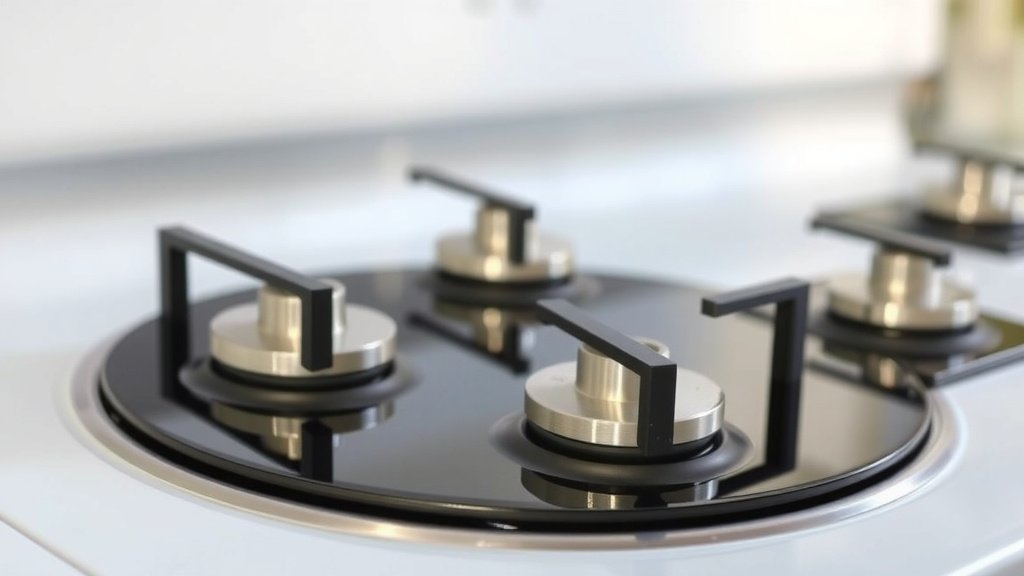
Prevention is key! A little bit of upkeep can save you a lot of scrubbing later.
Wipe Up Spills Promptly
As soon as a spill happens near the knobs, give it a quick wipe. This prevents food from hardening and becoming difficult to remove. It takes seconds and saves minutes of scrubbing later.
Perform Quick Cleans Often
Don’t wait for the major grime buildup. Once a week, give your knobs a quick wipe down with a damp cloth. This simple habit keeps them looking great. We found that this is often enough to maintain a sparkling appearance.
Consider a Splash Guard
If you do a lot of frying, a splash guard can be a worthwhile investment. It can help prevent grease splatters from reaching your knobs and stovetop in the first place.
Your Knob Cleaning Checklist:
- Gather your cleaning supplies.
- Gently remove all cooker knobs.
- Soak knobs in warm, soapy water.
- Scrub away grime with a soft sponge.
- Rinse knobs thoroughly and dry completely.
- Clean and dry the stove shafts before reattaching.
Conclusion
You’ve now got the know-how to make your cooker knobs look amazing! Remember, removing them for a good soak is often the easiest way to tackle built-up grease and grime. Whether you choose warm, soapy water or a baking soda paste for tougher spots, a little effort goes a long way. Keeping them clean not only boosts your kitchen’s appearance but also contributes to a more hygienic cooking space. So, grab your supplies and give those knobs the shine they deserve – your stove will thank you!
Frequently Asked Questions
How often should I clean my cooker knobs?
For most kitchens, a quick wipe-down weekly is a great habit to form. This prevents major buildup. A deeper clean, like removing and soaking them, can be done every few weeks or whenever you notice visible grime.
Can I use harsh chemicals to clean my knobs?
It’s best to avoid harsh chemicals, especially on plastic knobs. They can cause discoloration or damage. Stick to gentler options like dish soap and water or a baking soda paste for effective and safe cleaning.
My knobs are really old and stained. What can I do?
For very stubborn stains, you might need to let them soak a bit longer, perhaps 30 minutes. If baking soda paste doesn’t work, you can try a dedicated oven cleaner on a small, hidden area first to test for damage. Be cautious and always follow product instructions.
What if my knobs won’t pull off easily?
Most knobs pull straight off with a gentle wiggle. If yours feels stuck, check underneath for a small set screw. You might need a small screwdriver to loosen it before the knob can be removed. Consult your stove’s manual if you’re still unsure.
Can I put my cooker knobs in the dishwasher?
Some dishwasher-safe knobs exist, but it’s generally not recommended. The high heat and harsh detergents can potentially warp plastic or damage finishes over time. Handwashing in warm, soapy water is usually the safest and most effective method.