Sparkling Cooker: Easy Vinegar Cleaning Guide
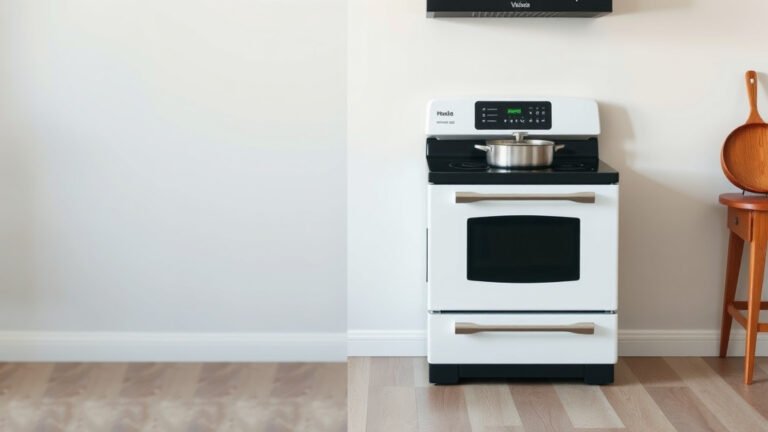
The easiest way to clean your cooker with vinegar is to use it as a natural, non-toxic cleaner for grease and grime. Vinegar’s acidity breaks down tough buildup, making it a fantastic household staple. You can effectively use white vinegar for most cleaning tasks on your cooker, from the stovetop to the oven interior.
Beyond just cutting through grease, vinegar can also help deodorize your kitchen appliances. When you’re dealing with stubborn baked-on messes, vinegar offers a safer alternative to harsh chemical cleaners. We found that using a simple vinegar and water solution can tackle a surprising amount of dirt, leaving your cooker sparkling.
- Use white vinegar for best results.
- Vinegar helps cut through grease and grime.
- It’s a safe, natural cleaning alternative.
- Vinegar can also help with odors.
Ready to get your cooker looking its best without any harsh chemicals? Let’s walk through exactly how to use vinegar to achieve a spotless shine, step by step.
Your Guide to Cleaning a Cooker with Vinegar
Vinegar is your kitchen’s secret weapon for a sparkling cooker. Its natural acidity tackles grease and grime effectively. You can ditch those harsh chemicals. We found that a simple vinegar solution cleans beautifully. It’s safe for most cooker surfaces. Let’s get your cooker looking brand new.
Preparing Your Cooker for Cleaning
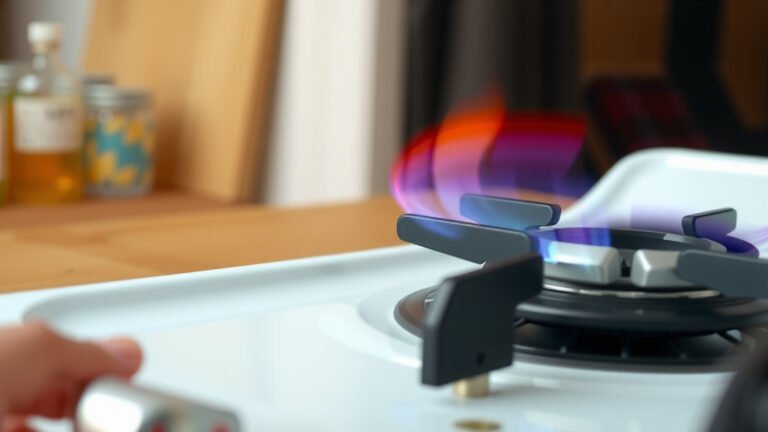
Before you start, gather your supplies. You’ll need white vinegar and a spray bottle. Have some microfiber cloths ready. You might also need a sponge or a non-scratch scrub brush. Make sure your cooker is cool to the touch. This is important for safety. Always unplug electric cookers. For gas cookers, turn off the gas supply.
Clearing the Cooker Surface
Remove any grates, burner caps, or racks. These can often be cleaned separately. This gives you better access to the cooker itself. It also prevents these parts from getting in the way. You’ll find it easier to reach every nook and cranny.
Dealing with Loose Debris
Wipe away any loose crumbs or food particles. A dry cloth or paper towel works well. This step stops you from just pushing dirt around. It makes the wet cleaning process much smoother. Think of it as a quick pre-clean. It sets the stage for vinegar’s cleaning power.
Cleaning the Cooker Exterior with Vinegar
The exterior of your cooker often shows the most wear. Greasy fingerprints and splatters are common. Vinegar cuts through these messes easily. We found that a 1:1 solution of white vinegar and water is perfect for this. Fill a spray bottle with this mixture. Spray it directly onto the cooker’s surface.
Wiping Down Stovetop and Control Panel
For the stovetop, spray the vinegar solution generously. Let it sit for a few minutes. This gives the vinegar time to work on the grease. Then, use a damp microfiber cloth to wipe it clean. For stainless steel surfaces, always wipe in the direction of the grain. This prevents scratches and streaks. The control panel needs a gentle touch. Spray the cloth, not directly onto the panel. This avoids getting moisture into the electronics.
Tackling Stubborn Stains on the Exterior
Sometimes, you’ll encounter dried-on spills. For these, you can try a paste of baking soda and vinegar. Apply the paste to the stain. Let it fizz for a few minutes. Then, gently scrub with a non-scratch sponge. Rinse the area with a damp cloth. Many experts suggest this combination for tough spots (American Cleaning Institute).
Deep Cleaning the Oven Interior with Vinegar
The oven interior can get quite dirty. Baked-on food can be a challenge. Vinegar is a fantastic oven cleaner. It’s much safer than harsh chemical oven cleaners. These chemicals can leave behind fumes. You can use a similar 1:1 vinegar and water solution here.
The Steaming Method for Oven Cleaning
This method is super effective for loosening grime. Pour 1 cup of white vinegar into an oven-safe baking dish. Place the dish in the oven. Heat the oven to 250°F (120°C). Let it steam for about 30 minutes. Turn off the oven. Let it cool down enough to touch comfortably. The steam will have softened the baked-on messes. This makes them much easier to wipe away. You’ll be surprised at how much easier cleaning becomes.
Wiping Away Oven Grime
Once the oven has cooled, open the door. Use a damp microfiber cloth to wipe down the interior. Dip your cloth in the leftover vinegar solution if needed. For any remaining tough spots, you can try the baking soda paste again. Gently scrub and then wipe clean with a damp cloth. Make sure to wipe out any baking soda residue thoroughly. You want a clean oven, not a chalky one!
Cleaning Oven Racks and Shelves
You can often clean oven racks in the sink or bathtub. Lay down old towels to protect the surface. Submerge the racks in hot water. Add about 1 cup of white vinegar. Let them soak for a few hours or overnight. Then, scrub them with a brush. Rinse thoroughly and dry them before putting them back.
Maintaining Your Cooker with Vinegar
Regular cleaning prevents tough build-up. A quick wipe-down after cooking can make a big difference. Use your vinegar spray for everyday spills. This keeps your cooker looking its best. It also ensures it operates efficiently.
Vinegar’s Deodorizing Qualities
Vinegar doesn’t just clean; it deodorizes. It can neutralize odors left behind by burnt food. A light spray inside the oven after cleaning can help. Leave the oven door slightly ajar to air out. This leaves your kitchen smelling fresh. Many sources confirm vinegar’s natural deodorizing abilities (EPA).
Quick Checklist for Vinegar Cleaning:
- Gather your white vinegar, spray bottle, and cloths.
- Ensure the cooker is cool and unplugged.
- Remove removable parts like grates and racks.
- Wipe away loose crumbs and debris first.
- Use a 1:1 vinegar-water solution for most surfaces.
- Try the steaming method for a deep oven clean.
Conclusion
You’ve now seen how effective and simple cleaning your cooker with vinegar can be. We’ve covered how its natural acidity tackles grease and grime on both the exterior and interior. From a quick stovetop wipe-down to a deep oven steam clean, vinegar proves to be a powerful, non-toxic solution. You can easily achieve a sparkling cooker and a fresh-smelling kitchen. Ready to give your cooker a vinegar-powered shine? Grab your white vinegar and cloths and get started today!
Frequently Asked Questions
Can I use apple cider vinegar instead of white vinegar?
While apple cider vinegar also has acidic properties, it’s generally recommended to stick with white vinegar for cleaning. White vinegar has a higher acidity level and is colorless, meaning it’s less likely to stain surfaces or leave a residue. You’ll get the best cleaning results with white vinegar.
Will vinegar damage my stainless steel cooker?
When diluted with water (like the 1:1 solution we discussed), white vinegar is generally safe for stainless steel. Always remember to wipe in the direction of the grain to avoid scratches. We also suggest testing the solution on an inconspicuous area first, just to be sure.
How often should I clean my cooker with vinegar?
For daily maintenance, a quick wipe-down with your vinegar solution after cooking can prevent build-up. For deeper cleaning, like the oven steaming method, you can do it every few months or whenever you notice significant grime. Regular light cleaning makes deep cleaning much easier.
Is vinegar safe to use around food preparation areas?
Yes, vinegar is a food-safe and non-toxic cleaner. Unlike harsh chemical cleaners, it doesn’t leave behind harmful residues. After cleaning, you can rinse the surfaces with water, and any faint vinegar scent will dissipate quickly, leaving your cooker safe for food preparation.
What if the vinegar smell is too strong for me?
The vinegar smell is temporary and is a sign that it’s working its magic. To help dissipate the odor faster, you can open windows for ventilation during and after cleaning. Once the surfaces are dry, the smell usually disappears. You can also follow up with a quick wipe using a cloth dampened with water and a drop of lemon juice.