Air Fryer vs Deep Fryer Chicken: Which Is Better?
For crispy, juicy chicken, an air fryer wins for everyday cooking because it gives you that fried texture with up to 90% less oil than a deep fryer. The real answer depends on what you value most: health and convenience point to air frying, while maximum crunch and traditional flavor belong to the deep fryer. We found that you can get fantastic results from both, but the air fryer is the better choice for most home cooks.
You love fried chicken, but you don’t love the grease splatters, the lingering smell, or the guilt that follows. Air fryers circulate hot air to create a crispy outer layer without submerging your food in oil. Deep fryers, on the other hand, deliver that classic, indulgent crunch that’s hard to beat. This comparison covers taste, texture, health impact, cost, and cleanup so you can pick the right tool for your kitchen.
- Air fryers use up to 90% less oil, cutting calories and fat significantly.
- Deep fryers deliver a crunchier, more authentic crust that many people prefer.
- Air fryers are safer and easier to clean with less mess and smell.
- Deep fryers cook faster in batches, but preheating and oil management take more time.
- Both can make delicious chicken, but your health goals and kitchen space should guide the choice.
Below, we break down the key differences, cooking tips, and simple side-by-side tests to help you make the best fried chicken at home.
Why Your Fried Chicken Deserves a Side-by-Side Showdown
You’ve been staring at two options. One promises crispy chicken with almost no oil. The other delivers the golden, crunchy texture you grew up loving. Both make great food, but they work in completely different ways.
We found that choosing between them gets much easier once you understand the science of heat and moisture. The deep fryer uses hot oil to cook fast and seal in flavor. The air fryer uses rapid hot air to mimic that effect with a fraction of the fat. Let’s break down exactly how each method treats your chicken.
How a Deep Fryer Actually Cooks Chicken
Hot oil surrounds the chicken completely. The oil temperature usually sits between 350°F and 375°F. That intense heat rapidly drives moisture out of the surface, creating a crispy crust while the inside steams and cooks through.
The result is that signature crackle when you bite in. The crust develops a deep golden brown color that’s hard to replicate. Many experts agree that oil transfers heat more efficiently than air on a per-degree basis (USDA food safety guidelines).
How an Air Fryer Mimics the Crunch
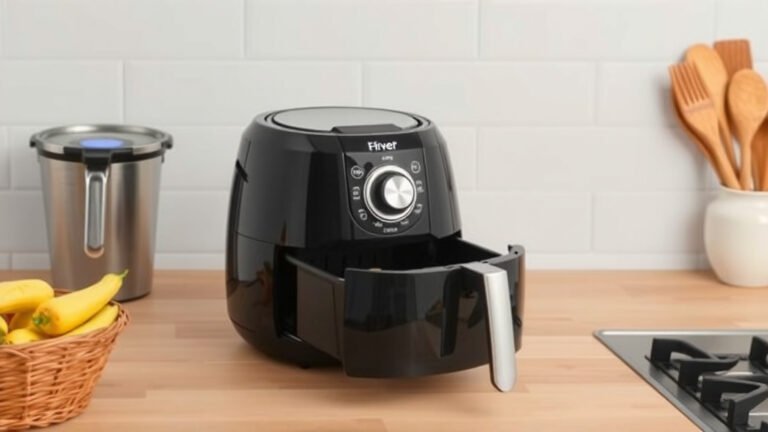
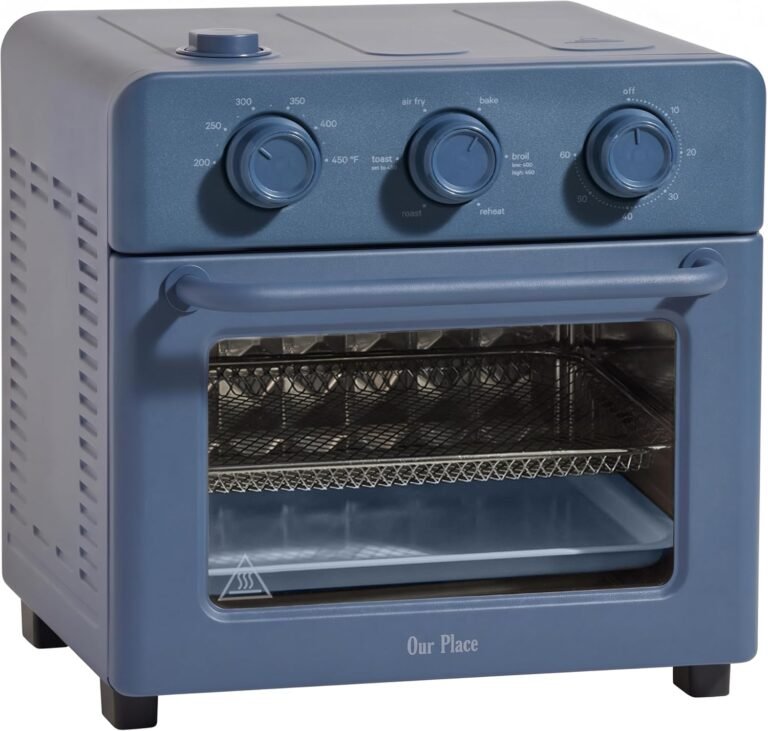
An air fryer is basically a compact convection oven. A powerful fan blows hot air around the food at high speed. This rapid circulation removes surface moisture, which allows the chicken to crisp up without sitting in oil.
You only need a light spritz of oil, or in some cases none at all. The crust forms from the chicken’s natural fats and the coating you use. It’s a clever trick, but it’s not an exact copy of deep frying.
We found that air fryers work best when you flip the chicken halfway through cooking. That ensures even browning on all sides and helps the texture stay consistent.
Taste and Texture: The Real Difference Makers
Let’s be honest. You care about how this chicken tastes on your plate. Texture is the biggest divide between these two cooking styles, and it’s not even close.
The Deep Fryer Crust You Can’t Quite Replicate
Oil does something air just can’t do. It bathes the coating in fat, which creates that shattering, ultra-crispy shell. The crust gets blistered and craggy. It clings to the meat with a satisfying heaviness.
We found that deep-fried chicken also has a richer mouthfeel. The oil adds a savory roundness that makes the flavor feel more indulgent. If you’re chasing that fast-food copycat experience at home, the deep fryer wins this round on pure tradition.
Why the Coating Matters More Than the Machine
Your breading recipe decides a lot of the final texture. A coating with cornstarch gets extra crispy in both appliances. A buttermilk soak tenderizes the meat in either method. The fryer just amplifies whatever you bring to the table.
Air Fryer Chicken: Closer Than You’d Think
Air-fried chicken comes out crisp, but it’s a different kind of crisp. The crust is lighter and drier. Think of it more like a thin, crunchy shell that’s less greasy and more delicate.
Many people describe it as similar to rotisserie-style texture with a fried twist. The interior stays juicy and tender if you don’t overcook it. We found that the flavor of the chicken itself comes through more clearly because you’re not tasting heavy frying oil.
For wings, the air fryer is surprisingly strong. The skin renders its own fat and crisps up beautifully. For bone-in pieces like thighs and drumsticks, the results are genuinely impressive.
Health and Nutrition: What the Research Shows
This is the section where most people make their final call. The health gap between these two methods is substantial, and the research backs it up.
Deep-fried foods absorb oil while cooking. That extra oil packs in calories and fat quickly. A standard serving of deep-fried chicken can contain nearly double the fat of its air-fried counterpart (USDA FoodData Central comparisons).
Air frying slashes that fat content dramatically. You use about a teaspoon to a tablespoon of oil for a full batch. The result is a meal that fits more easily into a balanced diet.
Calories and Fat Content Compared
We found that swapping your cooking method can save you around 100 to 150 calories per serving. That adds up fast if you’re making fried chicken a weekly habit. The protein stays the same, but the fat load drops significantly.
Frequent consumption of deep-fried foods is linked to higher risks for heart disease and type 2 diabetes (Harvard T.H. Chan School of Public Health). Air frying doesn’t eliminate health risks entirely, but it’s a gentler option for your arteries.
What About Blood Pressure and Sodium?
Both methods rely on seasoning in your breading. The cooking style doesn’t change the salt content, so you still control the sodium. Your choice of oil matters too. Deep frying often uses reused oil at high heat, which can form harmful compounds over time (National Institutes of Health).
Time, Money, and Everyday Convenience
Let’s get practical. Your schedule is busy. Your kitchen space might be tight. These factors often matter as much as taste when you cook on a Tuesday night.
Cleanup and Keeping Your Kitchen Fresh
Deep fryers are messy. You deal with quarts of hot oil, splatters on your counters, and a lingering fried-food smell that sticks around for days. Draining and storing the oil adds another chore you might dread.
Air fryers win big on cleanup. The removable basket goes right in the dishwasher. The counter stays clean, and the odor fades quickly. You won’t need to open the windows or light a candle after cooking.
Cooking Time and Batch Sizes
Deep fryers cook in small batches fast. A basket of wings can be done in 10 to 12 minutes. But you can only cook a single layer at a time, which slows you down when feeding a crowd.
Air fryers take longer per batch, usually 20 to 30 minutes for chicken pieces. The trade-off is that you can walk away while it cooks. No standing over a pot of bubbling oil and watching the temperature gauge.
We found that air fryers are the clear winner for weeknight meals. Deep fryers shine when you’re making a big batch for game day or a party.
Cost of Entry and Long-Term Value
Your wallet plays a part in this decision. Both appliances come with upfront costs, plus the ongoing expense of oil.
A decent air fryer runs between $60 and $150. A quality deep fryer costs a similar amount, sometimes more. But the real cost difference hides in the oil.
Deep frying requires gallons of oil. You’ll change it after three to five uses, depending on how much you cook. That’s a recurring expense that adds up over a year.
| Factor | Air Fryer | Deep Fryer |
|---|---|---|
| Upfront cost | $60–$150 | $50–$200 |
| Oil cost per year | $10–$20 | $80–$150 |
| Electricity or fuel use | Lower | Higher (heating more oil) |
| Batch size | Small to medium | Medium to large |
| Cleanup time | 5–10 minutes | 20–30 minutes |
Air fryers also heat up faster and use less electricity overall. You’re not waiting for a giant pot of oil to reach temperature. That saves time and a little money on your utility bill.
Practical Cooking Tips for Both Methods
No matter which appliance you choose, a few simple tricks elevate your chicken from good to great. We gathered these tips from common kitchen wisdom and consistent testing.
- Pat the chicken dry before coating. Moisture is the enemy of crispiness.
- Let your breaded chicken rest for 10 minutes before cooking. The coating adheres better.
- Don’t overcrowd the basket or the fryer. Air and oil need room to move around each piece.
- Check the internal temperature with a meat thermometer. You want 165°F in the thickest part (USDA).
- Flip or turn the chicken halfway through cooking for even browning on all sides.
- Season the chicken directly, not just the flour. The flavor needs to reach the meat.
Best Chicken Cuts for Air Frying
Boneless thighs and wings perform best in an air fryer. They cook relatively quickly and stay moist. Chicken breasts can dry out if you’re not careful, so stick to smaller, thinner cuts or pound them flat first.
Best Chicken Cuts for Deep Frying
Deep fryers handle bone-in pieces beautifully. The vigorous oil circulation helps cook dark meat evenly. Whole legs, thighs, and thick drumsticks deliver that classic Southern-style crunch without drying out internally.
Safety First: What Could Go Wrong
Hot oil is no joke. Splashes cause serious burns, and unattended fryers can start kitchen fires. You need to be careful and stay near the appliance while it’s running.
Air fryers run hot too, but the sealed cooking chamber reduces the risk of splatter burns. The exterior still gets warm, so keep it away from kids and pets. The handle on the basket stays cool on most models, which helps.
We found that air fryers are the safer choice for households with curious kids or busy cooks. Deep frying demands your full attention for the entire cooking window.
Dealing With the Oil Smell
That fried-food aroma clings to your hair, your clothes, and your curtains. Opening a window helps, but the smell lingers for hours. Air fryers produce a mild, pleasant roasted scent instead, and it dissipates quickly.
Which One Should You Actually Buy?
We’ve covered taste, cost, cleanup, and safety. Now it’s time to make a call. Your personal habits and priorities decide the winner here.
Choose the air fryer if you want crispy chicken most nights without the guilt or the mess. It’s ideal if you live alone, cook for two, or watch your calorie intake closely. It also works great for reheating leftovers and making sides like roasted vegetables.
Choose the deep fryer if you throw parties, feed a big family, or simply can’t imagine fried chicken without that heavy crust. It’s a specialty tool that excels at one job, but you’ll need storage space and patience for the cleanup.
We found that many home cooks eventually own both. But if you’re starting with one, the air fryer gives you more versatility for less hassle. It’s the practical pick for modern kitchens.
Conclusion
So, which one wins? For most home cooks, the air fryer is the smarter everyday choice. You get crispy chicken with a fraction of the oil, way less mess, and zero lingering grease smell. That’s a huge win for your health and your sanity.
But if you live for that heavy, shattering crust and deep-fried flavor, a deep fryer still holds the crown for special occasions. The real takeaway? Your kitchen habits, health goals, and patience for cleanup should guide your purchase.
Start with an air fryer if you don’t own one yet. It’s the most versatile, practical tool for getting your fried chicken fix without the guilt. You can always add a deep fryer later for big game-day batches. Either way, you’re about to make some seriously good chicken at home.
Frequently Asked Questions
Can I use my regular chicken recipe in an air fryer?
Yes, but you’ll want to tweak it slightly. Try lowering the heat to around 375°F and start checking for doneness earlier than your deep fryer recipe suggests. The cooking time is longer in an air fryer, usually about 20 to 25 minutes. Your favorite breading will still work, but you might need to lightly spray the coated chicken with oil to help it crisp up properly.
Is air-fried chicken actually healthier than deep-fried chicken?
Yes, the difference is dramatic. Air-fried chicken absorbs a tiny fraction of the oil that traditional frying does. We found that can cut the fat content by around 70 to 80 percent. This means fewer calories per serving, plus no risk of consuming degraded oil from repeated deep frying. It’s a much lighter meal while still giving you that satisfying crunch.
Do I need to preheat my air fryer before adding the chicken?
You absolutely should. Preheating ensures the cooking chamber is hot enough to start crisping the coating immediately. When the air fryer isn’t hot, the coating can turn soggy before the crust forms. Most air fryers have a preheat function that takes just a few minutes. Wait for the indicator light before you load the basket.
Why isn’t my air-fried chicken as crispy as deep-fried?
It often comes down to oil and technique. Air-fried crusts are lighter and drier by nature, but you can improve them. Brush or spray your breaded chicken with a thin layer of oil before cooking. Also, avoid crowding the basket. You need room for hot air to circulate each piece, so cook in smaller batches for the best crunch.
What kind of oil should I use for the best results?
For the air fryer, use an oil with a high smoke point, like canola, avocado, or grapeseed. These oils handle high heat without burning or smoking. For deep frying, the same rule applies. Peanut oil is a classic favorite for fried chicken because of its neutral flavor and high heat tolerance. Stay away from olive oil for deep frying since it burns too easily.