Air Fryer vs Combination Microwave: Which to Buy
If you want faster cooking and crispy results, an air fryer is the winner for most people. But a combination microwave is the better choice if you need to reheat leftovers, defrost food, and bake in one appliance. The real difference comes down to how you cook and what you value most in your kitchen.
We found that both appliances save time and energy compared to a traditional oven. Air fryers use rapid hot air to crisp up food with very little oil. Combination microwaves pair standard microwave cooking with a grill or convection fan. This makes them a versatile two-in-one tool, but they usually cost more and take up more counter space.
- Air fryers excel at making food crispy, like fries, chicken, and veggies.
- Combination microwaves are unbeatable for reheating and defrosting in minutes.
- Air fryers are cheaper to buy and simpler to use.
- Combination microwaves replace two appliances but have a bigger footprint.
- Your final choice depends on your cooking habits, kitchen space, and budget.
Below, we break down the key differences in cooking performance, ease of use, and cost, so you can pick the right one for your kitchen.
Air Fryer vs Combination Microwave: The Real-World Cooking Test
You probably want to know which one earns its spot on your counter. We found that most home cooks choose an air fryer for chicken, fries, and vegetables. They pick a combination microwave when reheating leftovers and defrosting meat matter more.
Let’s walk through how each appliance handles everyday meals. You will see the strengths and weak spots of both options.
What Each Appliance Does Best
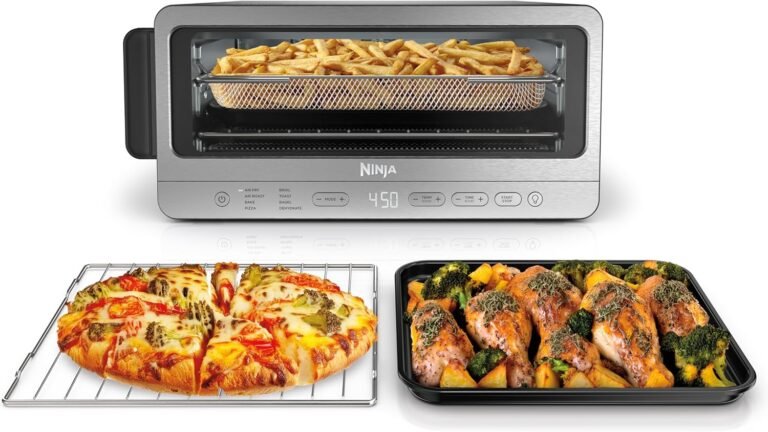
An air fryer is basically a small convection oven with a powerful fan. It moves hot air around food at high speed. This creates that golden, crispy exterior you love, using almost no oil.
A combination microwave works differently. It can use standard microwave energy to heat food fast. It also has a grill element and a convection fan for baking and roasting. Think of it as three appliances stuffed into one box.
The Cooking Performance Breakdown
We found that air fryers crush it when it comes to texture. That crispy crunch is hard to beat. Combination microwaves get food hot, but they struggle to match that same crunch factor.
However, combination microwaves shine when you need speed. Reheating soup or defrosting chicken takes minutes, not the time an air fryer needs.
Air Fryer: The Crispy Champion
You drop in frozen fries, set the timer, and get restaurant-style results. The rapid air circulation pulls moisture from the surface. This leaves a crunchy shell and a tender inside.
We found that chicken wings and breaded shrimp turn out fantastic. Even roasted vegetables get caramelized edges in about 15 minutes.
Combination Microwave: The Speedy All-Rounder
Defrosting ground beef takes about 6 minutes. Reheating leftover pasta keeps it moist without turning it rubbery. These are everyday tasks that an air fryer simply cannot do well.
When you switch on the convection mode, it can roast a whole chicken. But it takes longer than a standard microwave and does not crisp as well as an air fryer.
Counter Space and Kitchen Layout
Kitchen real estate matters more than you think. We found that air fryers usually take up less counter space. They are also easier to move and store when not in use.
Combination microwaves are bulky. They measure like a regular microwave oven, sometimes larger. You need a dedicated spot because they are heavy to lift and awkward to store.
If you already have a standard microwave, an air fryer is the smarter add-on. If you plan to replace your microwave anyway, a combo unit saves you from owning two gadgets.
Size and Capacity Comparisons
Air fryers come in many sizes, from tiny 2-quart models to family-size 6-quart baskets. Most fit a single layer of food, which is best for crispy results.
Combination microwaves offer more interior volume. You can fit a casserole dish or a whole chicken inside. That extra space makes them better for feeding a crowd.
| Feature | Air Fryer | Combination Microwave |
|---|---|---|
| Counter footprint | Small to medium | Large |
| Typical capacity | 2 to 6 quarts | 20 to 30 liters |
| Best for | Singles and couples | Families |
| Portability | Easy to move | Stays put |
Energy Use and Operating Costs
Both appliances save energy compared to a big oven. We found that an air fryer preheats fast and cooks quickly. Most recipes finish in under 20 minutes, keeping electricity bills low.
Combination microwaves are also efficient for reheating. Standard microwave mode uses less energy than any oven. The convection and grill modes use more power but still beat a full-size oven.
Research and found data show that air fryer cooking reduces cooking time by about 20 percent compared to traditional ovens (Cleveland Clinic). That means less energy wasted on heating a large empty space.
Which One Saves You More Money?
Air fryers win on upfront price. You can grab a solid model for under 80 dollars. Good combination microwaves start around 150 dollars and go way up from there.
But a combo microwave replaces two appliances. You skip the cost of buying a separate air fryer and microwave. That changes the math for some buyers.
Ease of Cleaning and Maintenance
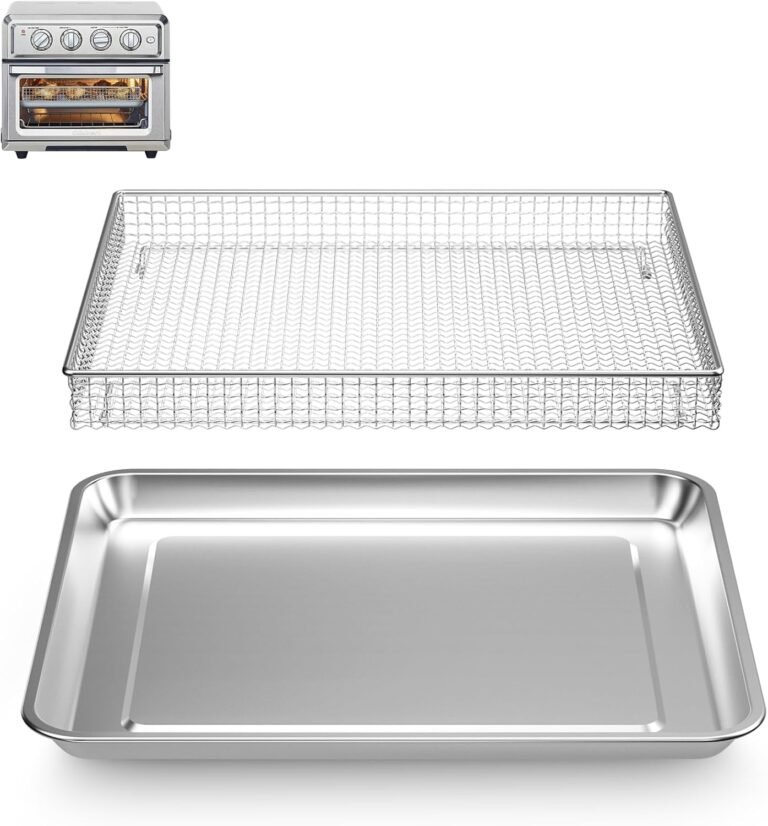
Nobody enjoys scrubbing grease. We found that air fryer baskets and trays are dishwasher safe. That makes cleanup pretty simple, even after cooking chicken wings.
Combination microwaves need more attention. Splatters inside the cavity harden after grilling. You have to wipe them down quickly to avoid stubborn stains.
The grill element also collects drips over time. Cleaning it requires care and some patience. If you hate kitchen chores, this is a real downside.
Daily Cleaning Habits
With an air fryer, just pull out the basket and toss it in the dishwasher. Wipe the heating coil occasionally, and you are done.
For a combo microwave, wipe the interior after each use. Check the turntable plate and grease filter regularly. Many experts say this simple habit prevents buildup and smells (USDA Food Safety guidelines suggest keeping appliances clean to avoid bacterial growth).
What About Taste and Texture
We found that food texture is the biggest deal-breaker for most people. Air fryers deliver that satisfying crunch. It feels like fried food without the guilt.
Combination microwaves produce softer results. They reheat pizza into a chewy slice, not a crispy one. The grill mode helps, but it does not match the moving air of a fryer.
If you love roasted nuts, crispy chickpeas, or crunchy tofu, get the air fryer. If you mostly want hot meals in a hurry, the combo microwave wins.
Heating Evenness
Air fryers circulate hot air constantly. This ensures even browning on all sides. You rarely find cold spots inside the basket.
Combination microwaves can cook unevenly in microwave mode. The convection fan helps, but you still may need to rotate dishes halfway through.
Which One Fits Your Cooking Style
Take a close look at how you cook each week. We found that people who meal prep prefer combination microwaves. Reheating pre-cooked meals quickly keeps their routine smooth.
People who like cooking fresh meals from scratch love air fryers. You can make everything from salmon fillets to baked potatoes with excellent results.
Consider your biggest kitchen pain point. Is it dinner taking too long on busy nights? A combo microwave offers speed. Is it boring, soggy leftovers? An air fryer fixes that instantly.
Quick Checklist for Your Choice
Answer these questions honestly to pick the right appliance. The checklist helps you match the device to your daily habits.
- Do you reheat leftovers daily? If yes, the combination microwave is a stronger choice.
- Do you crave crispy food often? The air fryer delivers texture no microwave can match.
- Is your counter space limited? Air fryers are smaller and easier to tuck away.
- Do you need to defrost meat regularly? Combination microwaves do this in minutes, safely.
- Are you on a budget? Air fryers cost much less for the same cooking quality.
- Do you want to replace an old microwave? Then a combo unit gives you two features in one slot.
Final Thoughts on Making the Switch
Change is hard, but upgrading your kitchen does not have to be. Start small with a budget air fryer if you want crispiness. Choose a combination microwave if reheating speed matters most.
Many households eventually own both. But if you must pick one, let your weekly routine decide. That honest look at how you cook will point you in the right direction.
Conclusion
You now have a clear picture of what each appliance does best. If crispy textures and quick fresh meals are your priority, grab an air fryer. If you need speed for reheating and defrosting, the combination microwave is your best bet.
We found that most kitchens benefit from one of these tools, not both. You will save space and money by choosing based on your real cooking habits. Think about your busiest weeknight and what you actually eat. That single thought will point you to the right purchase. Start with your biggest pain point, and you can’t go wrong.
Frequently Asked Questions
Can you use an air fryer to reheat leftovers?
Yes, you can, but it takes longer than a microwave. You get a much better texture, especially for pizza and fried chicken. The trade-off is time for quality. You will wait 5 to 10 minutes instead of 60 seconds.
Is a combination microwave good for baking cakes?
Yes, the convection mode works like a small fan oven. Cakes bake evenly and rise well when you set the right temperature. You should test your recipes to adjust for hot spots. It is a great option if you have no room for a separate oven.
Which appliance uses less electricity?
Both are efficient compared to a full-size oven. The air fryer tends to use less power because it cooks smaller portions quickly. The combination microwave uses very little energy in standard microwave mode. Your daily usage will decide which saves you more money.
Do air fryers make food taste like deep-fried food?
They get very close, but not exactly the same. You get a crispy exterior with a fraction of the oil. The texture is crunchy, and the inside stays moist. Most people find the results satisfying enough to skip the fryer.
Can a combination microwave replace both my microwave and air fryer?
It can replace your microwave completely and handle some air fryer tasks. The crisp results are not as good as a dedicated air fryer. You will get decent roasted chicken and vegetables, but fries may turn out softer. If counter space is tight, this trade-off is worth it.