Air Fryer Safety Precautions: 10 Crucial Tips
Yes, air fryers are generally safe to use, but you absolutely must follow key air fryer safety precautions to prevent fires and burns. The most critical rule is to never overcrowd the basket and to always keep it clear of the hot heating element. We found that most accidents happen from simple mistakes like overfilling or placing the appliance too close to a wall.
These handy countertop gadgets work like small convection ovens, and they get very hot. That means you need to treat them with the same respect you would a full-size oven. Many experts say that misuse and lack of cleaning are the top reasons for kitchen mishaps involving fryers.
- Always place your air fryer on a flat, heat-safe surface.
- Never overfill the basket; leave room for hot air to circulate.
- Shake the basket gently to avoid splattering hot oil or food.
- Clean the basket and drawer after every single use.
- Never immerse the main unit or power cord in water.
Up next, we’re going to walk you through the most important do’s and don’ts to keep your kitchen safe and your food crispy. Let’s get into the smart habits that make air frying a total breeze.
Smart Air Fryer Safety Habits You Should Start Today
We found that a little planning goes a long way. You do not need a culinary degree to use an air fryer safely. You just need a few reliable habits and a clear head.
Think of your air fryer like a tireless mini oven. It gets seriously hot inside and out. Respect that heat, and you will enjoy crispy food without stress. Let us break down the simple rules that matter most.
Where You Place Your Air Fryer Matters More Than You Think
Your countertop setup plays a huge role in safety. We found that most heat damage happens because the fryer sits too close to a wall or cabinet.
Keep at least five inches of open space on all sides. The vent blows out hot air. That air needs room to escape. Blocked vents can cause the unit to overheat or even melt nearby plastic.
- Choose a sturdy, flat surface like a granite counter or butcher block.
- Never set your air fryer on a stove, towel, or cutting board.
- Keep the cord away from the hot exterior while cooking.
- Do not store items on top of the fryer, even when it is off.
Many guidelines point to clear spacing as the top prevention tip (National Fire Protection Association). Give your fryer some breathing room.
Why Heat-Safe Surfaces Are Non-Negotiable
Your countertop might look tough, but heat can mark it. A silicone mat or a trivet adds a layer of protection. You will also avoid ugly scorch marks that ruin a nice kitchen.
Glass and ceramic surfaces can crack under sudden heat. Place a barrier between the fryer and the surface. It is a small step that saves you a big headache.
Loading the Basket the Right Way
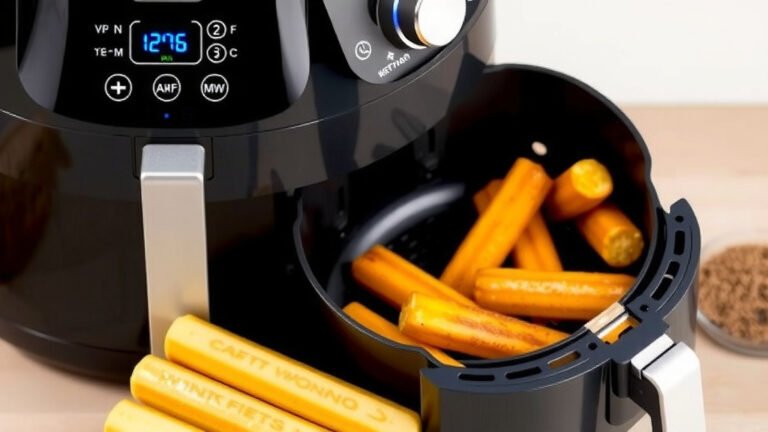
You might be tempted to pile in the fries or chicken wings. We get it. But overcrowding blocks airflow, which leads to uneven cooking and dangerous grease splatter.
Your air fryer needs hot air to move freely. Fill the basket only halfway or two-thirds full. That extra space is not wasted; it is where the magic happens.
Research and found that proper airflow reduces the risk of flare-ups (USDA Food Safety and Inspection Service). Less food means faster cooking and crispier results.
The Overcrowding Trap and How to Avoid It
When you stuff the basket, food traps moisture. That moisture turns to steam. Steam makes food soggy and can push grease toward the heating coil.
Cooking in batches is your best friend. Yes, it takes a few extra minutes. But you will get better texture and avoid a smoky kitchen. We found that batching also keeps the temperature steady.
Use a meat thermometer for thick cuts. That way, you do not have to open the basket repeatedly and lose heat.
Grease and Oil Splatter Prevention
Too much oil is a common mistake. You only need a light spray or a brush of oil. Excess oil pools at the bottom and splatters when you shake the basket.
Pat food dry before adding oil. Wet food causes popping and splashing. Dry surfaces help oil stick better and reduce mess.
Cleaning Your Air Fryer After Every Single Use
Grease buildup is the number one cause of smoke and bad smells. We found that a quick clean prevents most problems. It takes less than five minutes.
Unplug the fryer and let it cool completely. Then remove the basket and drawer. Wash them with warm, soapy water. A soft sponge works best for the nonstick coating.
| Part | How to Clean It | How Often |
|---|---|---|
| Basket and drawer | Hand wash with warm soapy water | After every use |
| Heating coil area | Wipe with a damp cloth (dry brush for crumbs) | Once a week |
| Exterior and vent | Damp cloth, no abrasive cleaners | As needed |
| Inside the main unit | Do not submerge; wipe gently | Only if visible buildup |
Never submerge the base unit in water. The heating element and fan can get damaged. That is not just a repair cost; it is an electrical hazard.
Dealing with Stuck-On Grease and Residue
Leftover bits can burn on the next run. That produces acrid smoke and off-flavors. Soak the basket in hot, soapy water for ten minutes. Then scrub gently.
Baking soda works well if the residue is stubborn. Make a paste with a little water and scrub with a soft brush. Rinse thoroughly and dry completely before reinserting.
Do not use steel wool or harsh chemicals. They scratch the coating and expose bare metal. Scratched surfaces trap more food and grease over time.
Electrical and Cord Safety You Cannot Ignore
Your air fryer draws a decent amount of power. Plug it directly into a wall outlet. Avoid extension cords and power strips, which can overheat.
Check the cord for fraying or damage before each use. A damaged cord is a fire waiting to happen. Many experts say that electrical failures are a leading cause of small appliance fires (Consumer Product Safety Commission).
Make sure your hands are dry when you plug or unplug the unit. Water near outlets is never a good idea. Keep the countertop area dry near the base.
Signs Your Air Fryer Needs a Break
If you smell burning plastic or see sparks, stop immediately. Unplug the fryer and let it cool. Do not turn it back on until you figure out the problem.
Unusual smoke beyond the first few uses is a red flag. That could mean food debris on the coil or a mechanical issue. Give it a full clean and test again with an empty basket.
Loud rattling or grinding noises are not normal. Loose parts or a faulty fan need attention. Contact the manufacturer for guidance rather than trying to fix it yourself.
Safe Handling When Food Is Done
The basket and the exterior get extremely hot. We found that most minor burns happen when people grab the hot handle too fast. Use a dry oven mitt or silicone glove every time.
Rest the basket on a heat-resistant trivet, not directly on your counter. Metal surfaces hold heat for a while. Keep children and pets away from the area until it cools.
When shaking the basket, do it gently and away from your body. Hot oil can splash. A quick, controlled shake is safer than a vigorous toss.
Simple Air Fryer Safety Checklist
Keep this list handy near your appliance. A quick review before you cook can prevent most accidents.
- Place on a flat, heat-safe surface with clear space on all sides.
- Fill the basket no more than halfway to allow proper airflow.
- Pat food dry and use only light oil to reduce splatter.
- Never submerge the main unit or rinse it under a tap.
- Clean the basket and drawer completely after each meal.
- Plug directly into a wall outlet and inspect the cord regularly.
What to Do in Case of a Grease Fire
Stay calm. Do not throw water on a grease fire. Water makes the fire spread and can cause serious injury. Turn off the appliance if possible.
If the fire is small and contained, use baking soda to smother it. You can also put a lid on the basket if the fire is inside the unit. Never use a wet towel or flour, as both can make things worse.
If the fire grows or you feel unsafe, leave the kitchen and call 911. Your safety matters more than the appliance. It is best to keep a fire extinguisher nearby for extra peace of mind.
Remember that prevention is your best defense. Regular cleaning and smart placement reduce the chance of a flare-up dramatically.
Conclusion
Air fryer safety really comes down to common sense and a few consistent habits. You now know that placement, proper loading, and regular cleaning are the top ways to avoid fires and burns. We covered why overheating happens and how to prevent grease flare-ups.
Keep your countertop clear, your basket clean, and your oil light. Do not skip the cord check and always use a dry oven mitt. You do not need to be a chef to be safe.
Your next step is simple: go clean your air fryer basket right now and pick a spot on your counter with at least five inches of clearance. Set up your space for safety, and you are ready to cook with total confidence.
Frequently Asked Questions
Can you put parchment paper in an air fryer?
Yes, you can use parchment paper, but only if it is specifically rated for air fryers. Keep it weighed down with food so it does not blow into the heating element. Never use regular wax paper, as it will melt or burn.
Is it safe to leave an air fryer plugged in when not in use?
It is much safer to unplug the unit when you are done cooking. Leaving it plugged in carries a small risk of electrical surges or accidental activation. Research and found that unplugging small appliances is a solid habit to prevent standby power issues.
How long should you wait before cleaning an air fryer after cooking?
You should wait about 30 minutes for the unit to cool down completely. Cleaning a hot basket can warp the metal or cause steam burns. A cool basket is safer to handle and much easier to wash.
What is the best way to clean the air fryer heating coil?
Turn the unit upside down and gently brush off loose crumbs with a dry pastry brush. Use a damp cloth to wipe away visible grease, but do not use liquid directly on the coil. Make sure it is completely dry before using the fryer again.
Can you put metal utensils or metal baskets in the dishwasher?
Check your manual, but most nonstick baskets are not dishwasher safe. High heat and harsh detergents wear down the coating quickly. Hand washing with warm, soapy water is always the safest choice to keep the surface intact.